



You are here:

Nuclear

Protecting Power Where Failure Is Not an Option

In nuclear power plants, reliability is not optional.
A failure in non-nuclear electrical infrastructure can directly impact nuclear availability, safety and regulatory compliance.

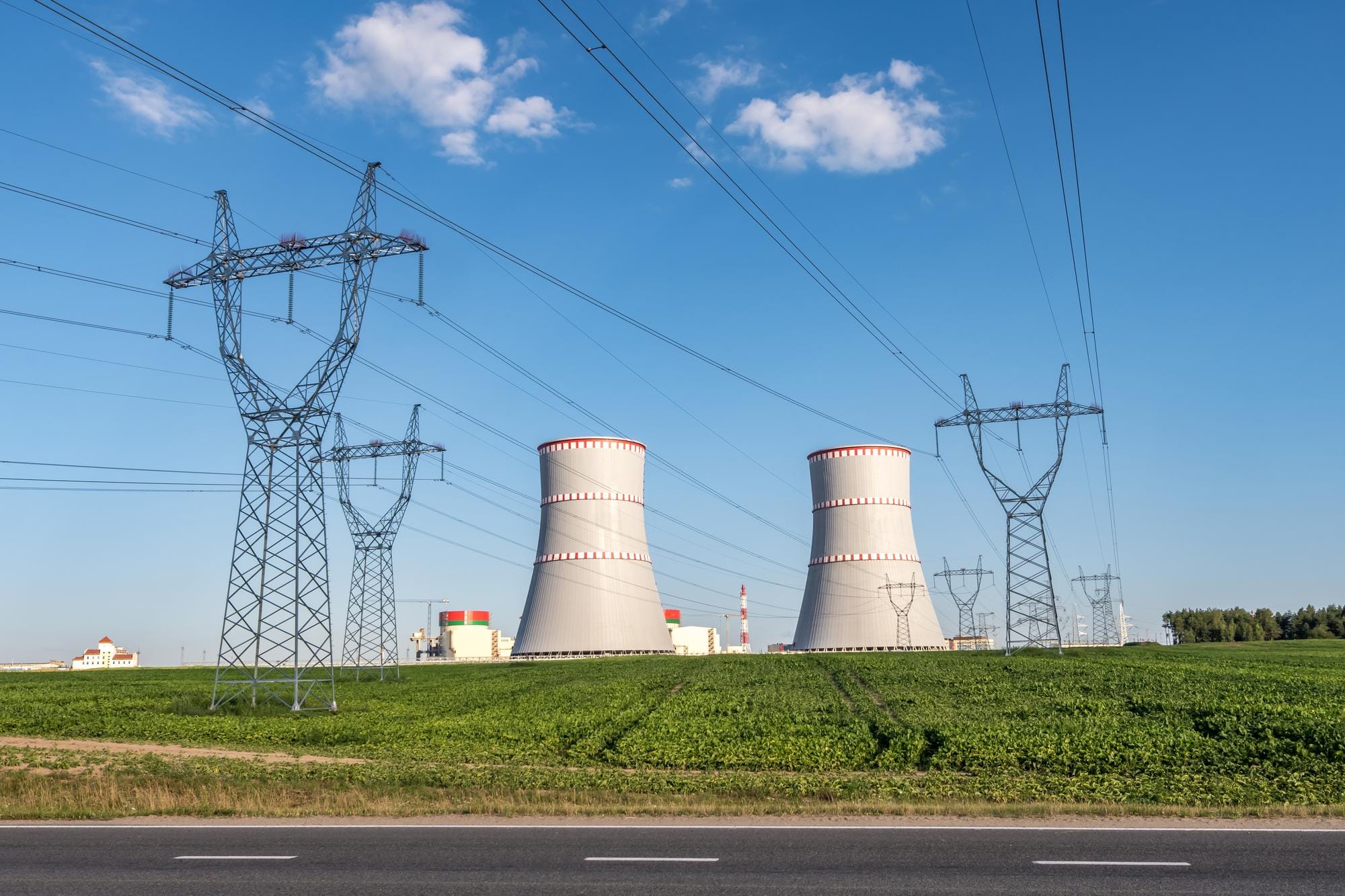
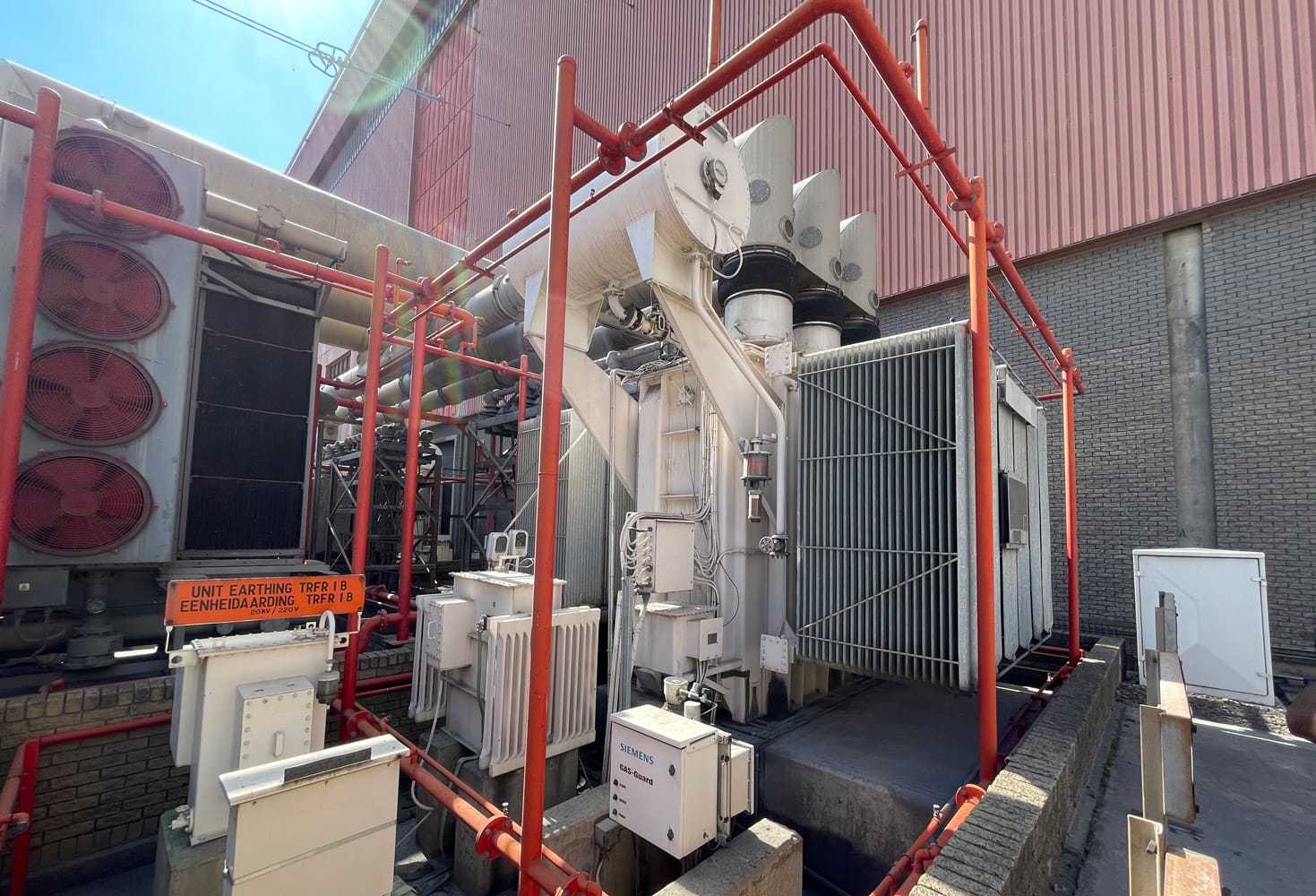
Nuclear power plants rely on a limited number of large, bespoke power transformers to ensure continuous operation.
Although located outside the nuclear island, these assets represent a critical point of vulnerability: their failure can force reactor shutdowns, extended outages and heightened regulatory scrutiny.

Why Nuclear Is Unique

Highest Safety Standards

Nuclear facilities operate under the most stringent regulatory frameworks worldwide, combining safety, redundancy, risk management and continuous oversight.

High Voltage Transmission Networks

Nuclear plants depend on high-voltage transmission networks and large power transformers to evacuate power safely. These assets are often aging, custom-built and require months to replace.

Risks and Failure Modes

In nuclear environments, electrical failures do not remain purely technical events — they can escalate into availability, safety and regulatory crises, making rapid containment of failure essential.

Highest Safety Standards

Nuclear plants operate under regional and transnational regulations, safeguards, risk-management and redundancy.
Critical Equipment

Large power transformers in nuclear stations are custom-built, their average age exceeds 40 years, and difficulty of sourcing replacement is critical.
Operational Consequences

Electrical incidents affecting power supply can lead to automatic reactor shutdowns and prolonged unavailability. While not creating radiological risk, such events carry significant operational and regulatory consequences for nuclear facilities.
Further technical insight

For a detailed analysis of transformer-related failure scenarios in nuclear environments, including regulatory and operational implications, please refer to our dedicated nuclear insight.

Why Nuclear Is Unique

In nuclear contexts, compliance extends beyond standards — it is a condition of continued operation.

Internal Fault

Failure in bushings or tap changers can initiate an electrical arc.

Tank Rupture

Rupture of the transformer tank, releasing a fireball that ignites hot oil.

Step-down Transformers

Step-down transformers lower voltage at regional, commercial & residential scale.

SERGI’s Approach for Nuclear

In nuclear environments, protection strategies must address non-nuclear failure modes capable of producing nuclear-level consequences.
SERGI develops passive mechanical systems designed to rapidly relieve internal transformer pressure, limiting escalation and supporting nuclear availability objectives.

These systems operate independently of external power, control logic or digital interfaces, aligning with nuclear safety and defense-in-depth principles.

Operational Evidence

Operational experience has shown that rapid mechanical depressurization can confine transformer failure effects, avoiding extended nuclear outages and structural damage.

In nuclear power generation, non-nuclear electrical failures can have nuclear-level consequences.
Understanding and addressing these vulnerabilities is essential to maintaining availability, safety and regulatory confidence.