



You are here:

Oil & Gas

Securing Energy in Explosive Environments

From offshore platforms to onshore terminals, a single electrical fault can immediately compromise safety, production continuity and asset integrity.

The petroleum sector encompasses production, transport, refining and storage — often within ATEX and IECEx classified zones.
In these environments, a single internal electrical fault can act as an ignition source, triggering fire or explosion within milliseconds.
The large power transformers required are custom-built, difficult to replace, and central to operational continuity.

The Sectors of Oil & Gas

While operational contexts differ across upstream, midstream and downstream activities, the underlying electrical risk mechanisms remain the same.

Upstream

Onshore platforms, FPSOs, drilling sites. Pressurized switchgear rooms prevent ignition in hazardous zones. Electrical faults in confined or offshore environments leave no margin for delayed response.
Midstream

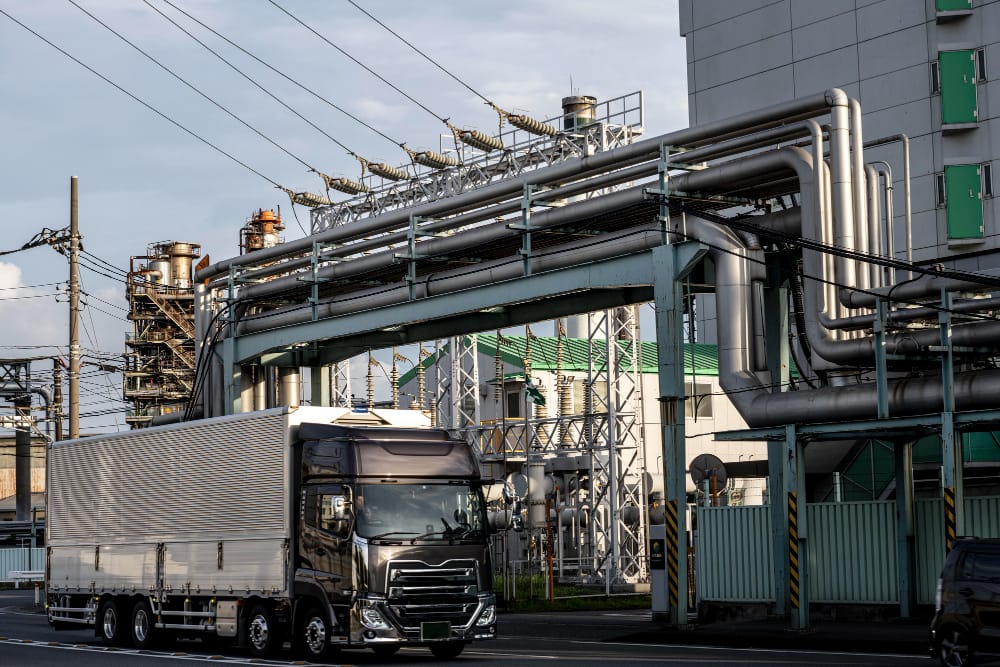
High-voltage transformers power compression, pumping and loading systems, where failures can rapidly escalate across interconnected assets.
Downstream

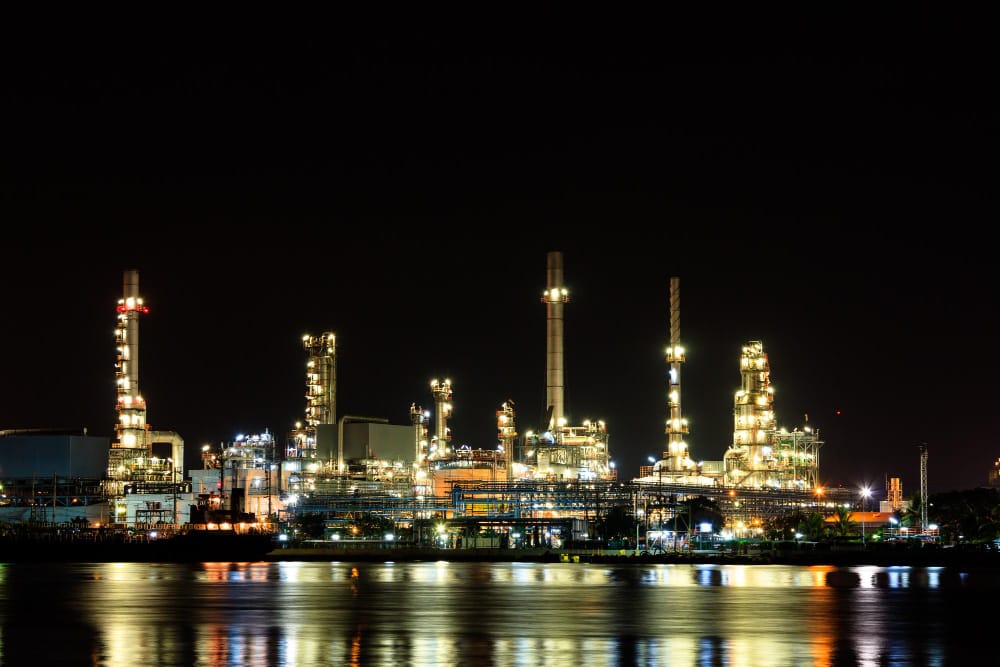
Refineries and petrochemical complexes. Complex electrical networks feed process units and safety systems. Dense electrical layouts increase the potential for fault propagation and ignition in process areas.
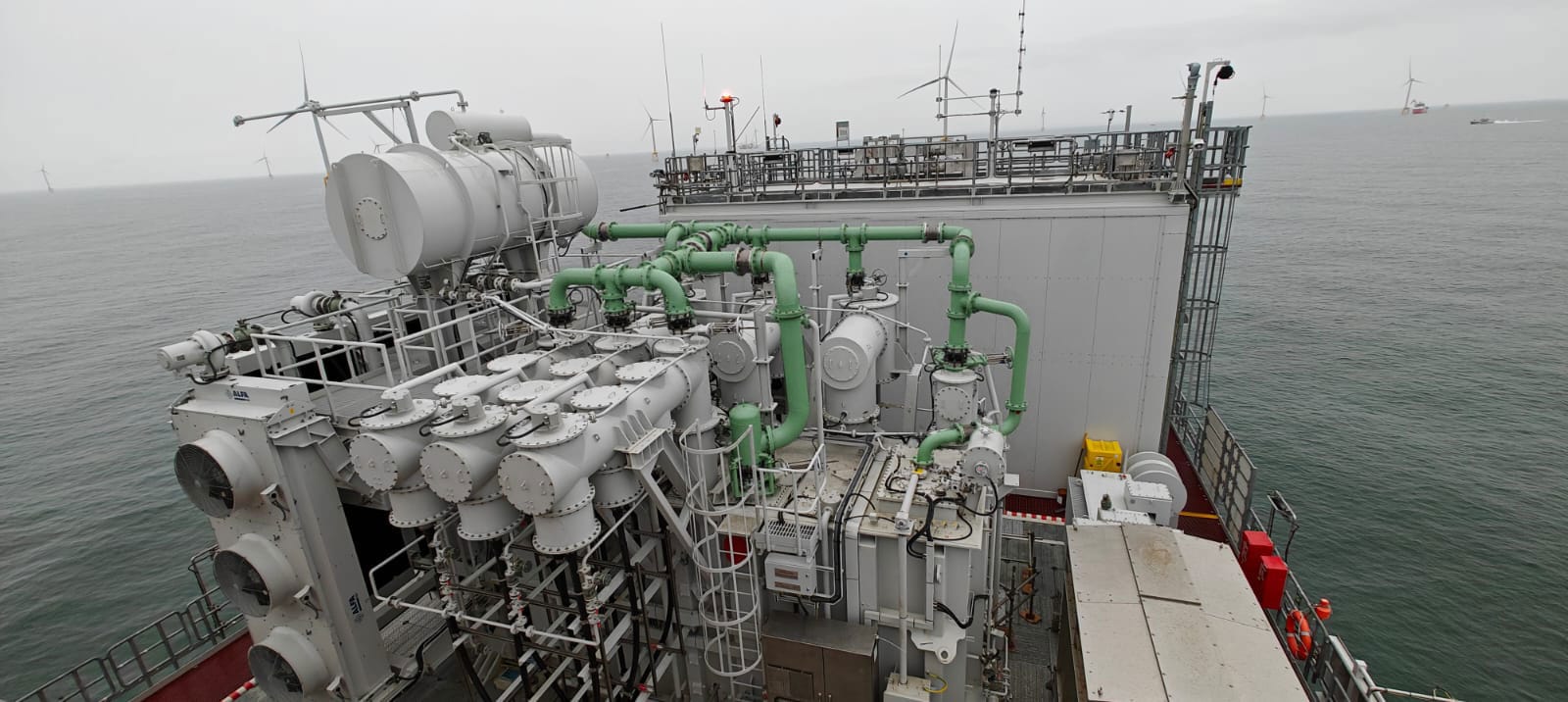

Hazards and Failure Modes

In oil and gas installations, electrical faults can escalate faster than conventional protection systems can react, making early containment essential.

Internal Fault

Internal transformer faults can generate high-energy arcs capable of igniting explosive atmospheres.

38–40 Years

An aging transformer fleet increases the probability of internal faults under severe operating conditions.

ATEX & IECEx

Safety guidelines for explosive atmospheres. Electrical equipment must prevent ignition sources. Ignition prevention depends on controlling fault energy and pressure release at the source.

NFPA 850

Guidance for electrical equipment in hazardous locations, including fire and explosion mitigation.

IEC / IEEE

SERGI designs meet international standards for electrical and mechanical safety in industrial and hazardous environments.

In oil and gas operations, electrical faults can become ignition events within milliseconds.
Managing these risks requires protection strategies focused on the very first moments of failure.