



- Home
- Solutions & Engineering
- Resilience Accessories
Resilience Accessories
Complementary Components for Consequence Control, Detection and Recovery
Accessories do not replace the core protection architecture. They address selected fire, oil-flow, detection, alarm and recovery functions within a layered site strategy.
Protecting critical infrastructure does not rely on a single device. It requires layers of prevention, mitigation and consequence control, engineered to work together.
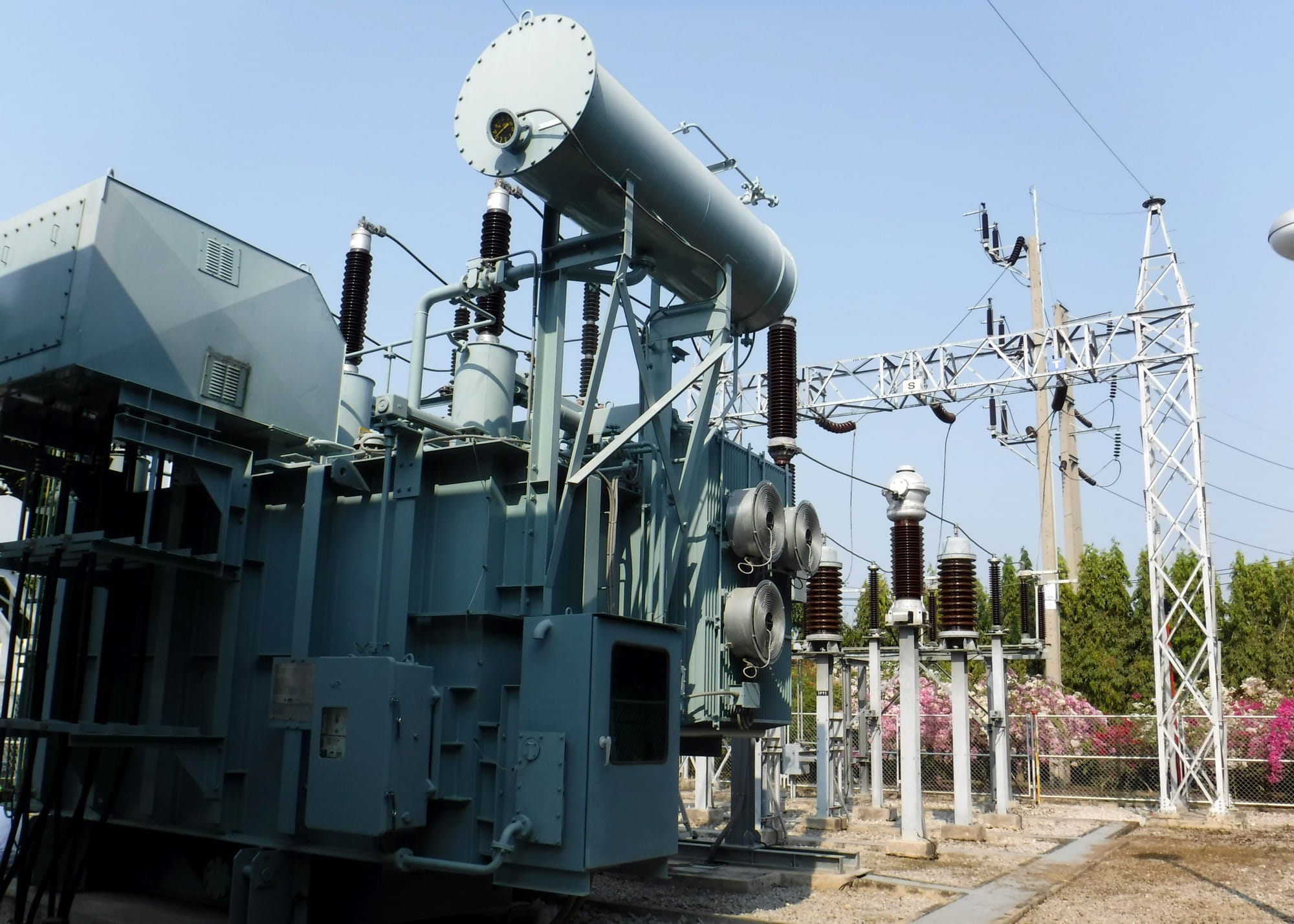
Beyond Core Protection Systems
Core systems such as fast depressurization and mechanical last-line defenses address the most critical failure modes.
However, site-specific risks, environmental constraints and operational requirements often require additional measures:
- Limit fire escalation
- Reduce environmental impact
- Improve response time
- Support faster recovery
Accessories do not prevent catastrophic events. They protect these events from becoming uncontrollable.
Key principle
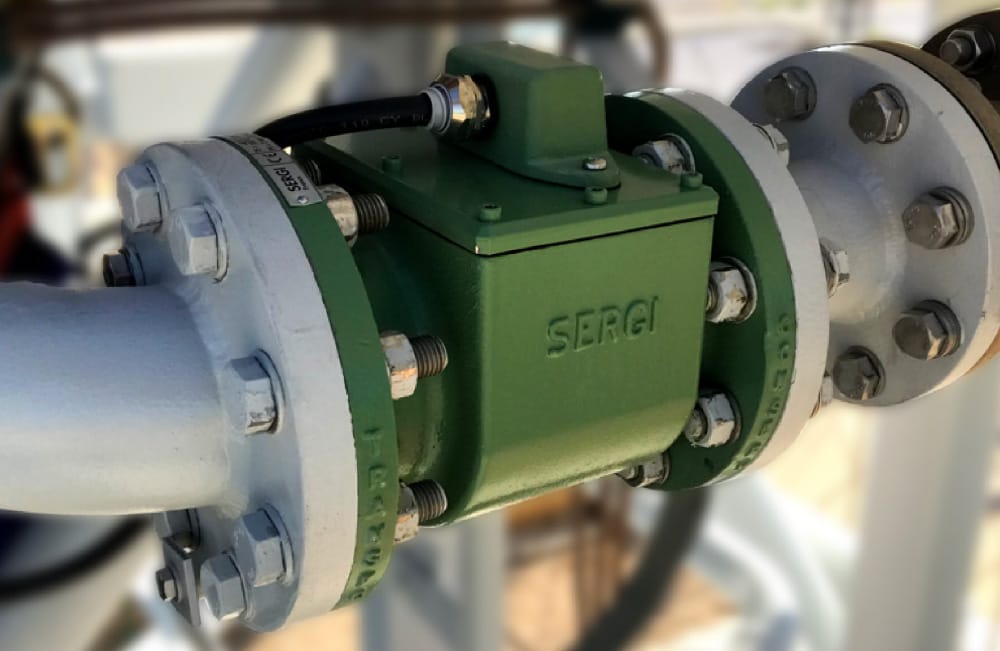
Conservator Shutter
A passive mechanical device designed to isolate oil flow from the conservator under defined abnormal-flow conditions, helping reduce additional oil feed after an incident.
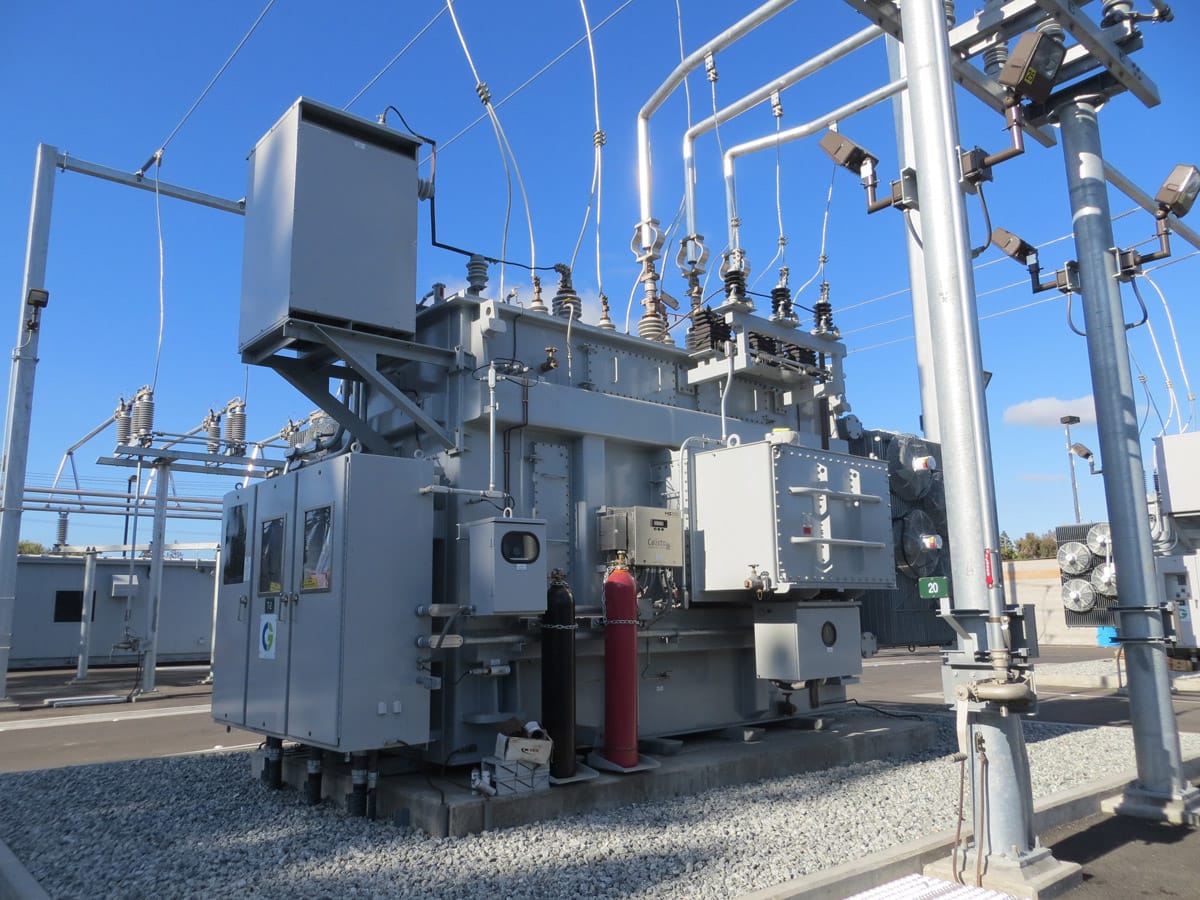
Automatic Fire Detection
Detection and alarm functions designed to identify fire conditions early and support operator response, fire-protection systems and emergency procedures.
How Accessories Are Qualified
Defined function and non-function
Transformer and site interfaces
Activation or detection basis
Applicable standards and environmental conditions
Inspection, maintenance and proof-test requirements
Residual risk and interaction with other protection layers
Scope and evidence boundary
This page describes engineering principles and documented evidence within defined configurations. Applicability depends on transformer topology, fault scenario, connected oil volumes, hydraulic impedance, protection clearing time, site constraints and project-specific engineering validation.
SERGI solutions complement electrical protection, monitoring, fire protection, cybersecurity, physical security, structural measures and recovery planning. They do not eliminate all risk or constitute a universal performance guarantee.