



- Home
- Solutions & Engineering
- Resilience Accessories
- Automatic Fire Detection
Automatic Fire Detection
Early Fire Detection and Response Enablement for Transformer Installations
Why Early Detection Matters
Early identification of heat, flame or fire conditions can reduce response time, support personnel safety and improve coordination with fire-protection and emergency-response systems.
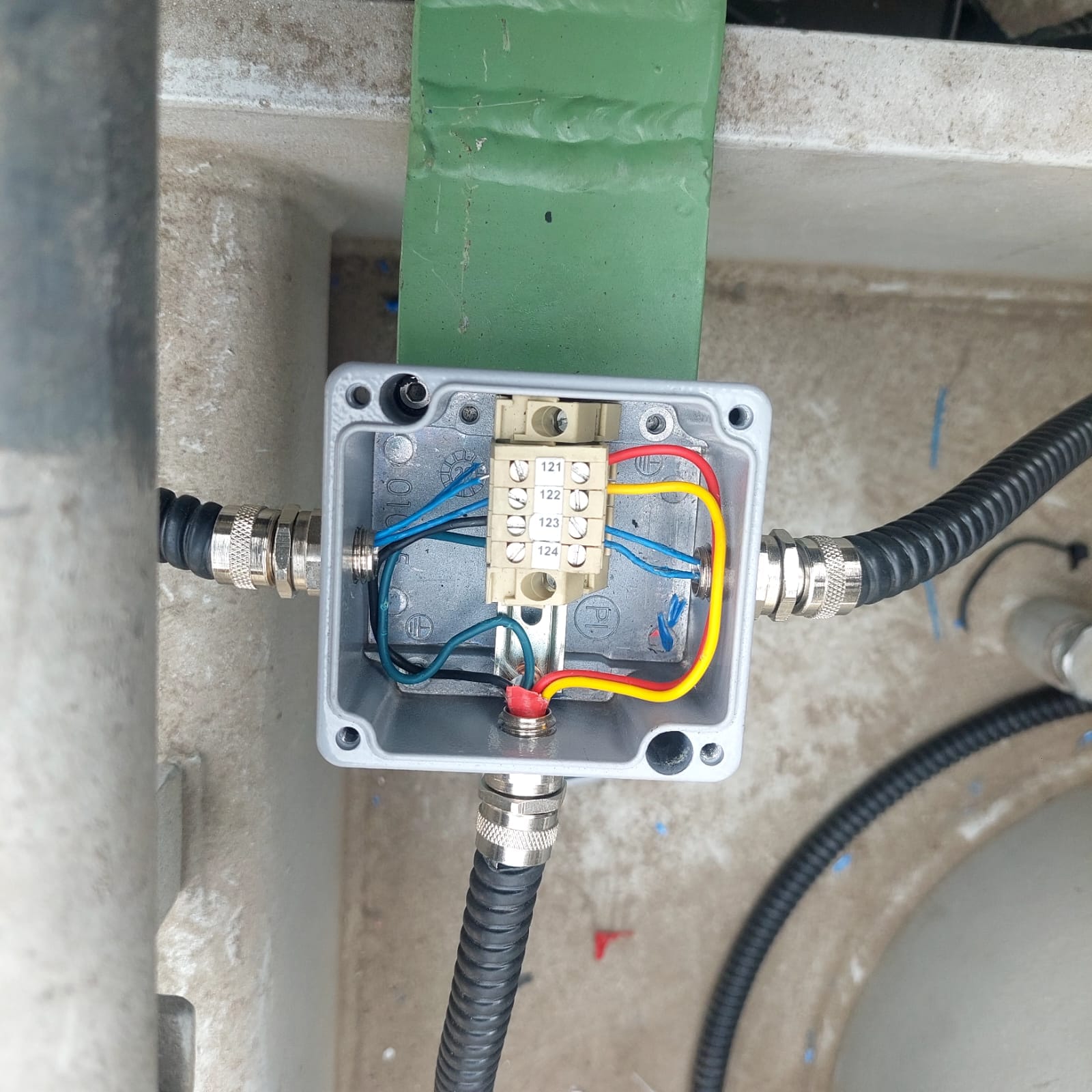
What the System Can Do
- Detect defined fire or heat conditions according to the selected sensing technology.
- Generate local and remote alarm signals.
- Support operator response, interlocks and fire-protection sequences where engineered.
- Provide event information for investigation and recovery.
What It Does Not Do
- It does not prevent an internal electrical fault.
- It does not control the initial pressure transient.
- It does not replace electrical protection, mechanical protection or fire suppression.
- It does not guarantee that fire or damage will be avoided.
Project Qualification Requires
- Detection objective and fire scenario
- Sensor type, coverage and zoning
- Environmental and hazardous-area requirements
- Alarm, SCADA and interlock interfaces
- Power supply and degraded-mode philosophy
- Inspection, testing and maintenance requirements
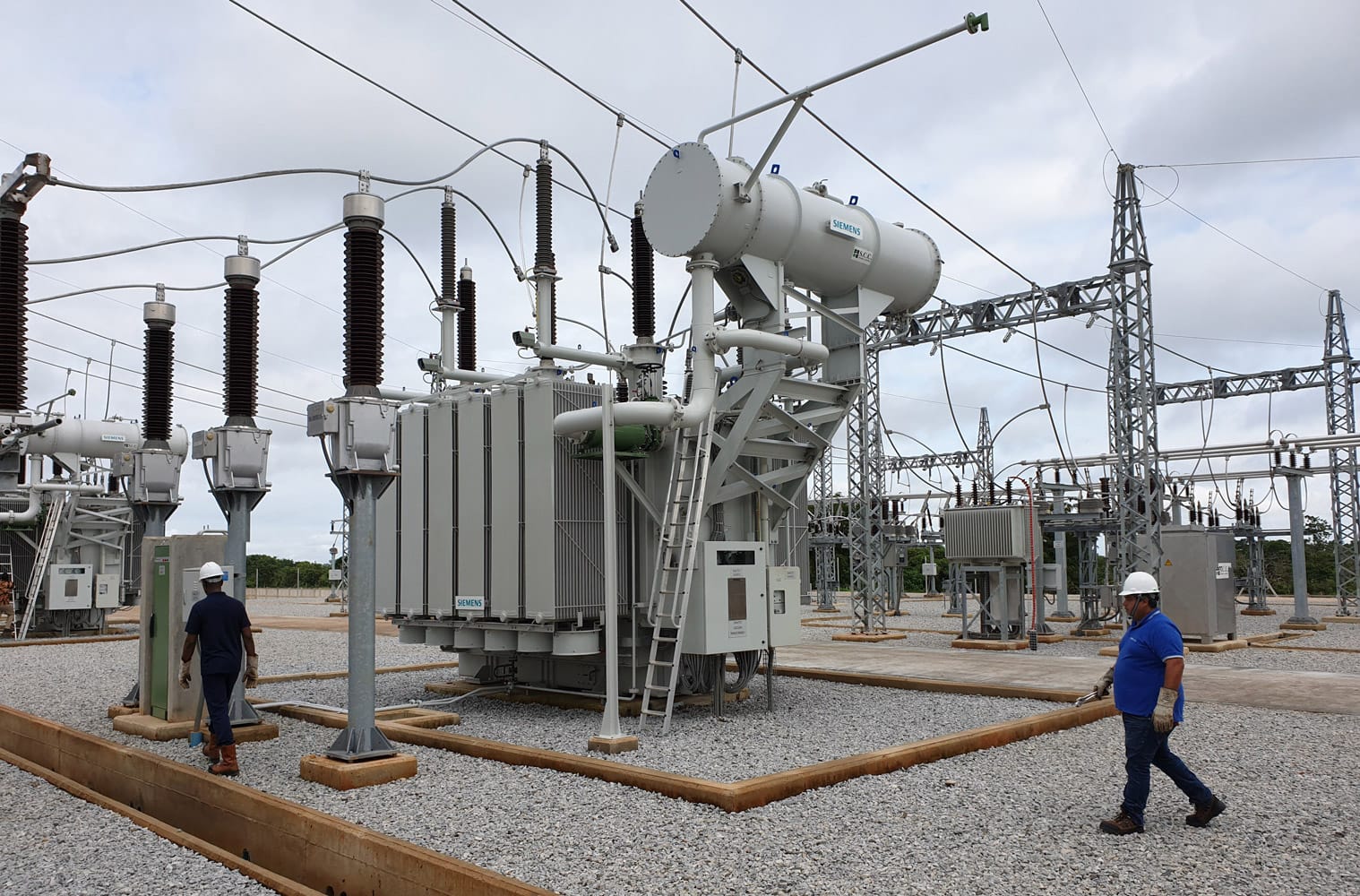
Key Principle
Automatic fire detection is an early-warning and response-enablement layer within a broader protection architecture.
Scope and evidence boundary
This page describes engineering principles and documented evidence within defined configurations. Applicability depends on transformer topology, fault scenario, connected oil volumes, hydraulic impedance, protection clearing time, site constraints and project-specific engineering validation.
SERGI solutions complement electrical protection, monitoring, fire protection, cybersecurity, physical security, structural measures and recovery planning. They do not eliminate all risk or constitute a universal performance guarantee.