



- Home
- Solutions & Engineering
Solutions & Engineering
Engineering Protection Architectures for Critical Transformers
Critical transformers are bespoke, difficult to replace and exposed to multiple operational constraints. Effective resilience requires a documented fault basis, layered protection, representative boundary conditions and project-specific engineering.
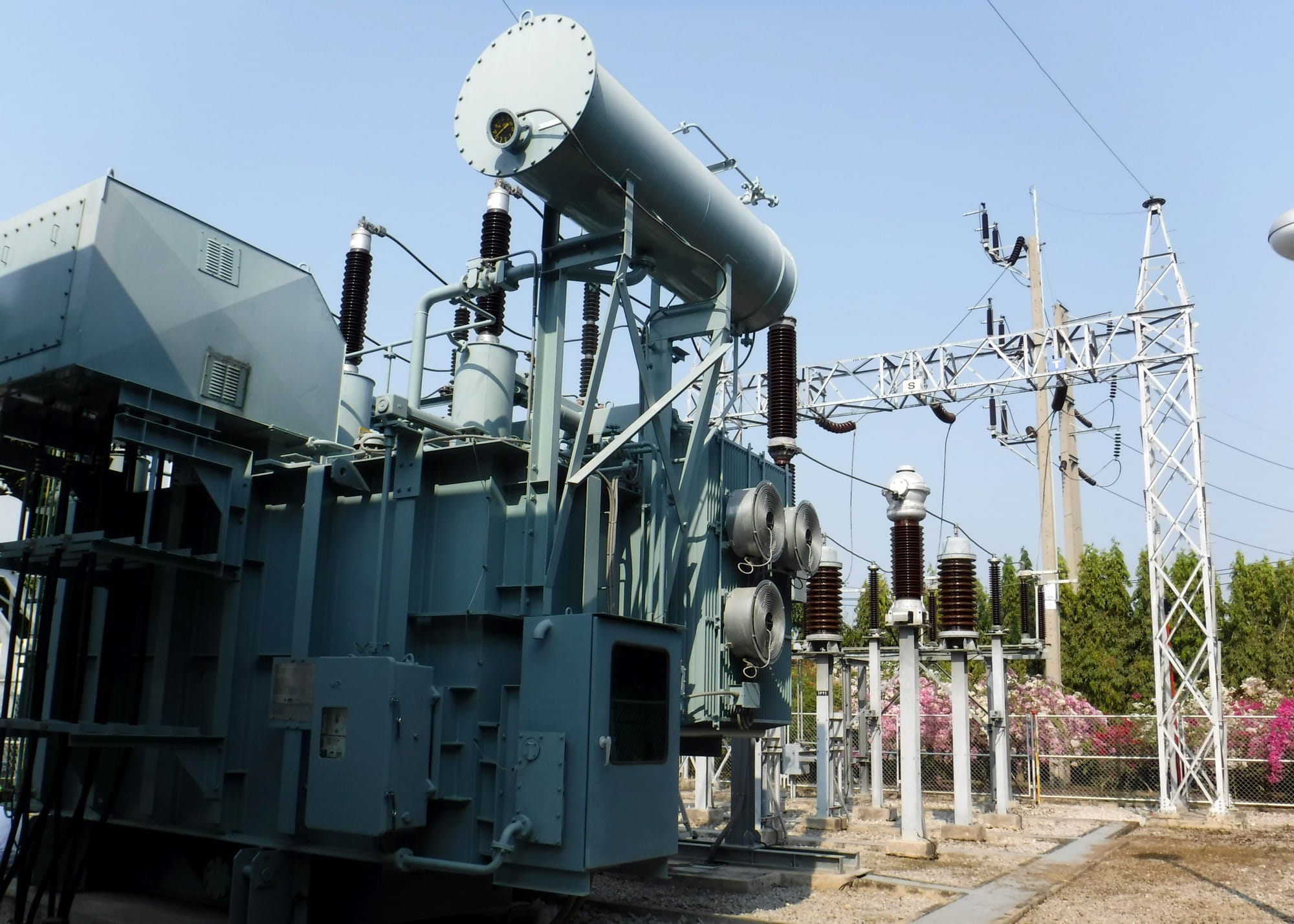
Large power transformers are bespoke, hard to replace and approaching 40 years on average; protecting them requires a combination of risk analysis, preventive engineering, and mechanical devices aligned with NFPA, IEC and IEEE standards.
Solutions by Engineering Objective
Customized solutions for explosion, fire, domino effects, and mechanical protection strategies.
Mechanical Protection Technologies
Our tools are tailored, not off the shelf. Every solution begins with deep technical analysis of transformer behavior under fault event scenarios.
Integrated Transformer Protector
HS2D Modular Architecture
Fire & Consequence Mitigation
Engineering & Integration
How to Qualify a Transformer Protection Architecture
- Define the claim boundary and applicable fault scenarios.
- Verify the as-built transformer topology and connected oil volumes.
- Match each claim to the appropriate evidence family.
- Document model inputs, correlation, assumptions and limits.
- Define project-specific acceptance criteria and residual risk.
- Verify manufacturing, installation, commissioning and lifecycle controls.
From Engineering Principles to Proven Deployment
Protecting critical transformers requires more than compliance.
It requires engineering solutions proven under real fault conditions, aligned with physical realities and validated over time.
Scope and evidence boundary
This page describes engineering principles and documented evidence within defined configurations. Applicability depends on transformer topology, fault scenario, connected oil volumes, hydraulic impedance, protection clearing time, site constraints and project-specific engineering validation.
SERGI solutions complement electrical protection, monitoring, fire protection, cybersecurity, physical security, structural measures and recovery planning. They do not eliminate all risk or constitute a universal performance guarantee.