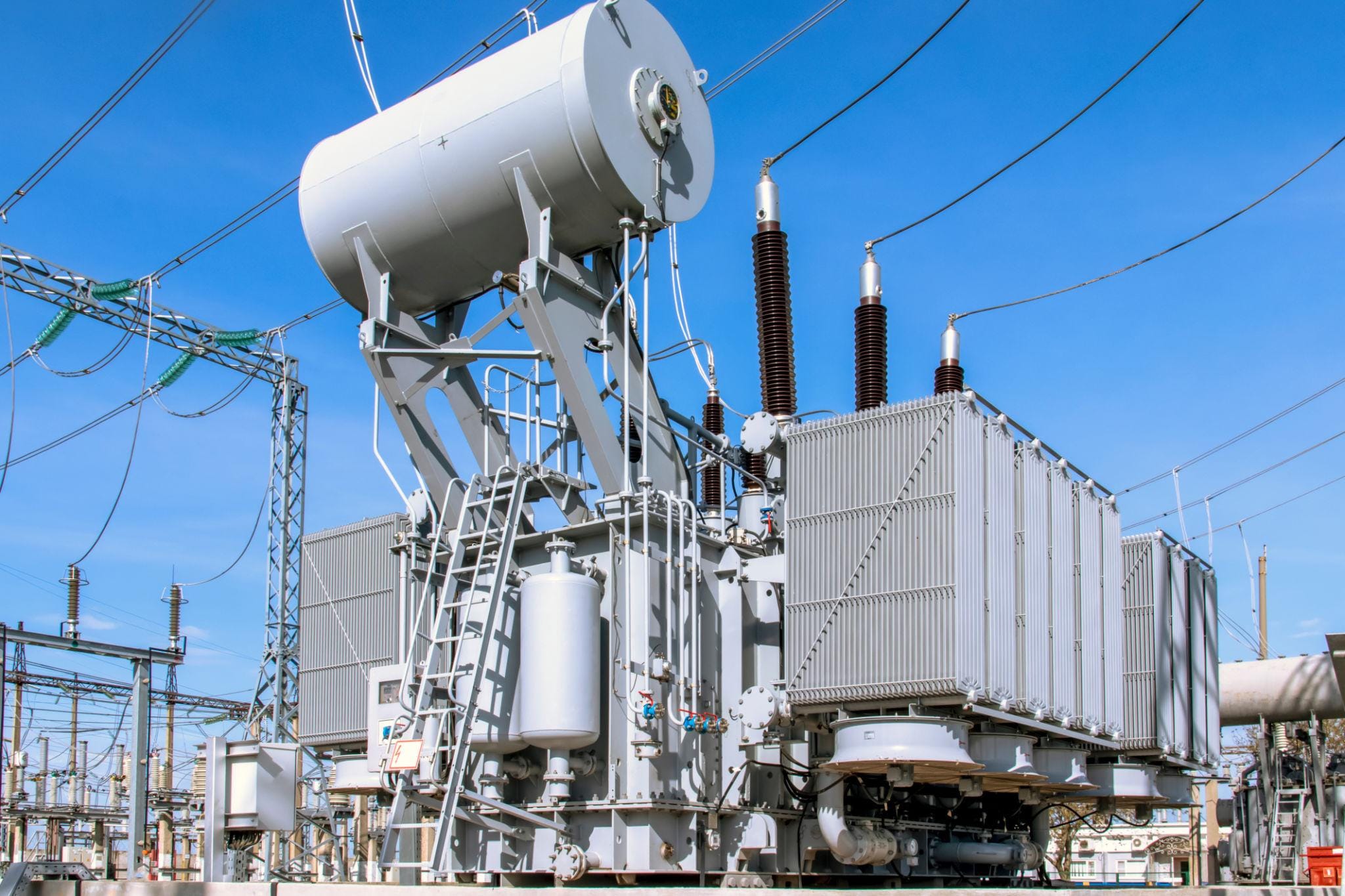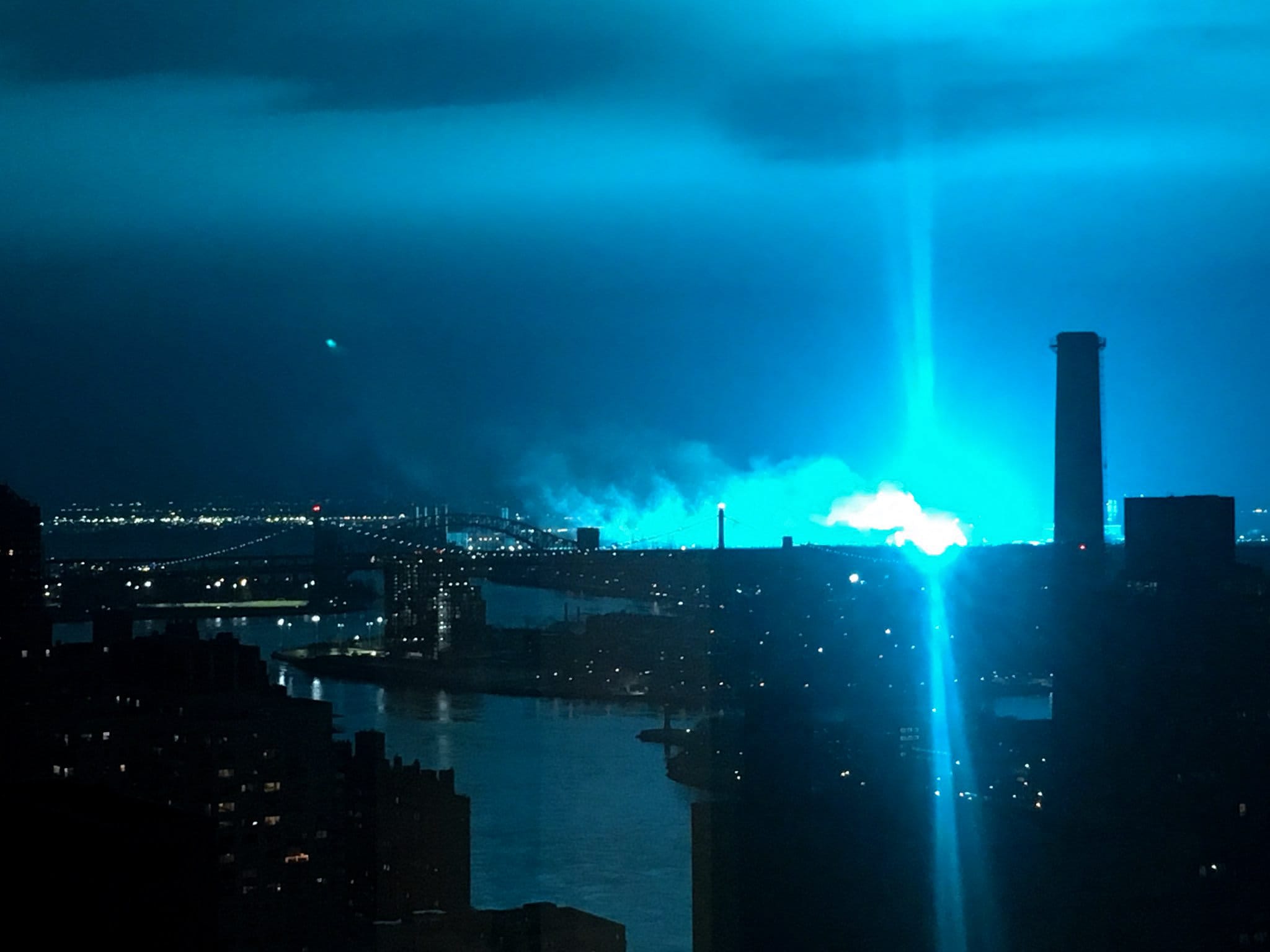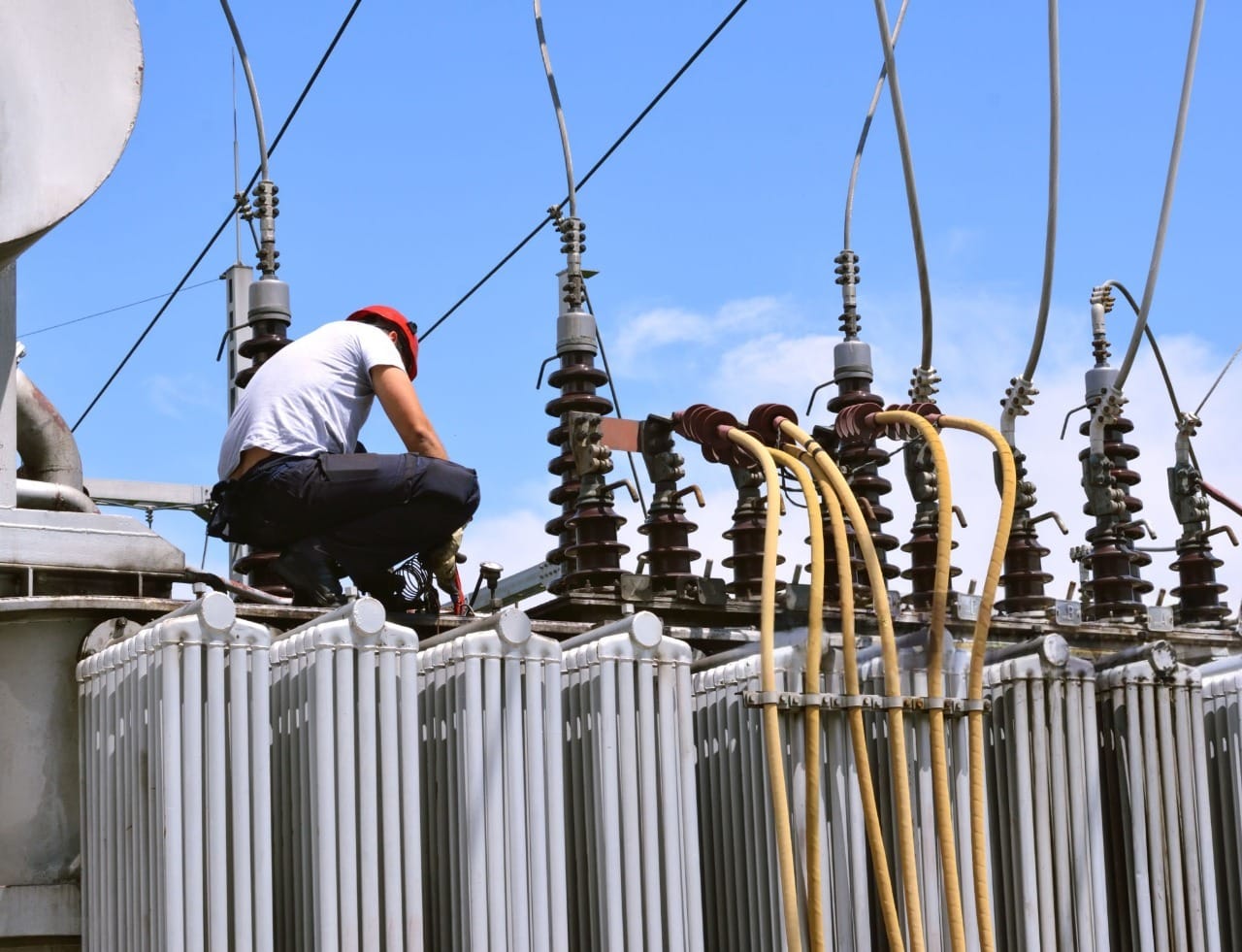



Transformer protection strategies often fail not because technologies are unavailable, but because two fundamentally different objectives are confused: preventing an explosion and mitigating a fire.
Understanding the difference between explosion prevention and fire mitigation is essential for making defensible decisions on safety, resilience and risk management in critical energy infrastructure.
- Two Different Problems — Often Treated as One
In many discussions, explosion and fire are treated as a single event.
From an engineering standpoint, this is incorrect.
- An explosion is a mechanical failure caused by rapid internal pressure rise.
- A fire is a thermal and chemical phenomenon that occurs after tank rupture.
Treating both with the same strategy inevitably leads to protection gaps.
- What Explosion Prevention Really Means
Definition
Explosion prevention aims to stop the sequence before the transformer tank ruptures.
This requires:
- addressing dynamic internal pressure,
- acting within milliseconds,
- operating independently of external detection or control systems.
Explosion prevention is therefore a mechanical challenge, governed by fluid dynamics and structural response — not by combustion control.
Key Characteristics of Explosion Prevention
- Acts before rupture
- Targets pressure generation and propagation
- Requires passive, immediate response
- Cannot rely on electrical signals or delayed detection
If the tank does not rupture, the explosion does not occur.
- What Fire Mitigation Is Designed to Do
Definition
Fire mitigation aims to reduce the consequences of a fire after ignition.
It focuses on:
- limiting flame spread,
- reducing heat release,
- protecting surrounding equipment and personnel.
Fire mitigation assumes that:
- the tank has already ruptured, or
- oil has already been released and ignited.
Typical Fire Mitigation Approaches
- Fire detection systems
- Fire suppression (water, foam, inert gas)
- Oil drainage and containment
- Firewalls and separation distances
These approaches are essential for damage control, but they do not address the initiating mechanical failure.
- Why Fire Mitigation Cannot Prevent Explosions
The key limitation is timing.
- Dynamic pressure rise occurs within milliseconds.
- Fire detection and suppression systems operate on much longer timescales.
By the time a fire is detected:
- the tank rupture has already occurred,
- the explosion has already taken place.
Fire mitigation reacts to consequences.
Explosion prevention must act before consequences exist.
- Common Sources of Confusion in the Industry
Several factors contribute to persistent confusion:
Misinterpretation of incidents
Post-incident analyses often focus on fire damage, obscuring the fact that fire followed rupture.
Over-reliance on detection logic
Electrical protections and fire detectors are assumed to provide sufficient safety coverage, despite their inherent response delays.
Marketing-driven claims
Some technologies are presented as capable of preventing explosions, while their actual function is limited to post-rupture fire control.
- The Consequences of Confusing the Two
When explosion prevention and fire mitigation are conflated:
- protection strategies leave the primary mechanical failure unaddressed,
- catastrophic escalation remains possible,
- decisions become difficult to justify to insurers and regulators,
- residual risk is significantly underestimated.
This explains why severe transformer incidents still occur despite multiple layers of fire protection.
- How Protection Strategies Should Be Structured
A robust transformer protection architecture distinguishes clearly between objectives:
| Objective | Engineering Focus |
| Explosion Prevention | Dynamic pressure relief before rupture |
| Fire Mitigation | Limiting fire after ignition |
| Consequence Control | Environmental and thermal containment |
| Recovery Support | Faster return to service |
Each layer plays a role — but none can substitute another.
- Why This Insight Matters for Decision-Makers
For operators, insurers and regulators, this distinction clarifies:
- why certain investments reduce risk more effectively than others,
- why some incidents remain catastrophic despite extensive fire protection,
- why mechanical explosion prevention is increasingly recognised in protection standards.
A defensible protection strategy begins by defining what must be prevented — and what can only be mitigated.
Explosion prevention and fire mitigation address different moments in the failure sequence.
Confusing them does not improve safety — it merely shifts attention away from the root cause.
Understanding this distinction is a critical step toward protecting people, infrastructure and the continuity of electrical networks.
A protection strategy that does not distinguish prevention from mitigation is, by definition, incomplete.