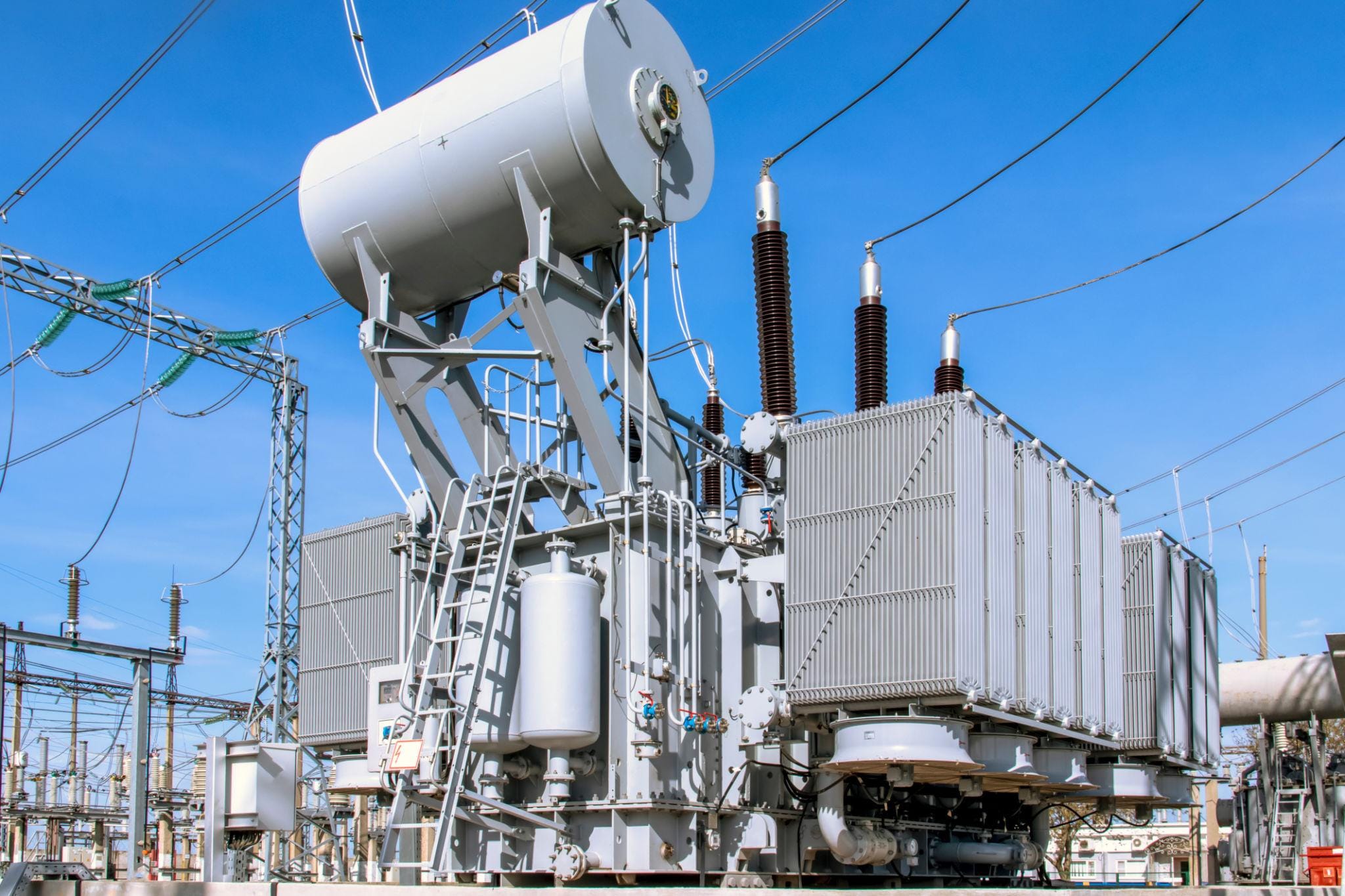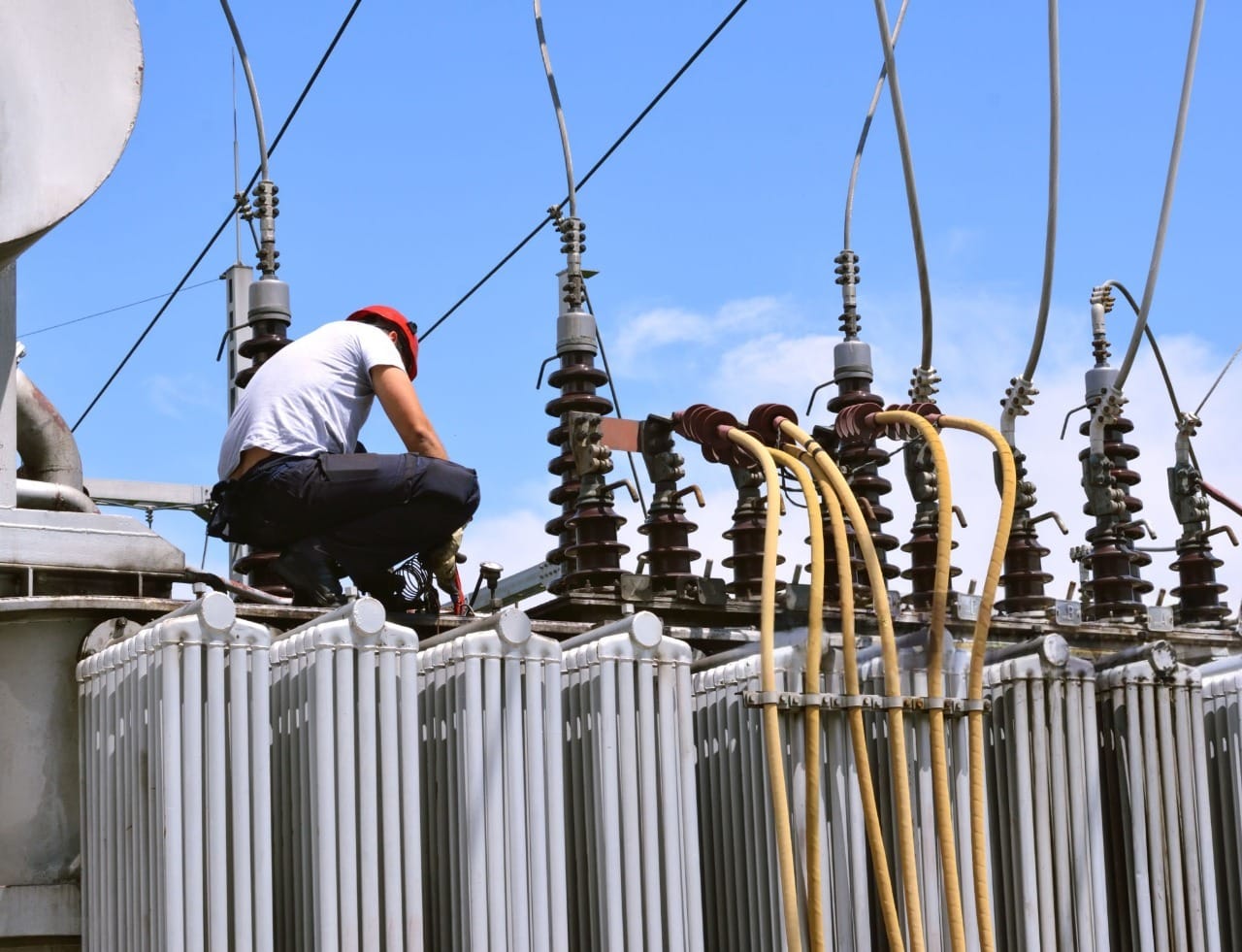



Retrofit solutions are often presented as a way to bring existing transformers “close” to the safety and performance level of new installations.
In reality, retrofitting a transformer is an engineering compromise.
It can significantly reduce risk — but it cannot eliminate it.
Understanding the limits of retrofit protection is essential for making transparent, defensible decisions on asset safety, investment priorities and infrastructure resilience.
- Why Retrofit Is Increasingly Considered
Across the world, utilities and operators face the same constraints:
- ageing transformer fleets,
- limited replacement capacity,
- long manufacturing lead times,
- capital expenditure constraints,
- increasing regulatory and insurance pressure.
Under these conditions, retrofitting existing assets is often the only realistic short- to medium-term option to reduce risk.
- Retrofit vs New Installation: A Fundamental Difference
A new transformer installation allows protection to be:
- integrated into the design,
- optimised for geometry and layout,
- validated as a complete system.
A retrofit, by definition:
- must adapt to an existing asset,
- inherits historical design choices,
- is constrained by physical interfaces and access.
A retrofit improves an existing situation.
It does not redefine it.
- Key Technical Constraints in Retrofit Projects
Several structural constraints limit what retrofit protection can achieve.
Mechanical Constraints
- fixed tank geometry,
- limited access to critical zones,
- inability to modify internal structures.
Interface Constraints
- existing bushings and connections,
- legacy protection devices,
- predefined oil volumes and flow paths.
Installation Constraints
- limited outage windows,
- site-specific safety restrictions,
- minimal tolerance for invasive work.
These constraints directly affect the maximum achievable protection level.
- Why Retrofit Protection Cannot Replicate New-Asset Performance
Some protection mechanisms rely on:
- precise geometry,
- large flow cross-sections,
- optimal integration with the tank structure.
In retrofit scenarios:
- available interfaces may be too small,
- response paths may be longer or indirect,
- mechanical efficiency may be reduced.
As a result:
Retrofit protection can mitigate consequences — but may not fully prevent all failure modes.
- Common Misconceptions About Retrofit Solutions
Several misconceptions persist in the market:
- “A retrofit solution can provide the same protection as a new installation.”
- “If it works on one transformer, it will work the same on all others.”
- “Compliance after retrofit equals elimination of risk.”
These assumptions overlook the asset-specific nature of mechanical failure mechanisms.
- How Retrofit Protection Should Be Approached
A responsible retrofit strategy follows a structured engineering process:
- Asset Criticality Assessment
Identify which failure modes must be addressed. - Feasibility Analysis
Determine what is technically achievable on the existing asset. - Protection Architecture Definition
Select the best attainable protection level — not the ideal one. - Transparent Documentation of Residual Risk
Explicitly state what risks remain after retrofit.
The value of retrofit lies in clarity — not in promises.
- Retrofit as a Transitional Strategy
Retrofit protection is often most effective when viewed as:
- a risk reduction step,
- a bridge toward future replacement or redesign,
- a way to stabilise exposure during constrained periods.
It should not be presented as a permanent substitute for fully integrated protection architectures on new assets.
- Why This Insight Matters for Decision-Makers
For operators, insurers and regulators, recognising retrofit limits:
- avoids false confidence,
- supports prioritisation of critical assets,
- enables defensible investment decisions,
- clarifies long-term replacement strategies.
A retrofit that acknowledges its limits is safer than a retrofit that denies them.
Closing Thought
Retrofit protection plays a vital role in managing ageing infrastructure.
Its effectiveness, however, depends on engineering honesty and transparency.
Understanding its limits is not a weakness —
it is the foundation of responsible risk management.
Retrofit reduces risk — it does not redefine the asset.
Defensible decisions start with clarity on residual risk.