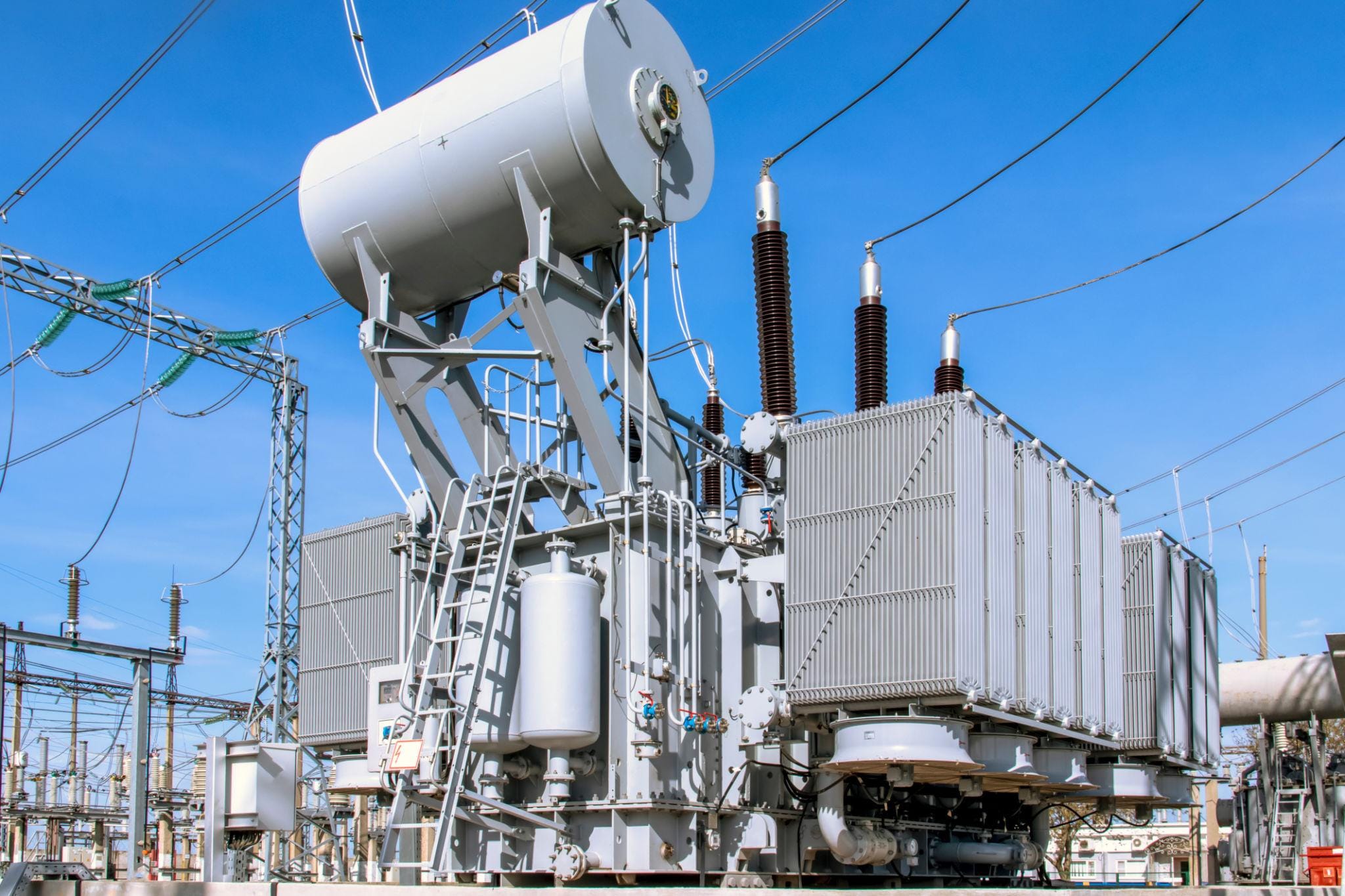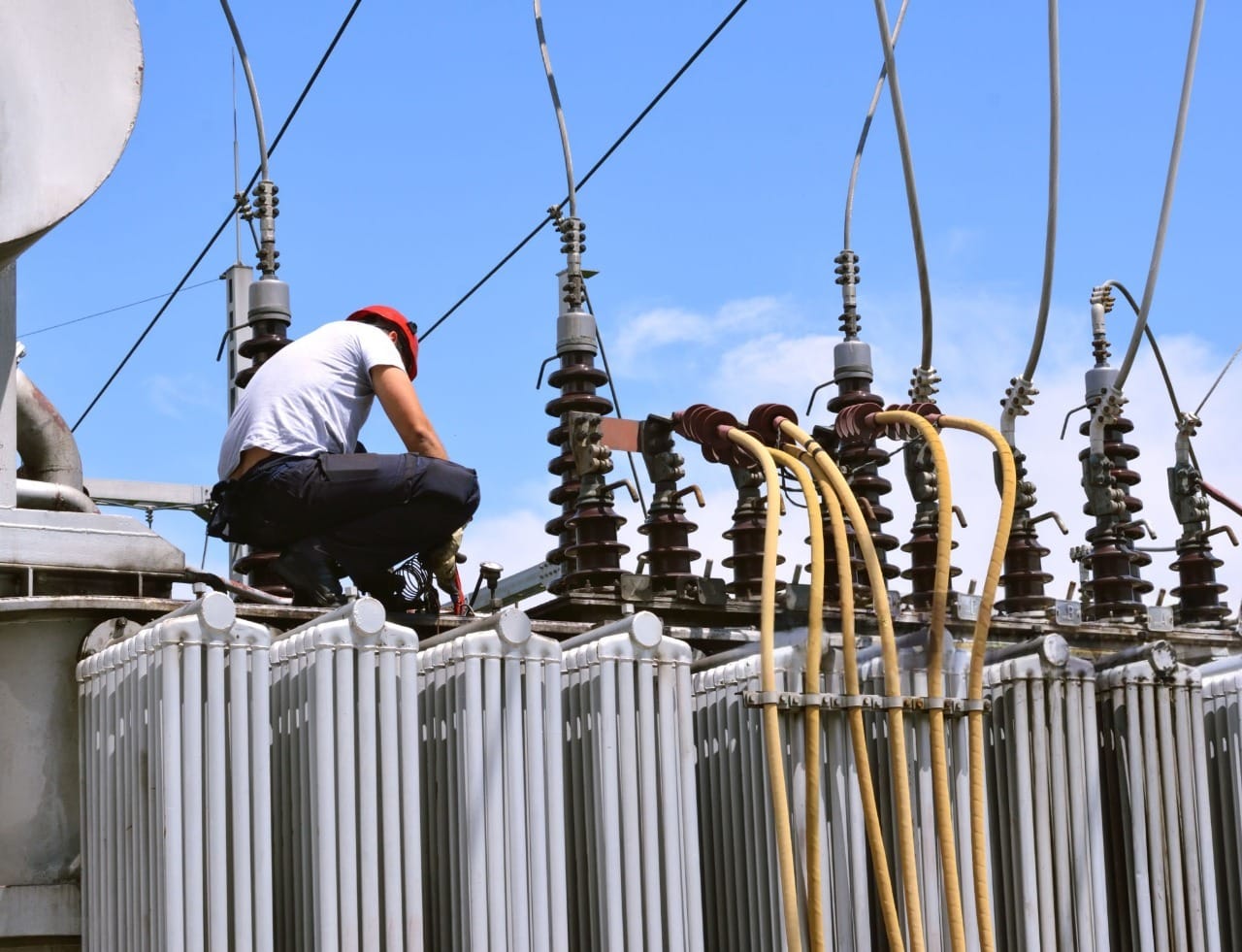



NFPA 850 is one of the most frequently cited standards in discussions about transformer fire and explosion protection.
Yet it is also one of the most frequently misinterpreted.
Understanding what NFPA 850 actually says — and what it does not say is essential for making defensible protection decisions and avoiding a false sense of compliance-driven safety.
- What NFPA 850 Is — and What It Is Not
What NFPA 850 Is
NFPA 850 is a Recommended Practice for fire protection in:
- electric generating plants,
- substations,
- large electrical installations.
Its objective is to:
- reduce fire risk,
- limit escalation,
- support life safety and continuity of service.
It provides guidance, not mandatory requirements.
What NFPA 850 Is Not
NFPA 850 is:
- not a design code,
- not a performance guarantee,
- not a certification of explosion prevention.
Compliance with NFPA 850 does not imply that all catastrophic failure modes are addressed.
NFPA 850 supports good practice.
It does not eliminate engineering responsibility.
- NFPA 850’s Approach to Transformer Protection
NFPA 850 addresses transformer risk through multiple layers, including:
- spatial separation and firewalls,
- oil spill containment and drainage,
- fire detection and suppression,
- protection against escalation to adjacent assets.
These measures are primarily focused on fire mitigation and consequence control.
- What NFPA 850 Recognizes About Explosion Risk
A critical but often overlooked aspect of NFPA 850 is its explicit recognition that:
- internal transformer faults can lead to rapid pressure rise,
- conventional fire protection alone may be insufficient,
- additional measures may be required to address mechanical failure modes.
In this context, NFPA 850 acknowledges the role of fast mechanical depressurization systems as a means to limit catastrophic tank rupture under certain conditions.
This recognition is about addressing physics — not about mandating a specific product.
- Common Misinterpretations of NFPA 850
Several recurring misinterpretations appear in industry discussions:
“NFPA 850 compliance means explosion risk is addressed”
This is incorrect.
NFPA 850 focuses primarily on fire risk and escalation, not on guaranteeing explosion prevention.
“NFPA 850 prescribes specific technologies”
This is incorrect.
NFPA 850 provides principles and recommendations, leaving technology selection to engineering judgement.
“NFPA 850 replaces the need for site-specific analysis”
This is incorrect.
NFPA 850 explicitly assumes that:
- local conditions vary,
- asset criticality differs,
- engineering judgement remains essential.
- NFPA 850 and Engineering Responsibility
NFPA 850 consistently reinforces a key principle:
Standards support decisions — they do not make them.
Protection strategies must therefore:
- interpret NFPA 850 within the context of each site,
- consider failure mechanisms not fully covered by generic guidance,
- integrate additional protection layers when justified by risk.
- NFPA 850 in the Broader Standards Landscape
NFPA 850 operates alongside other standards and references, including:
- IEC and IEEE transformer standards,
- insurer guidelines and loss-prevention frameworks,
- national and regional regulations.
No single document can address all failure modes.
Robust protection strategies emerge from the combined application of standards, engineering analysis and operational experience.
- Why This Insight Matters for Decision-Makers
For operators, insurers and authorities, a clear understanding of NFPA 850:
- prevents overconfidence based on nominal compliance,
- clarifies where additional protection may be justified,
- supports transparent, defensible decision-making.
Compliance is a baseline.
Resilience requires engineering judgement beyond compliance.
NFPA 850 plays a vital role in transformer fire protection practice.
But it must be understood in its proper scope.
Using NFPA 850 as a substitute for engineering analysis creates risk.
Using it as a foundation for informed protection decisions creates resilience.
<div style=”margin-top: 40px; padding-top: 20px; border-top: 1px solid #e5e5e5;”><a style=”display: inline-flex; align-items: center; justify-content: center; padding: 10px 18px; background-color: transparent; color: #0b2c4d; text-decoration: none; font-weight: 600; border: 1px solid #0B2C4D; border-radius: 3px; line-height: 1.2;” href=”/expertise/proof-standards/”>Understand the Scope — and Limits — of NFPA 850</a></div>
Compliance defines a baseline.
Resilience requires engineering judgement beyond standards.