



- Home
- Solutions & Engineering
- Resilience Accessories
- Conservator Shutter
Conservator Shutter
Passive Mechanical Control of Conservator Oil Flow
Why Conservator Isolation Matters
After a transformer incident, continued oil flow from the conservator may increase the quantity of oil available for release or combustion. The effect depends on the transformer arrangement, pipe geometry, oil flow, incident location and site conditions.
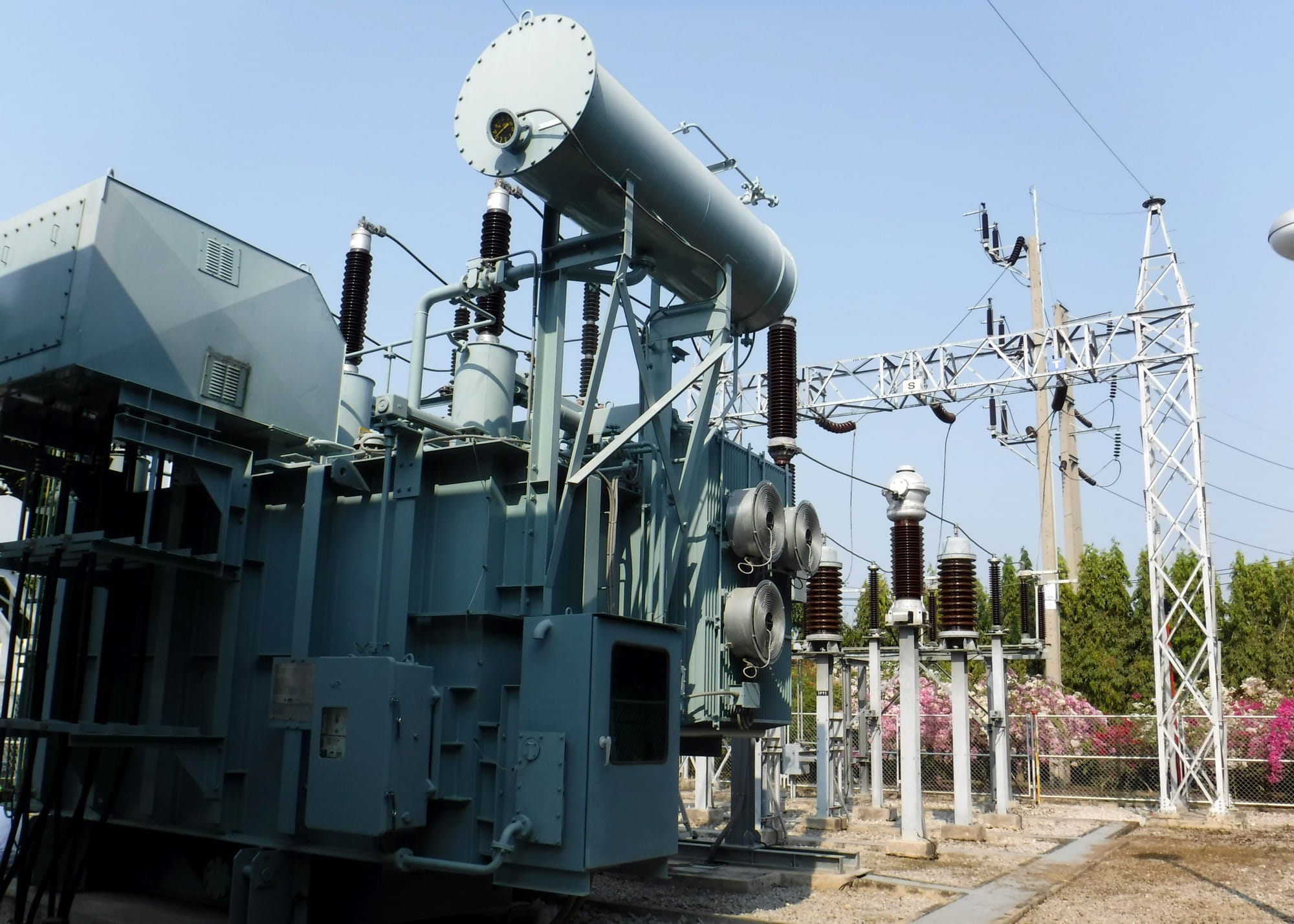
What the Conservator Shutter Does
- Detects defined abnormal oil-flow conditions through a passive mechanical principle.
- Isolates the conservator from the main tank when the qualified activation condition is reached.
- Helps reduce additional oil feed after an incident.
- Operates without software or external electrical control for the isolation function.
What It Does Not Do
- It does not prevent internal electrical faults.
- It does not replace pressure-escalation control.
- It does not extinguish a transformer fire.
- It does not eliminate oil release or residual fire risk.
Project Qualification Requires
- Conservator and pipe arrangement
- Pipe diameter, length, slope and fittings
- Normal and abnormal oil-flow conditions
- Environmental and seismic requirements
- Inspection, maintenance and proof-test requirements
- Interfaces with fire protection and operating procedures
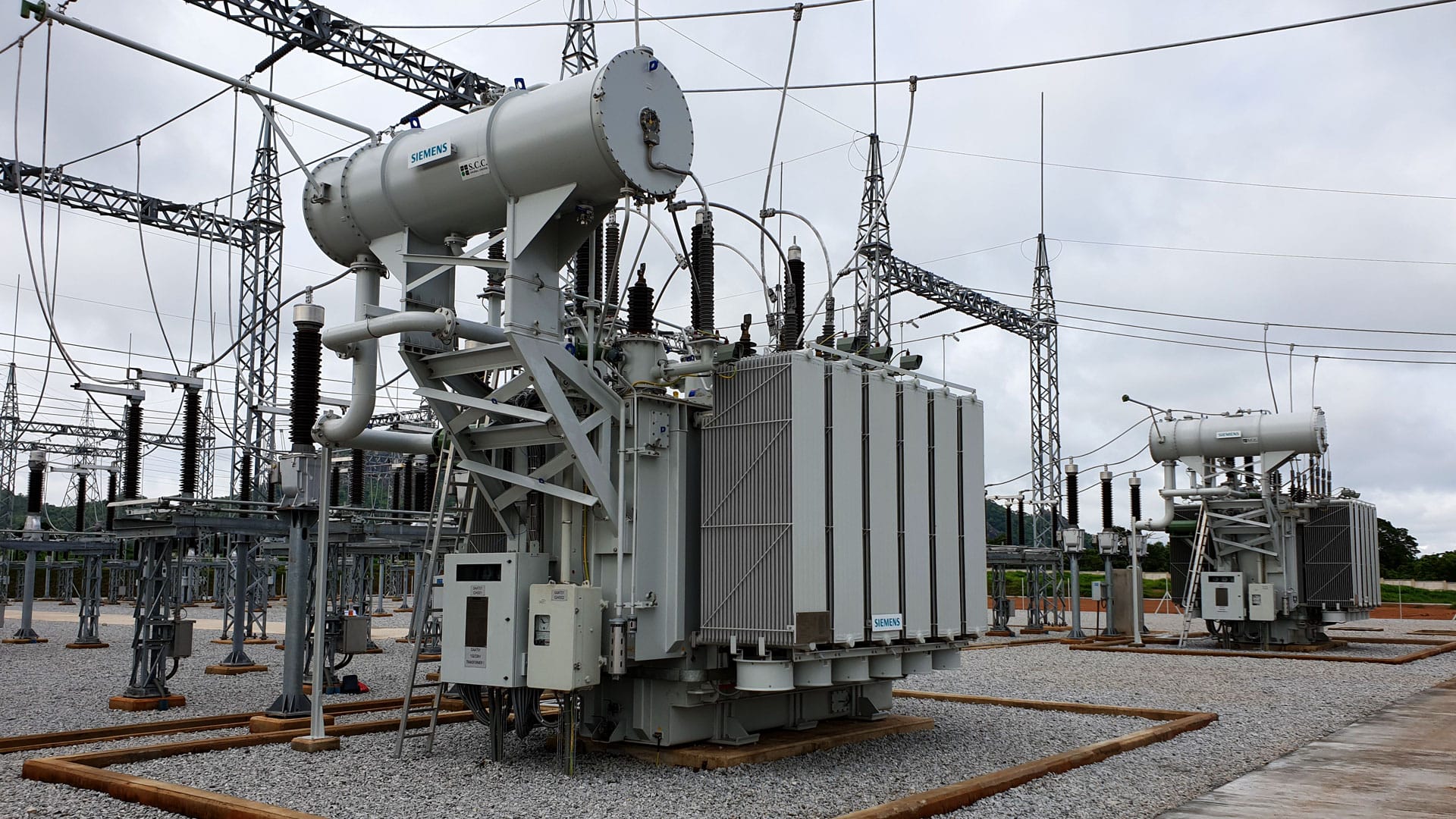
Key Principle
The Conservator Shutter is a complementary consequence-mitigation component, not a stand-alone transformer explosion prevention system.
Scope and evidence boundary
This page describes engineering principles and documented evidence within defined configurations. Applicability depends on transformer topology, fault scenario, connected oil volumes, hydraulic impedance, protection clearing time, site constraints and project-specific engineering validation.
SERGI solutions complement electrical protection, monitoring, fire protection, cybersecurity, physical security, structural measures and recovery planning. They do not eliminate all risk or constitute a universal performance guarantee.