


Context: A Systemic Risk Beyond the Transformer Asset
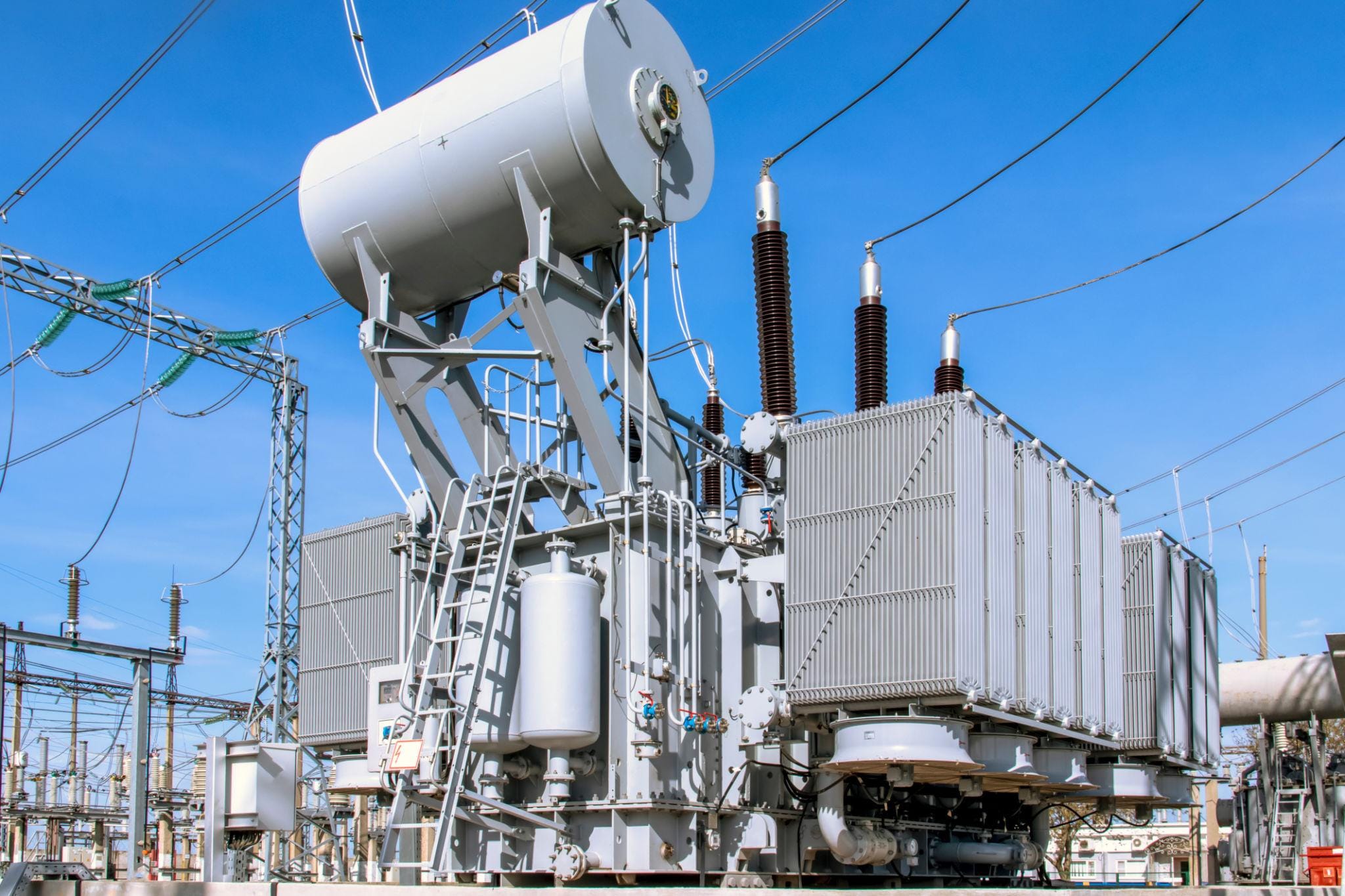
In heavy industrial environments such as steel processing facilities, power transformers are not isolated assets.
They operate at the heart of continuous production chains where a single failure can propagate far beyond the transformer itself, impacting personnel safety, production continuity, adjacent equipment, and site-wide operability.
VEO, an industrial operator in the steel sector, faced a situation where transformer failure could not be treated as a local or acceptable event. The decision challenge was not limited to equipment replacement, but to ensuring defensible risk control under rare, high-impact failure scenarios.
Decision Context
The site operated large oil-filled power transformers supplying critical metallurgical processes.
Key characteristics included:
- high power density and continuous load profiles,
- proximity of personnel and production assets,
- limited tolerance for prolonged outages,
- strong safety and insurance constraints.
Conventional protection approaches focused primarily on detection, electrical isolation, or post-fault fire suppression. These approaches were recognized as insufficient to address rapid internal fault escalation and dynamic pressure effects.
Risk & Constraints Identified
The risk analysis highlighted several non-negotiable constraints:
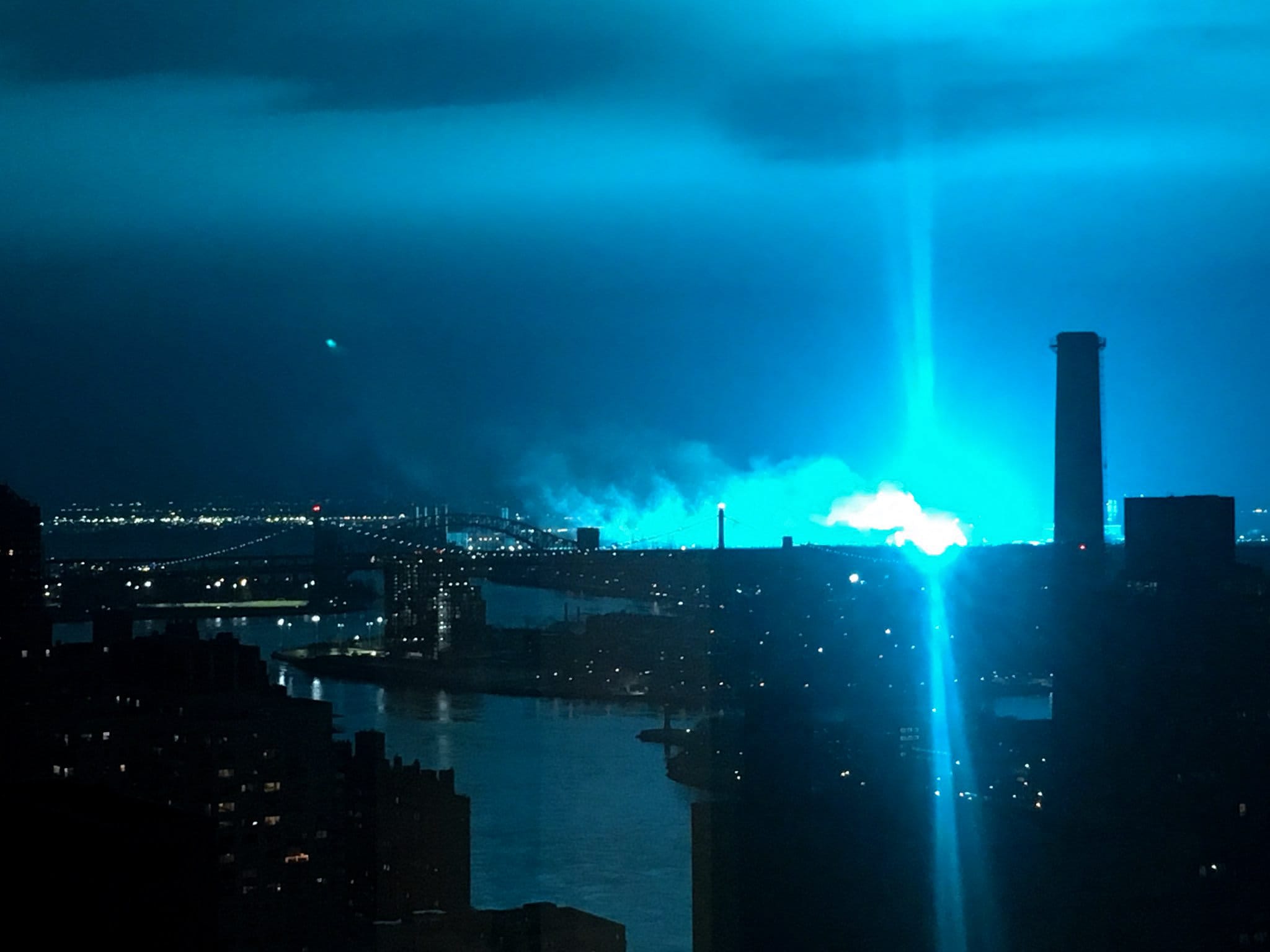
- Explosion escalation occurs within milliseconds, before conventional relays or fire systems can act.
- Transformer rupture would generate mechanical, thermal, and oil-related hazards affecting adjacent assets.
- Fire mitigation alone does not prevent tank rupture once dynamic pressure thresholds are exceeded.
- Any selected protection strategy had to be technically defensible, not based on assumptions or marketing claims.
The central question became:
Which protection approach can demonstrably limit catastrophic escalation under real internal fault conditions?
Engineering Evidence Considered
The decision process relied on objective engineering evidence, including:
- documented physical failure mechanisms (arcing, gas generation, dynamic pressure rise),
- full-scale and representative testing on oil-filled transformers,
- independent laboratory validation under controlled fault scenarios,
- multiphysics simulation results aligned with observed test behaviour,
- operational feedback from comparable industrial installations.
Critically, the evaluation distinguished between:
- fire mitigation (acting after rupture), and
- explosion prevention mechanisms capable of acting before structural failure.
Decision Rationale
The selected protection architecture prioritised:
- rapid mechanical response to internal pressure rise,
- passive behaviour independent of electrical detection logic,
- limitation of rupture, blast effects, and oil dispersion,
- compatibility with existing transformer configurations.
The decision was not framed as eliminating all risk, but as reducing residual risk to a level that could be justified to insurers, safety authorities, and internal governance bodies.
This approach aligned with internationally recognised principles of risk-based engineering and infrastructure resilience.
Defensibility Outcome
The resulting protection strategy enabled the operator to:
- demonstrate that catastrophic escalation mechanisms were explicitly addressed,
- document the technical limits of protection versus residual risk,
- justify decisions under insurance review and safety audits,
- support long-term operational resilience without reliance on unproven claims.
The outcome was not a “zero-risk” claim, but a defensible engineering decision grounded in physical reality and validated performance.
Why This Case Matters
This case illustrates a broader principle applicable across heavy industry:
- The most critical decisions are not about adding layers of protection,
- but about selecting which risks can be prevented,
- which can only be mitigated,
- and which must be explicitly accepted and documented.
In environments where transformer failure becomes a systemic threat, engineering judgement — supported by evidence — matters more than product labels.