



- Home
- Critical Infrastructure
- Energy Infrastructure
Energy Infrastructure
Why Energy Infrastructure Has Become System-Critical
Modern societies rely on highly interconnected electrical networks.
Failures at transformer level can propagate rapidly across regions, sectors and essential services.
What Do Transformers Do?
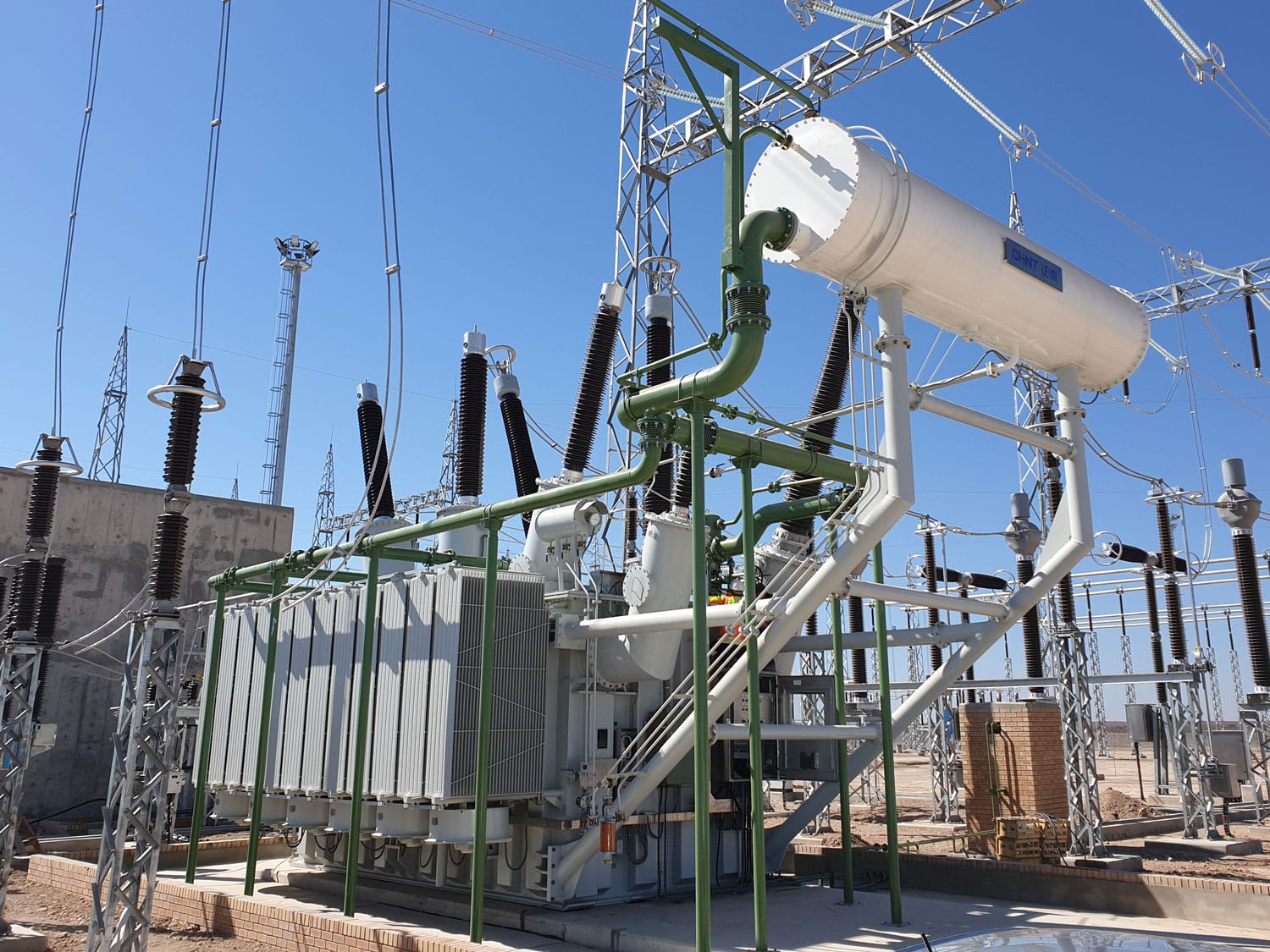
Transformers sit at the core of power grids, enabling efficient voltage conversion for long-distance transmission. Without them, electricity cannot reliably reach homes, hospitals or industries.
- The U.S. grid service now faces domestic delays, import issues, and limited capacity.
Supply-chain consolidation has seen over 80% of U.S. grid transformers imported.
When replacement transformers are sourced globally, recovery after major failures can take months — increasing systemic exposure during outages.
Why Power Transformers Have Become Strategic Assets
The strategic nature of power transformers stems from a combination of physical constraints, aging assets and systemic interdependencies.
Essential & Irreplaceable
Aging Fleet
Supply Chain Dependence
Operational Exposure
Environmental & Safety Consequences
Economic & Reputational Losses
How Do Transformers Become Strategic?
Addressing transformer-related systemic risk requires solutions capable of acting within the first milliseconds of internal fault events, before escalation occurs.
SERGI develops passive mechanical protection systems designed to limit the physical consequences of such failures and support continuity of service.
How SERGI Contributes to Resilience
SERGI develops passive mechanical systems that rapidly depressurize transformers in the event of an internal fault, preventing explosions and fires while protecting surrounding infrastructure and ensuring continuity of service.
Understanding why energy infrastructure failures become systemic is essential to designing effective protection strategies.
The next section examines the physical risks and escalation mechanisms that drive these outcomes.