


- Home
- Critical Infrastructure
- Systemic Resilience
Systemic Resilience
Preventing Domino Failures in the Power Grid
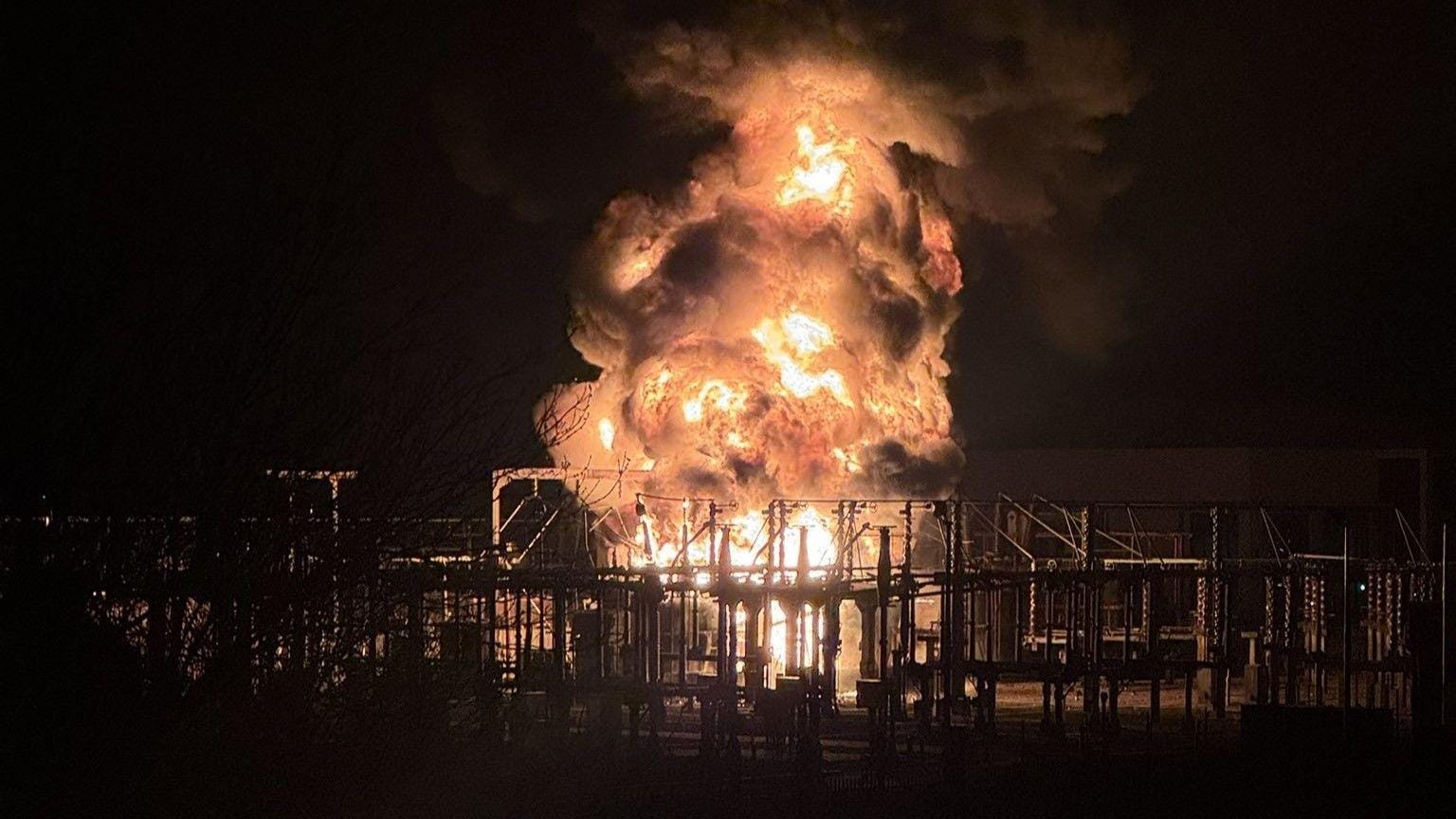
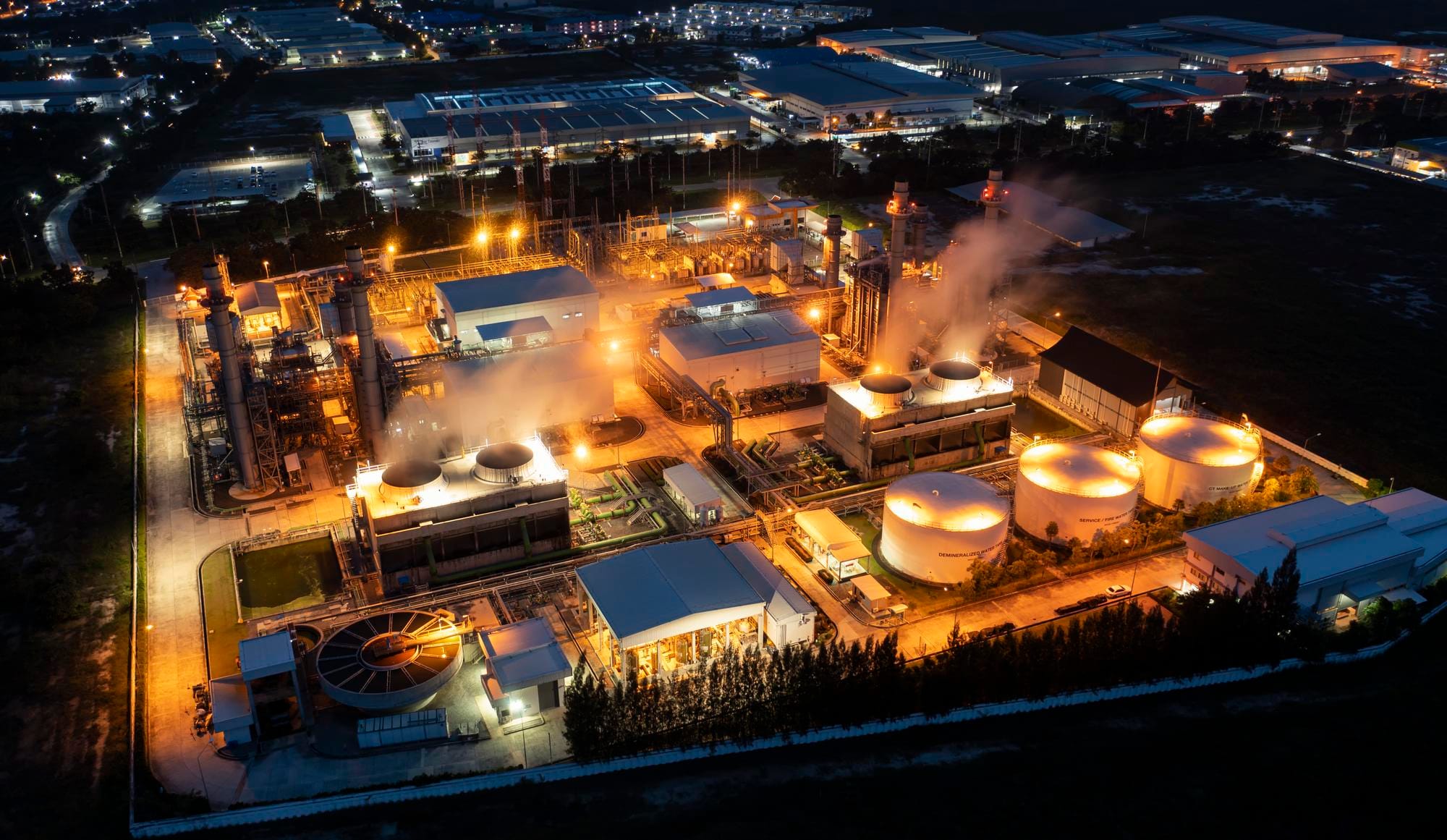
Preventing cascading failures across interconnected power systems
Transformers and substations operate as tightly interconnected systems.
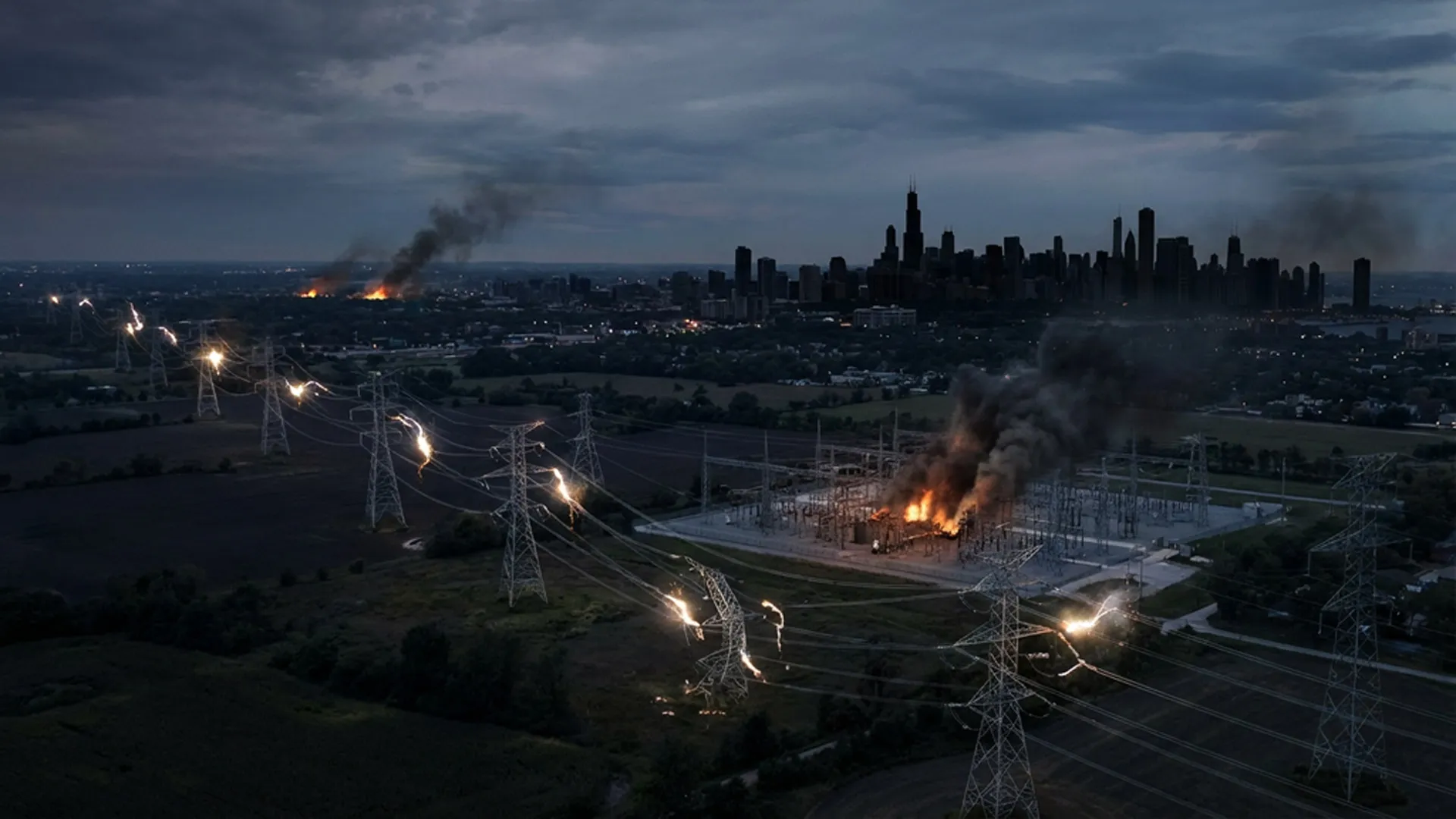
A failure at one point can overload neighboring assets, triggering a chain reaction of outages that rapidly extends beyond the initial site.
Once initiated, cascading failures are difficult to contain using conventional protection schemes.
- nergy authorities consistently highlight that cascading failures propagate faster than traditional response mechanisms can intervene, particularly in highly loaded transmission networks.

From Local Fault to Chain Reaction
Internal Fault
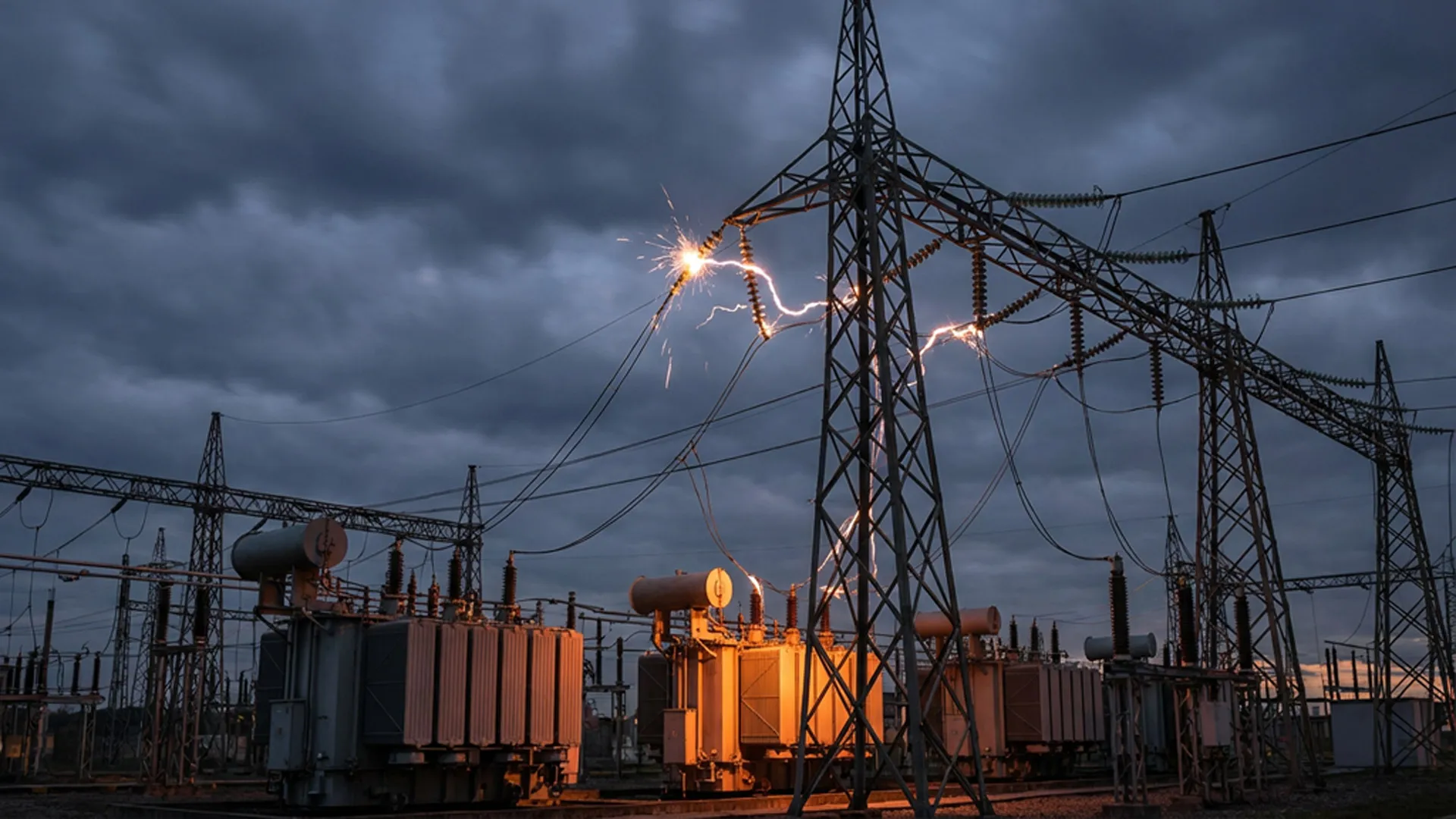
Power Surge
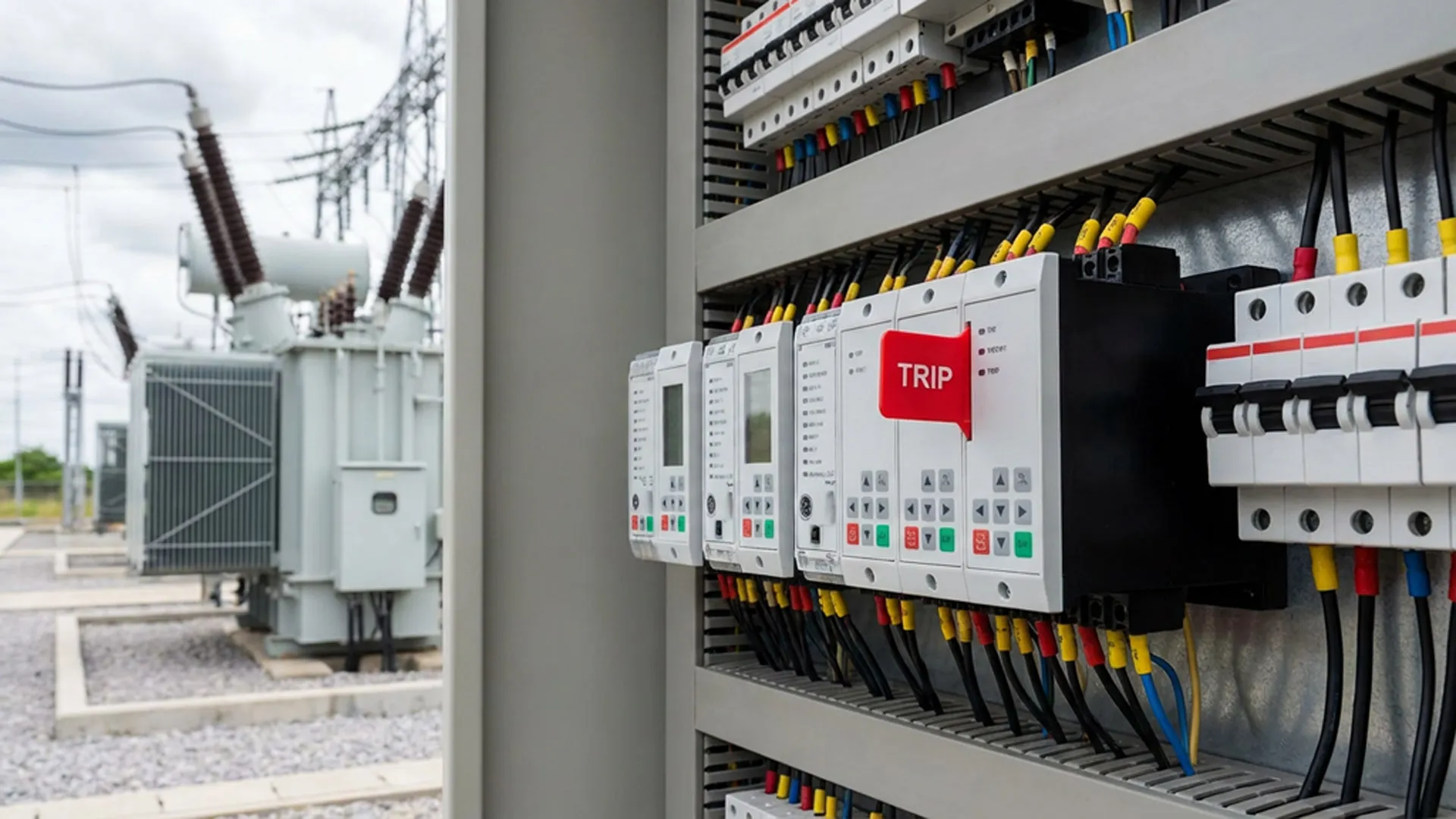
Relay Trips
Grid Overload
Cascading Outages
At this stage, the event is no longer local — it becomes systemic.
Building Resilience: Prevention & Mitigation
- Prevention
Prevention focuses on reducing exposure before faults occur, through targeted risk assessments and infrastructure strengthening.
- Identifying site-specific vulnerabilities
- Strengthening infrastructure before failure
- Preventive maintenance and system upgrades
- Mitigation
Mitigation addresses the moment of failure itself.
Only solutions capable of acting within the first milliseconds of an internal fault can limit pressure escalation and prevent domino effects.
- Fast-acting solutions reduce the severity of incidents and limit cascading effects.
How SERGI Contributes to Resilience
Addressing systemic transformer risk requires protection mechanisms capable of intervening before escalation occurs.
SERGI develops passive mechanical protection systems designed to limit the physical consequences of internal transformer faults and support grid recovery.
These systems operate independently of external power, control logic or digital connectivity.
These approaches align with internationally recognized frameworks, including NFPA 850, IEC and IEEE guidance, supporting infrastructure resilience objectives.

Understanding how local faults escalate into systemic failures is essential to defining effective protection strategies.
The next section examines the physical risk mechanisms that drive these cascades — and how they can be addressed.