



Large power transformers (LPTs) are custom-built, long-lead assets that form critical nodes within transmission and distribution networks.
When they fail, the impact often extends beyond the initial substation, leading to prolonged outages and cascading network stress.
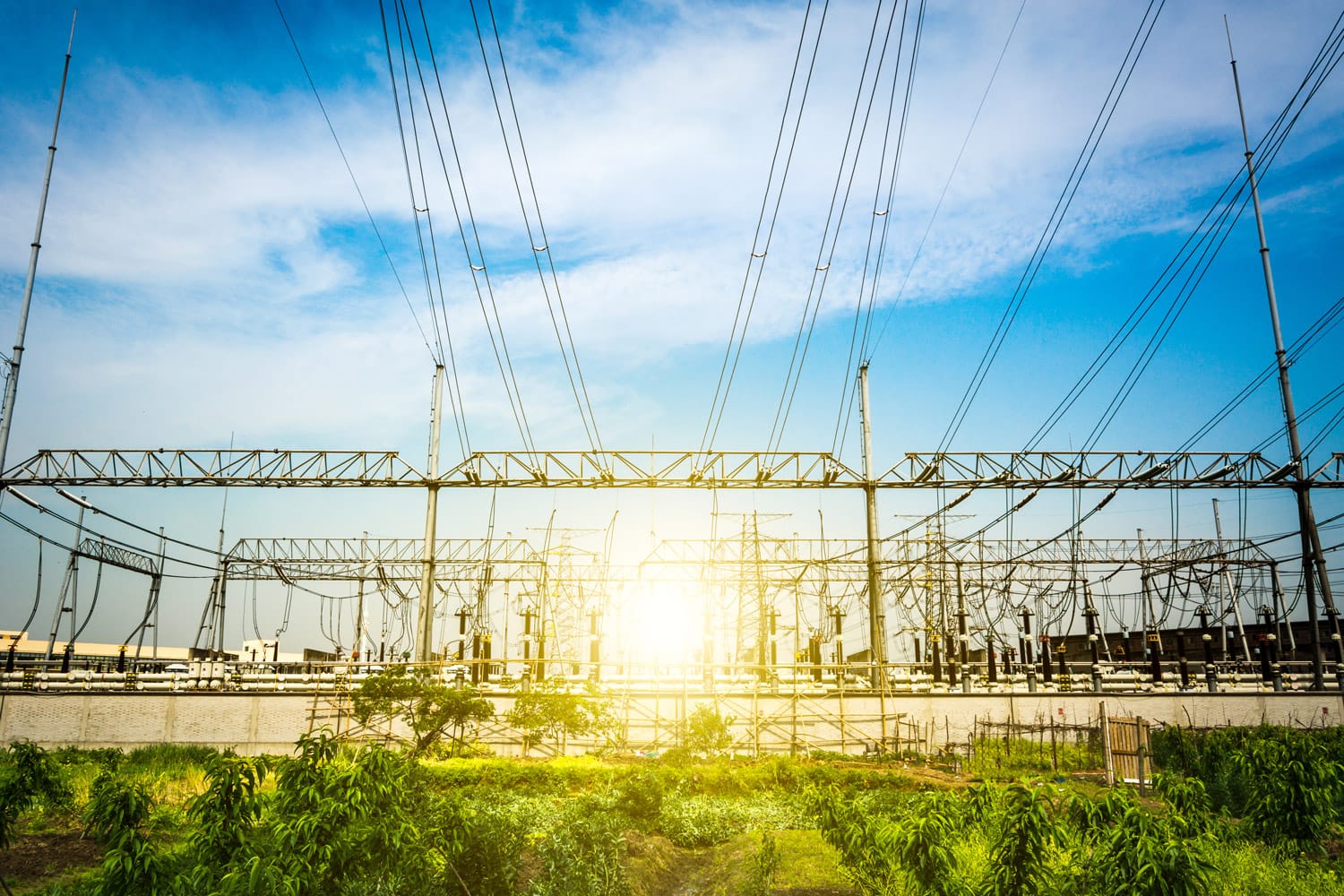
The Sectors of Energy
While power systems span generation, transmission and distribution, vulnerabilities at any level can affect the stability of the entire grid.
Generation assets depend on stable grid evacuation to operate safely and continuously.
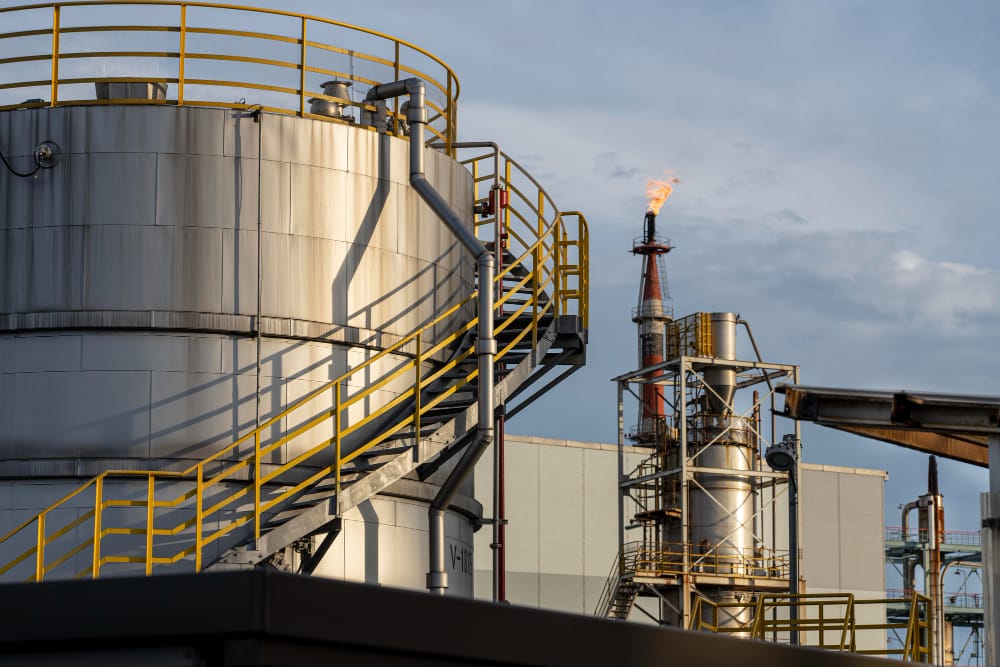
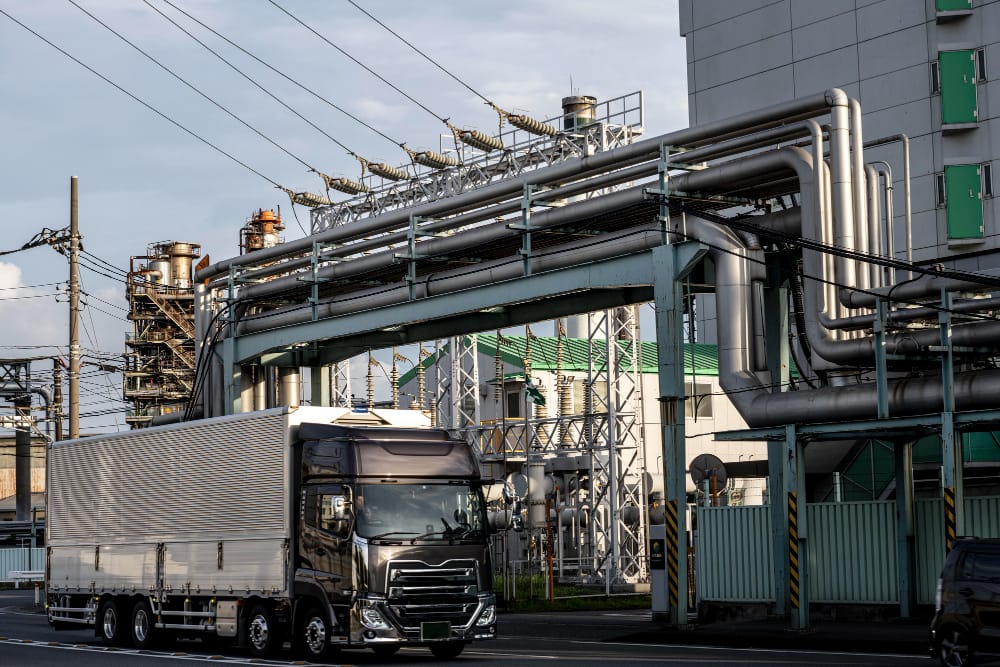
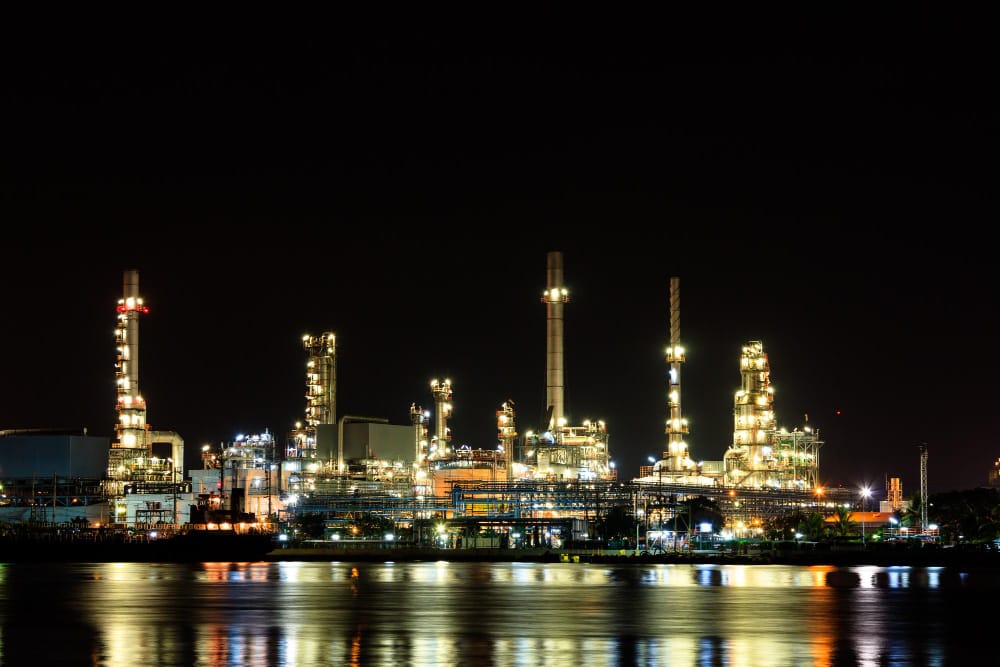
Challenges and Risks
In power and utility systems, transformer failures rarely remain isolated.
They can initiate cascading effects across transmission and distribution networks, resulting in widespread outages and economic disruption.
Further system-level analysis
These challenges are explored in more detail through SERGI’s power and utility insights, addressing transformer failure propagation, grid stress mechanisms, and operational resilience strategies.
Resilience and Standards
For utilities, resilience is not only about preventing failures, but about preserving grid stability when failures occur.
The Department of Energy defines resilience as the ability to prepare for, adapt to, and withstand threats.
Practical implications of these resilience principles are detailed in our power and utilities insights, based on operational experience and field observations.
Addressing systemic grid risk requires solutions capable of acting at the asset level before network-wide effects develop.
Why SERGI for Power & Utilities?
In power and utility networks, transformer failures can escalate into system-wide disruptions.
Understanding and mitigating these risks is essential to maintaining grid stability and public confidence.