




In environments with high human density and safety-critical systems, loss of electrical power can have immediate consequences for people and essential services.
Airports, hospitals, metro systems and water infrastructure depend on continuous electrical power to maintain safety-critical functions.
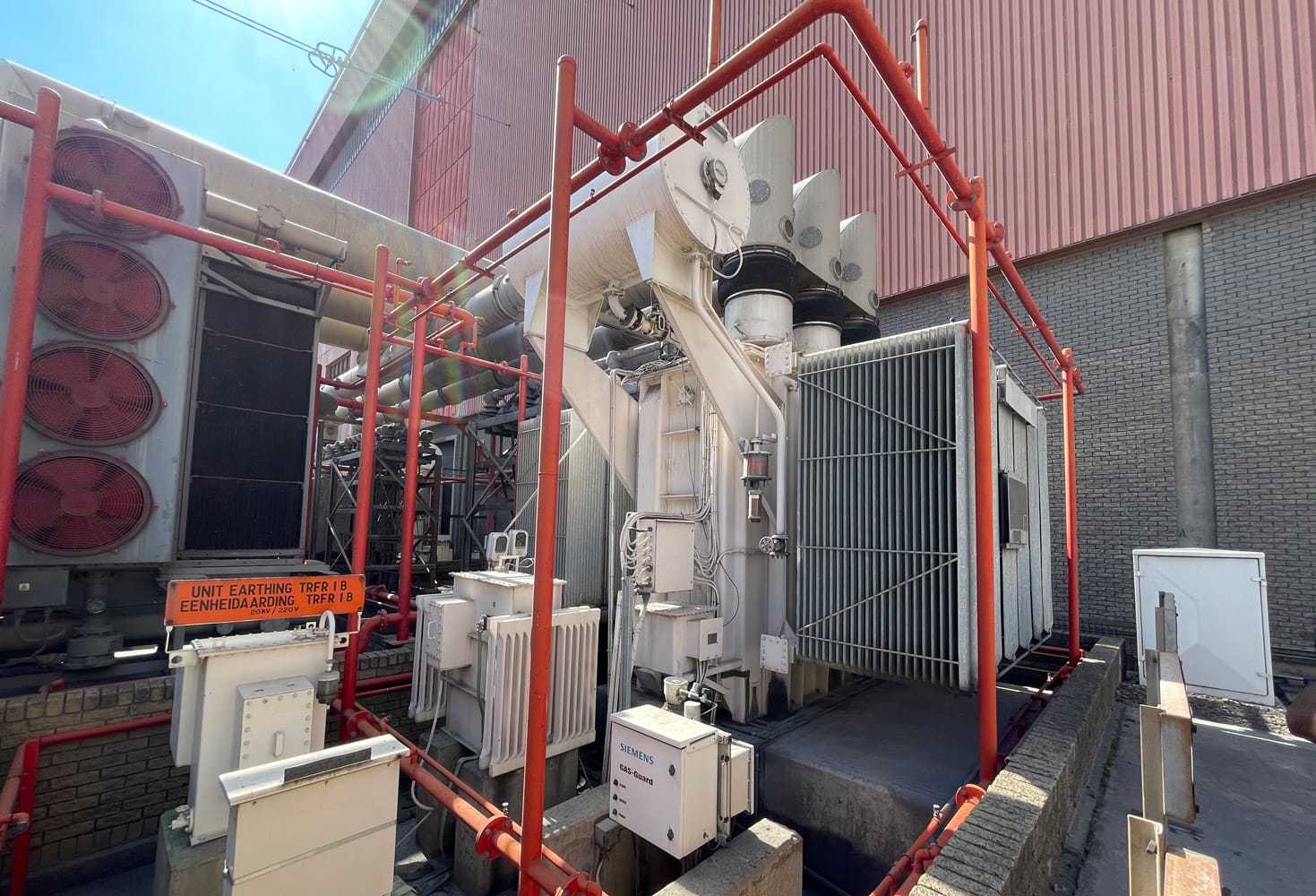
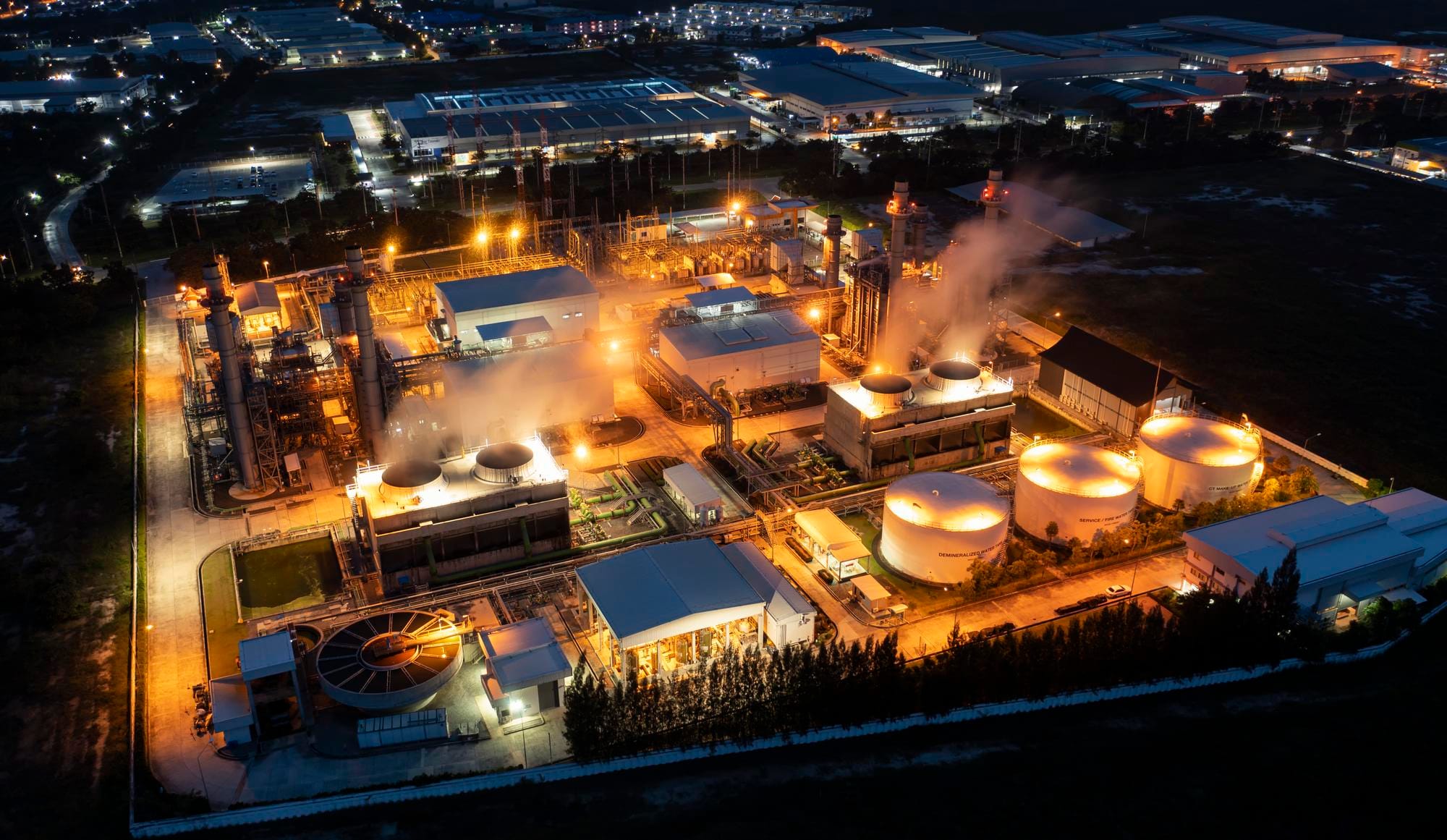
While large power transformers and substations are typically located outside these facilities, their availability is essential to ensure lighting, ventilation, signalling, life-support and emergency systems.
When upstream electrical assets fail, the impact is felt immediately at the human level.
In transport and critical facilities, electrical failures propagate from upstream assets to environments where human safety is directly affected.
Regulatory frameworks emphasize the need to protect electrical infrastructure supporting public safety-critical environments.
Ensuring safety in critical facilities requires protecting upstream electrical assets before failures reach populated environments.
Ensure uninterrupted operations in your critical facility.
In transport and critical facilities, electrical power availability underpins human safety.
Protecting upstream electrical infrastructure is essential to preventing downstream consequences where lives and essential services are at stake.