


For decades, transformer protection has focused on safeguarding individual assets.
Today, this approach is no longer sufficient.
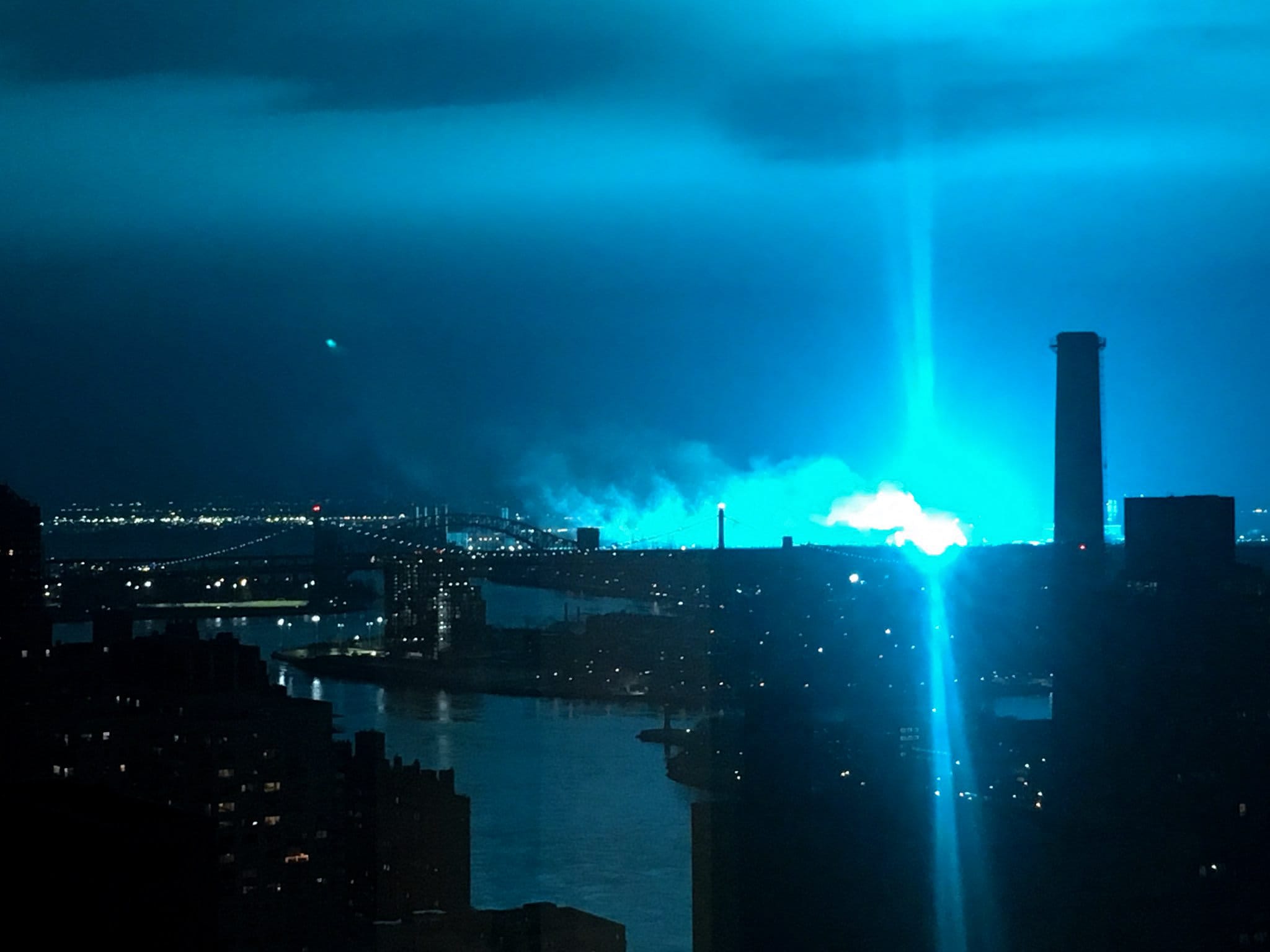
In highly interconnected and highly loaded power systems, the failure of a single critical transformer can compromise entire infrastructures, far beyond the boundaries of the asset itself.
Infrastructure resilience requires a shift:
from asset-level protection
to system-level risk management.
- The Limits of Asset-Centric Protection
Traditional protection strategies are typically designed to:
- protect individual equipment,
- ensure compliance at asset level,
- limit local damage.
While necessary, this approach assumes that:
- failures remain local,
- redundancy absorbs disturbances,
- recovery is rapid.
These assumptions are increasingly invalid.
- Why Modern Power Systems Are More Fragile Than They Appear
Several structural trends have changed the risk profile of electrical infrastructure:
- higher utilisation of existing assets,
- reduced redundancy due to cost and footprint constraints,
- integration of variable and decentralised generation,
- increased interdependence between regions and systems.
As a result:
Systems can become more vulnerable even as individual assets become more “protected”.
- When an Asset Becomes a Systemic Risk
Not all assets carry the same systemic weight.
A transformer becomes system-critical when:
- it concentrates large power flows,
- it has limited or no redundancy,
- its replacement time is measured in months or years,
- its failure triggers cascading effects.
In such cases:
Protecting the asset is no longer sufficient —
the infrastructure itself must be protected.
- Infrastructure Resilience as a Design Objective
Infrastructure resilience goes beyond failure prevention.
It encompasses the ability to:
- withstand extreme events,
- limit cascading effects,
- maintain essential services,
- and recover rapidly.
This requires protection strategies that:
- prioritise system-critical nodes,
- address catastrophic failure modes,
- integrate prevention, mitigation and recovery planning.
- The Role of Transformer Protection in Resilience
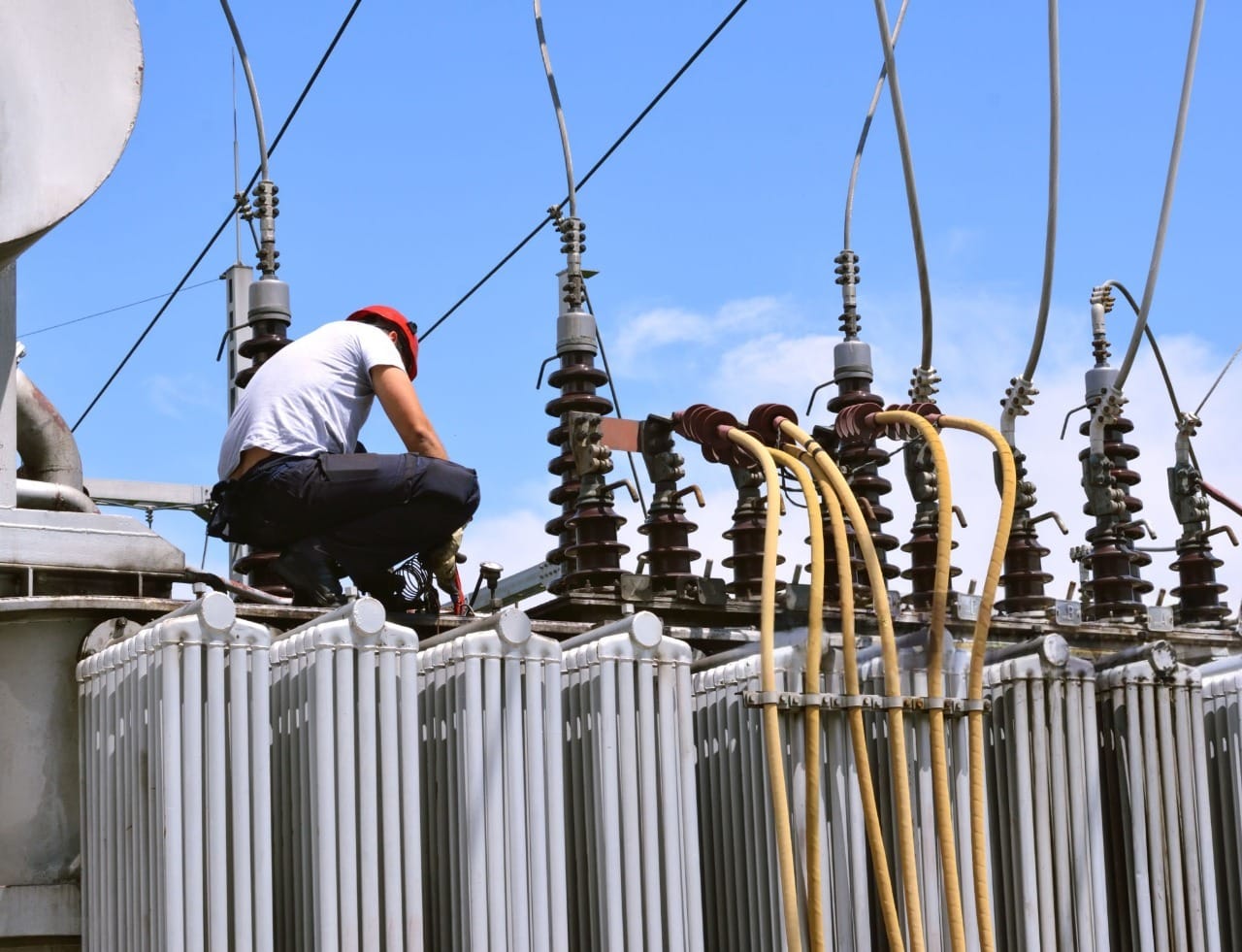
Transformers play a disproportionate role in infrastructure resilience because:
- they are few,
- they are critical,
- they are slow to replace.
Effective transformer protection therefore contributes directly to:
- grid stability,
- continuity of service,
- reduction of societal and economic impact during crises.
- From Compliance to Risk Governance
Infrastructure resilience cannot be achieved through compliance alone.
Standards define baselines.
Resilience requires:
- risk-based prioritisation,
- transparent trade-offs,
- and informed engineering judgement.
Resilience is a governance decision —
not a checklist outcome.
- Why This Insight Matters for Decision-Makers
For executives, regulators and insurers, shifting the focus from assets to infrastructure:
- clarifies where investment delivers the greatest risk reduction,
- explains why some failures have disproportionate impact,
- supports defensible prioritisation of protection measures.
The question is no longer “Is this asset protected?”
but “Can the infrastructure withstand its failure?”
Modern energy systems are not collections of independent assets.
They are complex, interdependent infrastructures.
Protecting them requires a shift in mindset:
from protecting equipment
to safeguarding the continuity of critical services.
<div style=”margin-top: 40px; padding-top: 20px; border-top: 1px solid #e5e5e5;”><a style=”display: inline-flex; align-items: center; justify-content: center; padding: 10px 18px; background-color: transparent; color: #0b2c4d; text-decoration: none; font-weight: 600; border: 1px solid #0B2C4D; border-radius: 3px; line-height: 1.2;” href=”/insight/when-transformer-protection-becomes-a-governance-decision/”>Reframe Protection at Infrastructure Level</a></div>
The question is no longer whether an asset is protected —
but whether the system can withstand its failure