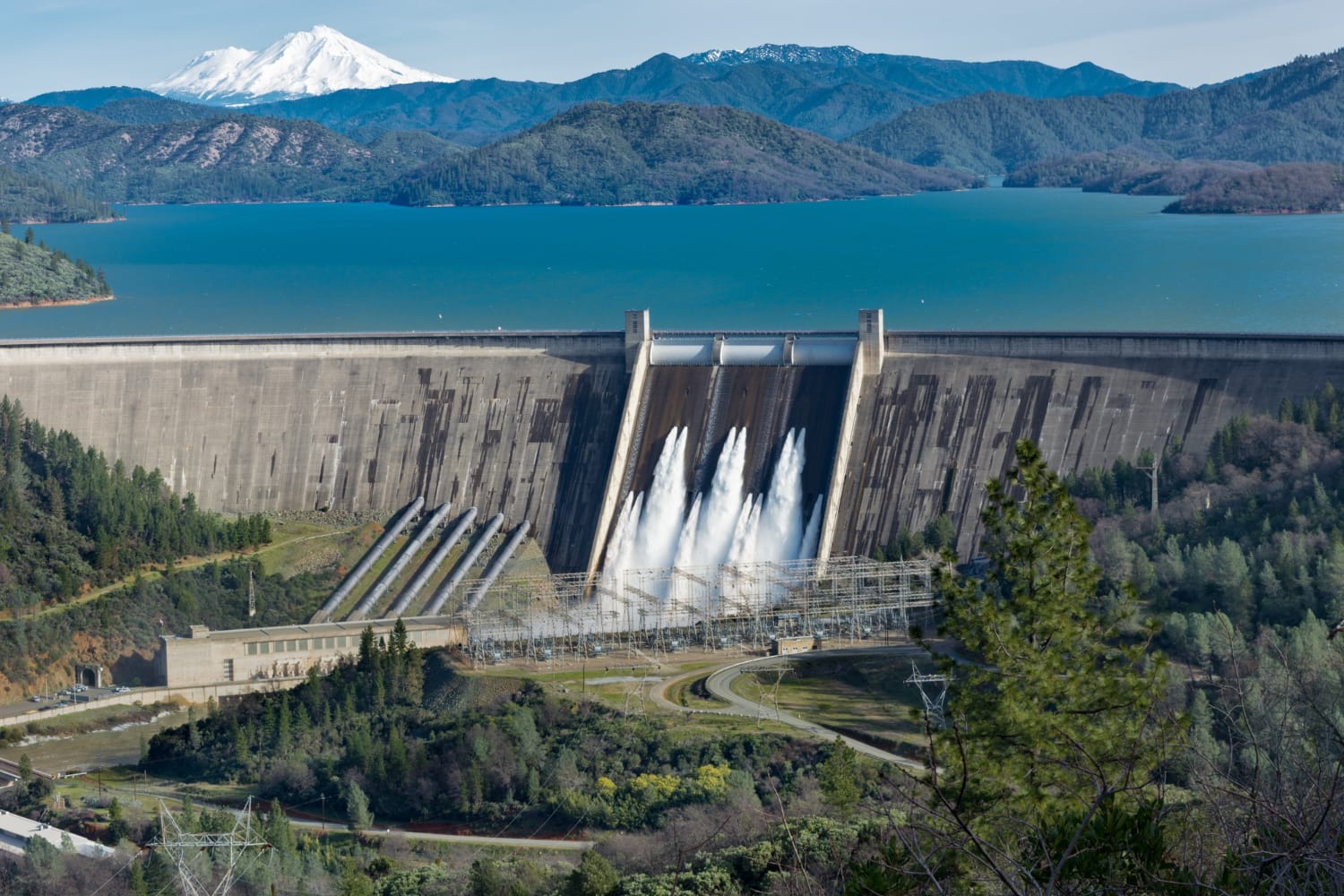



Context: A Real-World Activation in a Hydroelectric Power Plant
In large hydroelectric power plants, power transformers represent a single point of failure with consequences extending far beyond the asset itself.
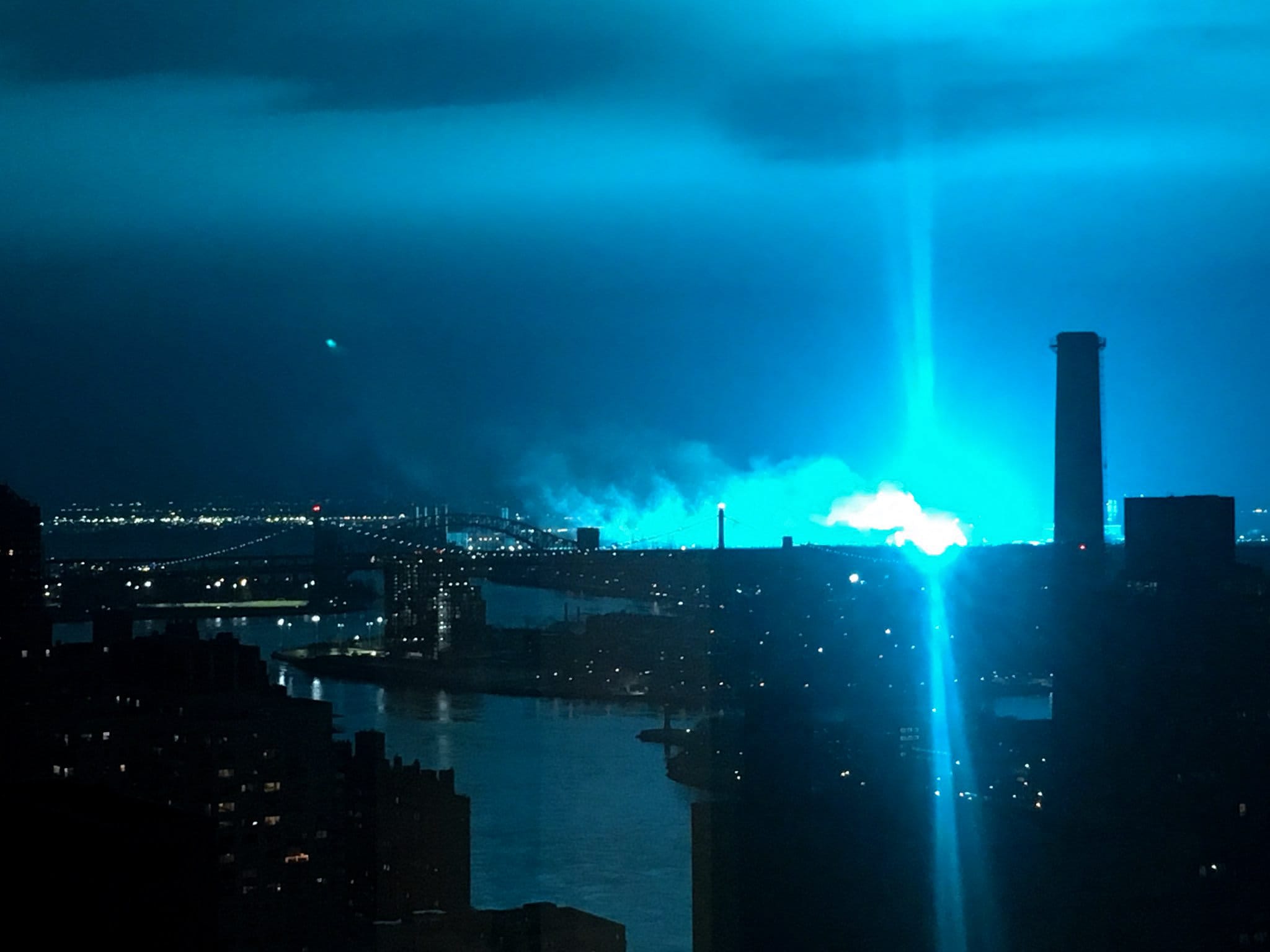
In this installation, a high-power oil-filled transformer experienced an internal fault event that triggered the activation of installed protection systems during normal plant operation.
The incident provided a rare opportunity to observe, under real operating conditions, how different protection mechanisms behave when a transformer failure actually occurs.
What Happened
During the internal fault:
- a rapid internal arc event occurred inside the transformer,
- oil vaporization generated a sudden pressure rise within milliseconds,
- installed protection systems activated as designed.
The event was fully documented by the operator and independent technical stakeholders, providing factual feedback on system behavior during an actual failure — not a laboratory simulation.
What This Event Demonstrates
This activation highlights a critical distinction that is often underestimated in transformer protection strategies:
Fire suppression and explosion prevention address different physical phenomena.
While fire-oriented systems may contribute to limiting secondary combustion effects, they are not designed to manage the initial dynamic pressure wave generated by an internal arc fault.
Once the first pressure peak is reached, structural rupture and escalation mechanisms may already be irreversible.
This event confirms that the decisive moment occurs within the first milliseconds, before thermal or fire-related countermeasures can influence the outcome.
Lessons for Infrastructure Operators and Insurers
This real-world activation reinforces several engineering principles relevant to utilities, insurers, and authorities:
- Transformer failure escalation is driven by dynamic internal pressure, not by fire alone.
- Protection strategies must be evaluated against real internal fault physics, not only steady-state or post-fire scenarios.
- The effectiveness of a protection system cannot be assessed solely on component presence, but on measured response time and physical behavior during failure.
- Documented field activations provide a level of credibility that no theoretical claim can replace.
From Incident Observation to Defensible Engineering Decisions
Events like this underline why transformer protection decisions must remain technically defensible.
For critical infrastructure, the question is not whether protection exists — but whether it can be justified when a real failure occurs, under scrutiny from insurers, regulators, and operational stakeholders.
Engineering judgment, validated through independent testing, simulations aligned with real events, and documented operational feedback, remains essential.
SERGI Perspective
For more than seven decades, SERGI has focused on understanding and addressing the physical failure mechanisms that drive catastrophic transformer escalation.
Rather than relying on theoretical assumptions, SERGI’s approach is grounded in:
- real internal fault behavior,
- multiphysics engineering,
- independent validation,
- and long-term operational feedback across critical infrastructure environments.
This activation illustrates why last-line mechanical protection must be engineered for reality — not for simplified scenarios.
Discuss This Activation with an Engineering Expert
Every transformer configuration is unique.
Voltage levels, oil volume, tank geometry, and system constraints directly influence failure dynamics and protection effectiveness.
SERGI engineering experts are available to discuss how the lessons from this activation apply to your specific installation.
👉 Talk to a SERGI Engineering Expert
This insight is based on documented operational feedback and independent technical publications related to a real hydroelectric power plant activation.