


Context: When failure is no longer local
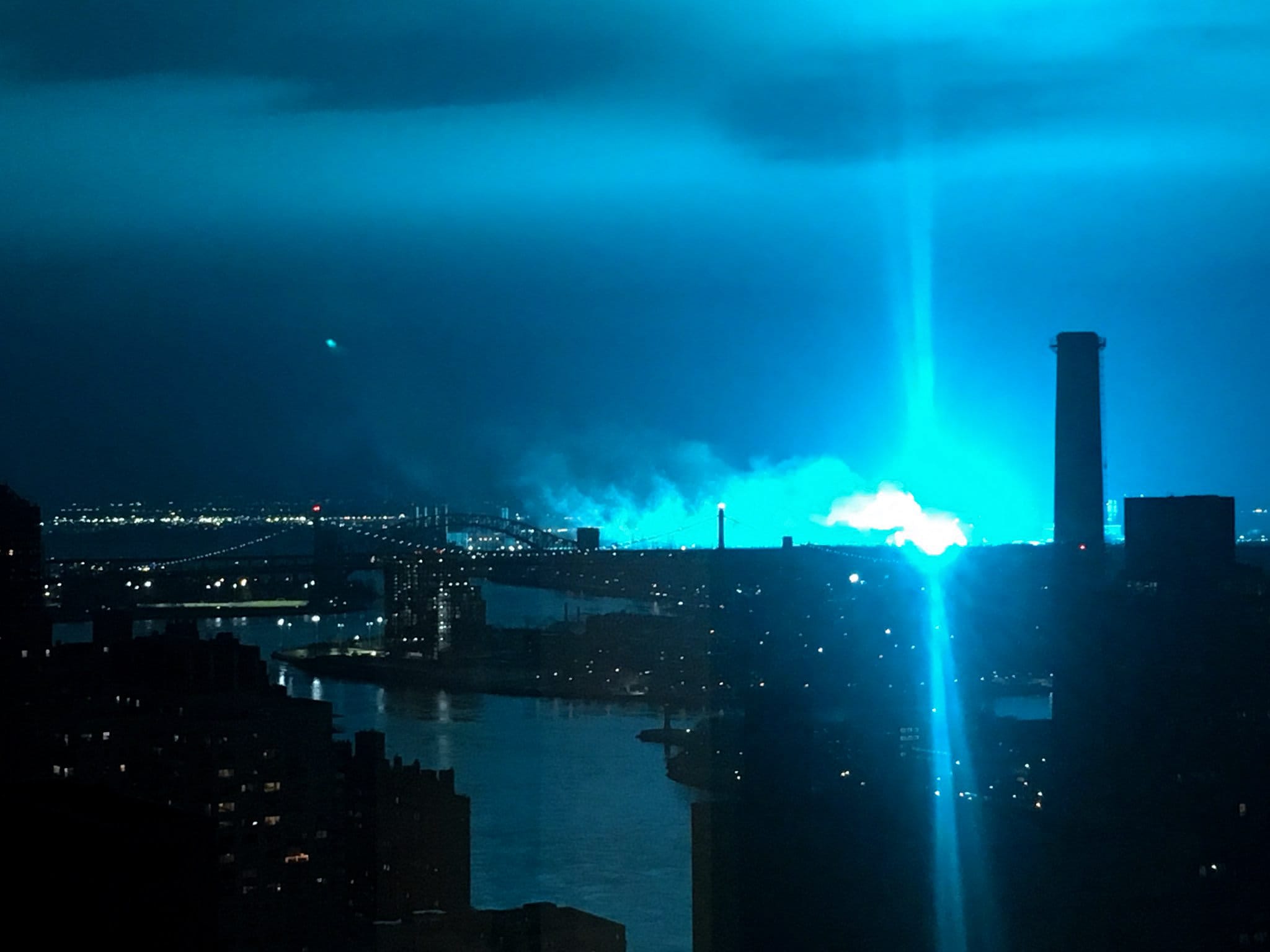
In dense urban environments, high-voltage substations are no longer isolated technical assets.
They are embedded within cities, surrounded by public spaces, buildings, transportation corridors, and critical services.
In such configurations, the failure of a single oil-filled power transformer can no longer be treated as a localized equipment event. It becomes a systemic urban risk, with potential consequences extending far beyond the substation boundary.
This insight is based on a real indoor substation configuration in North America, representative of multiple installations worldwide where transformer failure scenarios cannot be mitigated through conventional fire protection approaches alone.
Why indoor substations change the risk equation
Indoor and confined substations introduce a fundamentally different risk profile compared to open-air installations:
- Limited space for pressure dissipation
- Structural confinement amplifying mechanical stress
- Proximity to personnel and public areas
- No feasible evacuation or exclusion zone during an internal fault
- Immediate reputational, regulatory, and legal exposure
In these environments, the acceptability of residual risk becomes the primary decision driver.
Understanding the physical failure mechanism
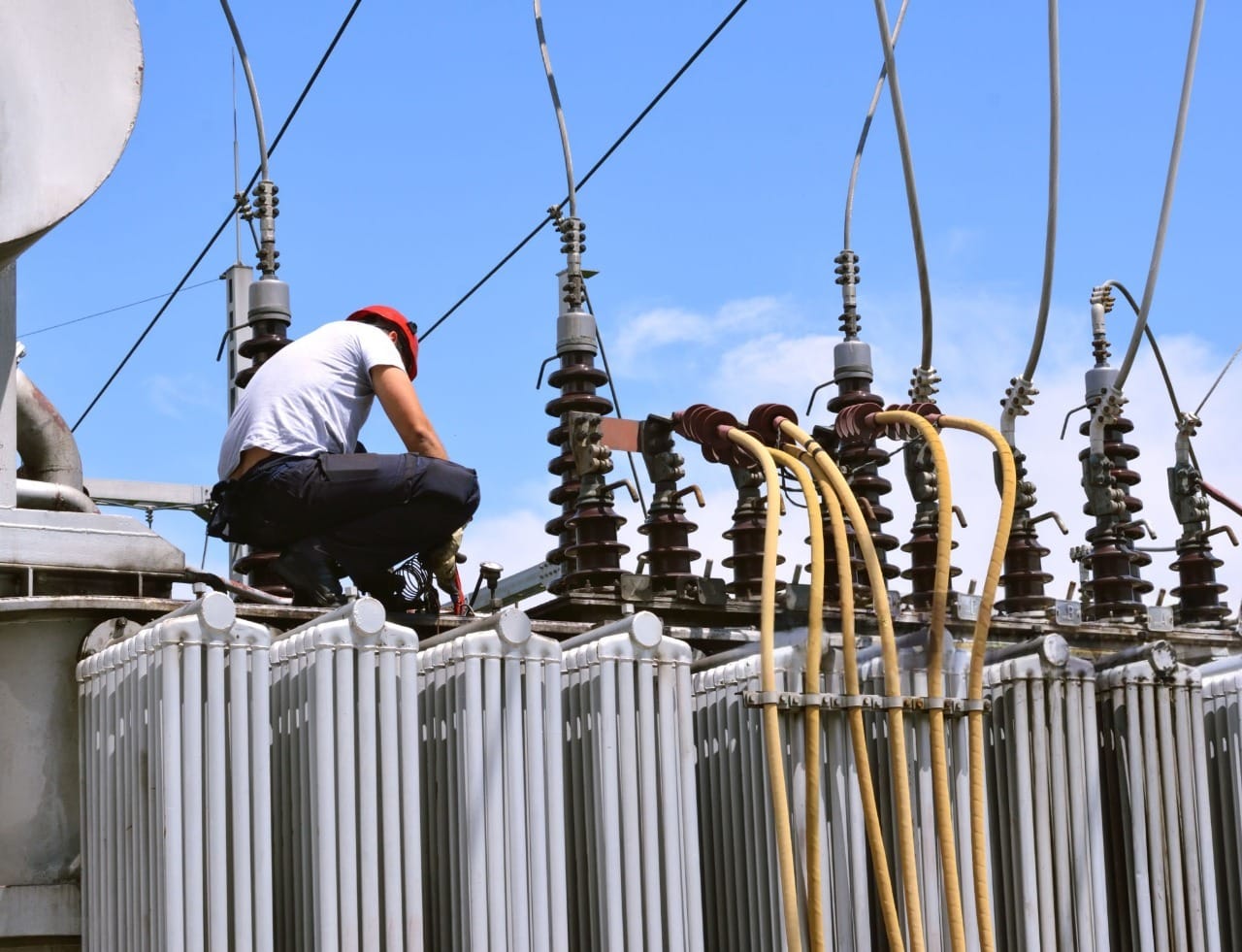
Transformer failures follow well-identified physical mechanisms:
- An internal electrical fault initiates an arc
- The arc rapidly vaporizes insulating oil
- Large volumes of gas are generated within milliseconds
- A dynamic pressure wave propagates inside the tank
- Static pressure continues to rise after the initial event
- Mechanical rupture may occur before conventional protections react
Crucially, the timescale of catastrophic escalation is measured in milliseconds, while most detection, relay, and suppression systems operate on longer time horizons.
Limits of conventional protection approaches
In dense and confined installations, traditional protection systems show inherent limitations:
- Fire suppression systems address ignition and flame propagation — not pressure rise
- Pressure relief valves are designed for static overpressure — not dynamic pressure waves
- Electrical relays isolate the fault electrically — after mechanical escalation has begun
- Emergency intervention is impossible within the critical time window
These approaches can mitigate consequences, but they do not prevent the initiating mechanical failure sequence.
Engineering decision logic in urban environments
In high-exposure installations, the engineering question shifts from:
“How do we manage the consequences of a fire?”
to:
“How do we prevent mechanical rupture from occurring at all?”
This requires addressing the physical phenomenon itself, rather than relying solely on detection or response systems.
For operators, insurers, and authorities, the objective is not theoretical risk reduction — it is defensible decision-making under real failure conditions.
Protection philosophy: acting before escalation
In confined substations, effective protection must:
- Act within the same timescale as pressure generation
- Function passively, without reliance on electronics or external power
- Be aligned with real transformer configurations (voltage, oil volume, geometry)
- Limit mechanical stress before irreversible rupture occurs
This philosophy does not replace fire protection or electrical protection — it complements them by addressing the failure mechanism upstream.
What this case demonstrates
This representative urban configuration highlights several critical principles:
- Transformer protection cannot be one-size-fits-all
- Indoor substations require protection strategies tailored to confinement and exposure
- Prevention and mitigation are fundamentally different objectives
- Engineering decisions must be justified against real physical behavior, not assumptions
- Residual risk must be explicitly understood, documented, and accepted
Selecting an unproven solution in such environments exposes operators to unquantified residual risk that cannot be defended when a real failure occurs.
From qualification to defensible decisions
In high-consequence environments, trust in protection systems is not built on claims — it is built on:
- Independent testing under representative conditions
- Validation aligned with real internal fault scenarios
- Documented operational feedback
- Consistency with international standards and insurer expectations
SERGI supports infrastructure operators in moving from engineering qualification to defensible protection decisions, grounded in physical reality and long-term operational experience.
Discuss a comparable configuration
Every indoor substation presents a unique combination of voltage level, oil volume, confinement, and exposure.
If you are responsible for an indoor or urban transformer installation and need to assess whether your current protection strategy is defensible, SERGI’s engineering experts can help evaluate:
- What can realistically be prevented
- What can only be mitigated
- Where residual risk remains — and why