



- Home
- Risks & Protection
- Protection Strategies
Protection Strategies
Proactive, Reactive and Mechanical Defence
From risk assessment to rapid depressurisation, learn how to protect critical transformers and ensure continuity.
Preventing transformer incidents is not only about stopping the initial fault — it is about preventing systemic escalation across interconnected assets.
Prevention: Avoiding Failures Before They Happen
Avoiding Faults Before They Happen
Risk Assessment & Engineering Studies
Site-specific risk assessments identify credible failure mechanisms, escalation pathways, and operational constraints (layout, access, outage windows, containment). This defines where prevention ends and where fast mechanical response becomes necessary.
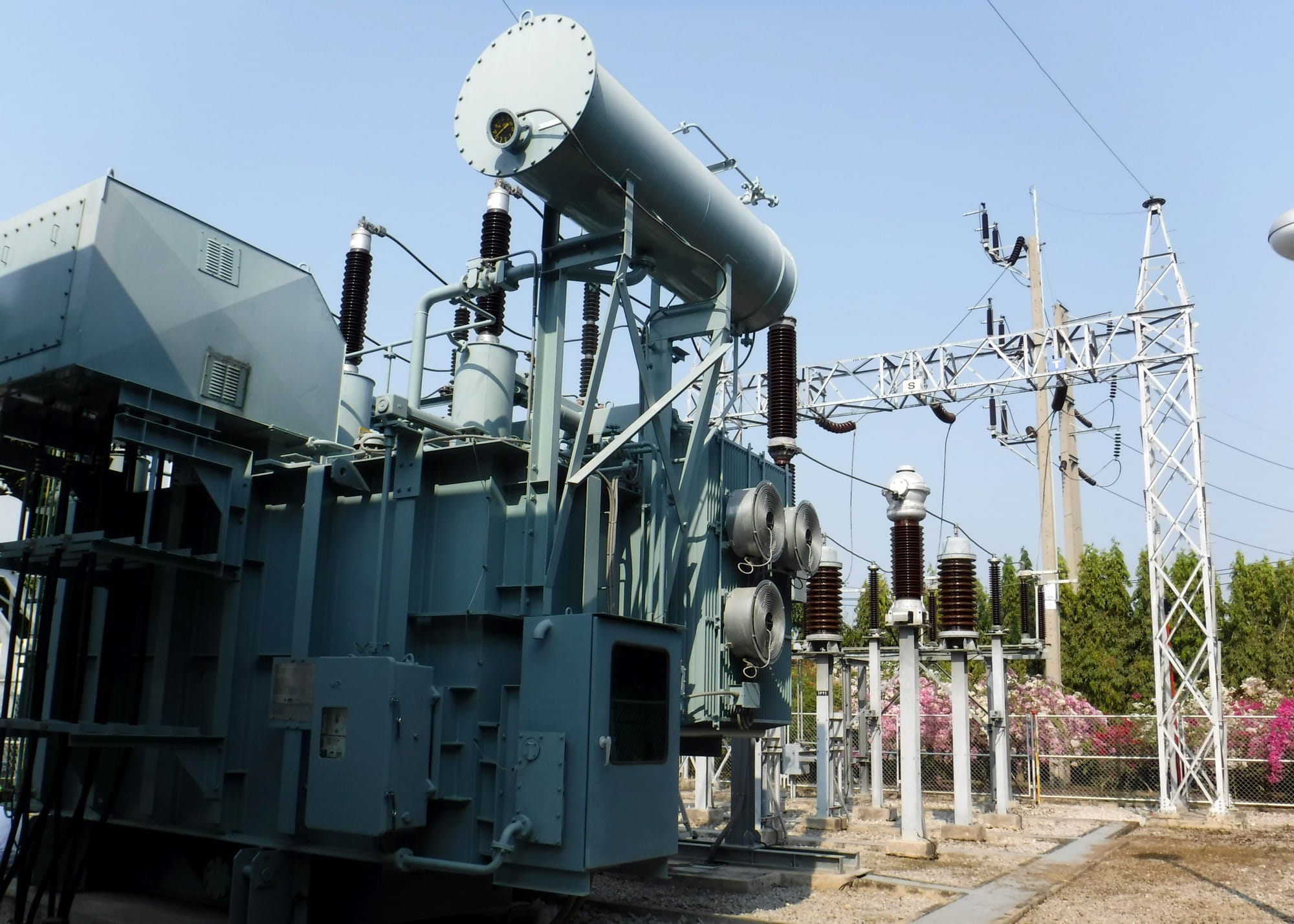
Large power transformers (LPTs) are custom-built assets with long replacement lead times. When they fail, system operators may face prolonged unavailability, constrained capacity and complex recovery logistics.
Mitigation: Containing and Controlling Incidents
When prevention fails, the first milliseconds determine whether an incident remains local — or becomes catastrophic.
Protection strategies combine prevention, rapid mechanical response and consequence mitigation, designed around credible failure mechanisms and site constraints.
Our approach
SERGI’s explosion prevention solutions are based on a single, consistent physical principle: rapid mechanical pressure relief during the first milliseconds following an internal arcing fault.
This principle underpins both the fully integrated Transformer Protector and the modular HS2D architecture, ensuring continuity, scalability and long-term reliability across applications.
Mechanical Protection: The Last Line of Defence
Best Practices & Normative Guidance
- Transformer Explosion Risk
- Transformer Fire Risk
- Domino & Systemic Effects
- See Relevant Industries
Engineering Criteria to Qualify a Transformer Protection Solution
For infrastructure operators, insurers and authorities, selecting a transformer protection solution requires objective engineering criteria — not marketing claims.
- Full-scale or representative testing on oil-filled transformers
- Validated simulations aligned with real internal fault events
- Field installations on medium and large power transformers
- Severe efficacy testing in qualified laboratories
- Documented operational feedback over time
Selecting an unproven solution exposes operators to unquantified residual risk.
From Engineering Qualification to Defensible Protection Decisions
Once a protection solution has been technically qualified, the remaining question is not whether protection is desirable — but whether the selected solution can be defended when a real failure occurs.
SERGI supports infrastructure operators in moving from engineering qualification to defensible protection decisions, grounded in real operating conditions, documented performance, and physical failure mechanisms.
In critical infrastructure environments, defensible engineering decisions matter more than theoretical protection concepts.