



- Home
- Risks & Protection
- Transformer Fire Risk
Transformer Fire Risk
Fire Propagation, Consequences and Prevention
Transformer fires typically occur after a loss of mechanical containment, when hot oil and gases ignite in contact with air.
Transformer fires are often the visible consequence of internal faults and tank rupture — once ignition occurs, damage propagates rapidly beyond the initial asset.
Why Do Transformer Fires Occur?
High-voltage bushings or tap changers can fail, creating an electric arc in the transformer oil.
In milliseconds, this arc vaporizes oil, producing gases and a dynamic pressure surge, leading to violent escalation.
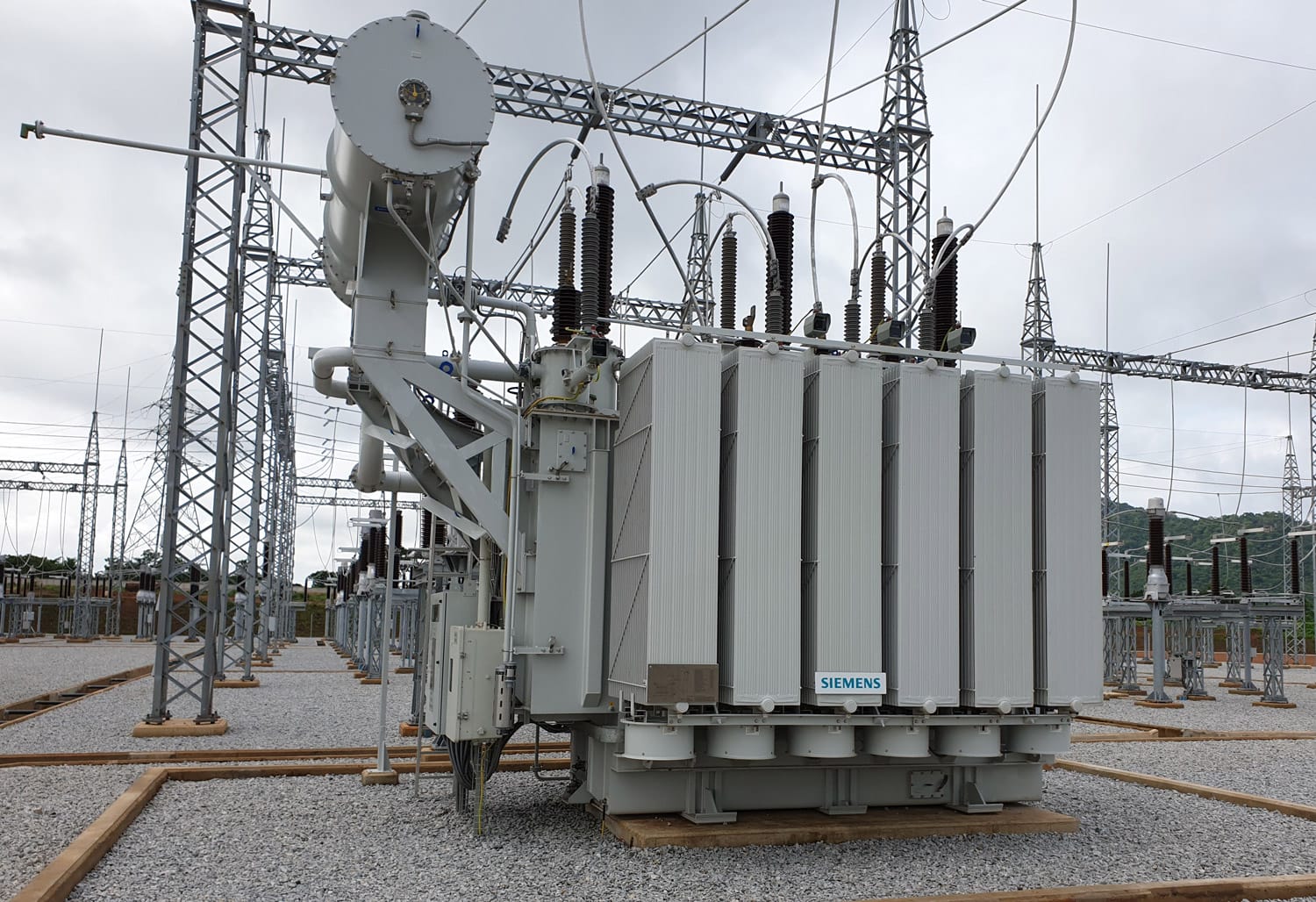
A transformer fire begins with an electrical fault that vaporizes insulating oil, creating a rapid pressure spike. Without immediate relief, the tank ruptures and ignites.
Transformer fires are most often a consequence of internal faults and loss of containment: hot oil and gases are expelled and may ignite upon contact with air.
Consequences of Transformer Fires
Human & Equipment Safety
Fires endanger personnel; blast, flying debris and heat can cause severe damage. Limited access, secondary ignition and cascading failures increase overall risk.
Once ignition occurs, fire propagation becomes difficult to control, increasing exposure to personnel, adjacent assets, and critical infrastructure.

From Fire Risk to Containment Strategy
While transformer fires are often the visible outcome of failure, effective protection depends on preventing loss of containment and limiting fire propagation once ignition occurs.
What This Means for Your Site
The relevance of explosion protection depends on transformer design, oil volume, confinement, and proximity to critical assets. These parameters vary significantly between sites.