



You are here:
- Home
- Solutions & Engineering
- Fire & Consequence Mitigation
Fire & Consequence Mitigation
Nitrogen Injection Systems – Technical Scope & Limitations
Nitrogen Injection Fire Protection Systems are designed as fire mitigation technologies for oil-filled transformers.
Their primary function is to reduce or extinguish an oil fire after ignition by displacing oxygen and limiting combustion.
These systems are therefore conceptually comparable to fire extinguishing approaches, with the advantage of not relying on water.
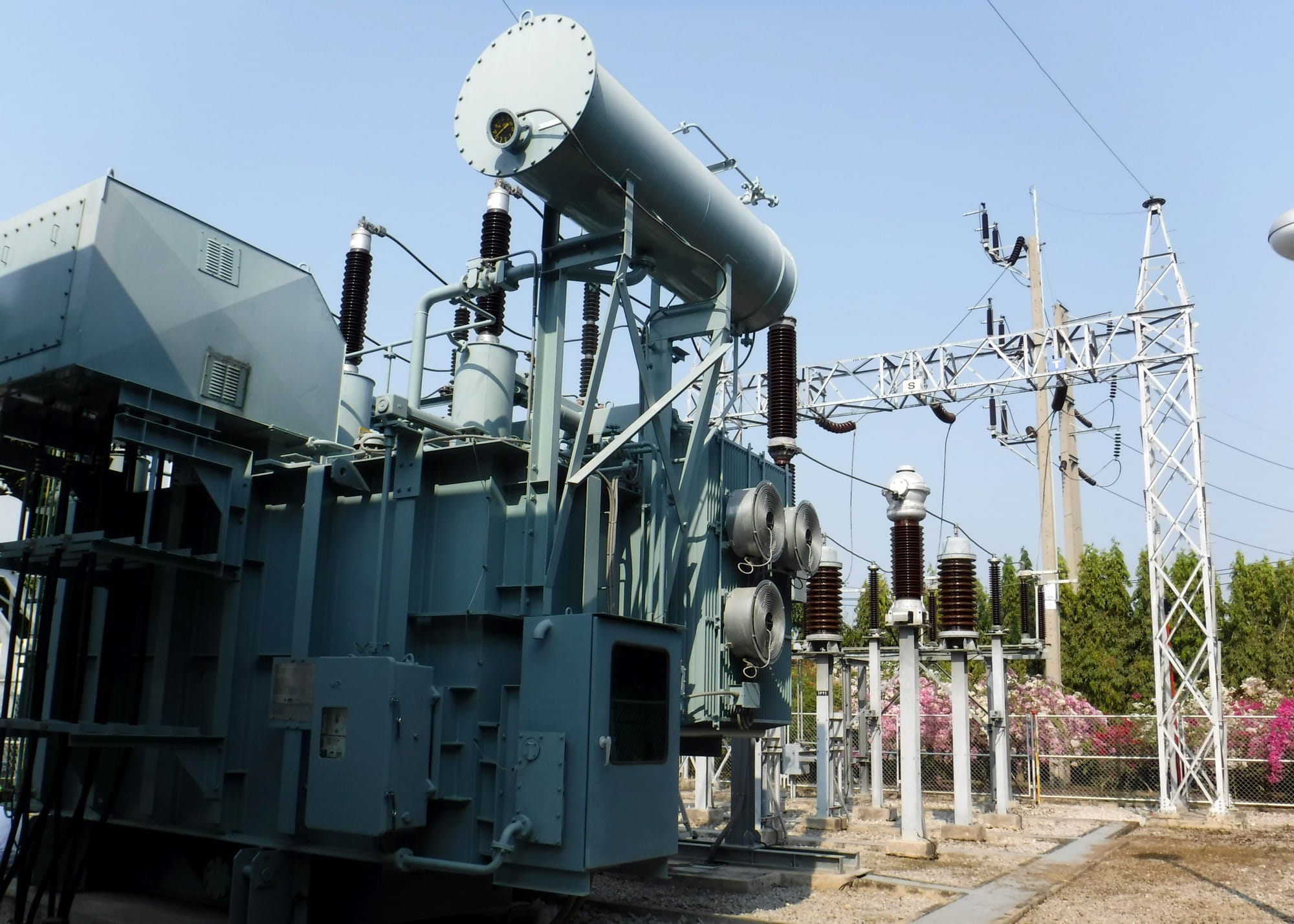
1. Purpose of Nitrogen Injection Systems
Key distinction
- Fire mitigation addresses combustion after rupture.
- Explosion prevention requires pressure relief before rupture.
2. How Nitrogen Injection Systems Are Typically Activated
- PRV, P, V or Buchholz relay + master trip
- Differential + fire detector + master trip
Transformer system
System activation depends on electrical signals and protection relays.
- Response time is limited by the slowest signal in the logic chain
- Activation occurs after fault detection, not at the onset of the mechanical event.
Independent engineering studies of DIPEST, international test references, CIGRE, IEEE, KEMA, CEA, PES, CEA 2005, Manufacturers white papers.
3. Mechanical Constraints During Rapid Internal Faults
Dynamic Pressure vs Drainage Capacity
- Discharge connection diameter of approximately 6 inches, significantly smaller
- Typical discharge piping exits the transformer
- Installed on more than 15,000 units worldwide, under surge conditions
Independent engineering analysis & public test results.
Valve Design Limitations
- Butterfly valves
- Flow restriction
- Pressure losses inherently
- Non-linear opening behavior under dynamic conditions
4. Interaction Between Depressurization and Nitrogen Injection
Independent assessments indicate that:
- Nitrogen injection systems may start after fire ignition, limiting mitigation effectiveness.
- In those cases, a time window exists where rapid pressure evacuation is required.
5. Observed Field Performance and Institutional Feedback
Field Incidents Documented via Public Records
Multiple Right to Information (RTI) disclosures in India have documented transformer fire and explosion events where nitrogen injection systems were present but did not prevent rupture.
This principle underpins CIGRE’s current technology roadmap and aligns with international best practice.
Central Energy Authority (India) Position
- Transformer Explosion Risk
- Transformer Fire Risk
- Protection Strategies
- Mechanical Fast Depressurization Systems