



You are here:

Transport & Critical Facilities

Where Power Availability Directly Impacts Human Safety

In environments with high human density and safety-critical systems, loss of electrical power can have immediate consequences for people and essential services.

Airports, hospitals, metro systems and water infrastructure depend on continuous electrical power to maintain safety-critical functions.
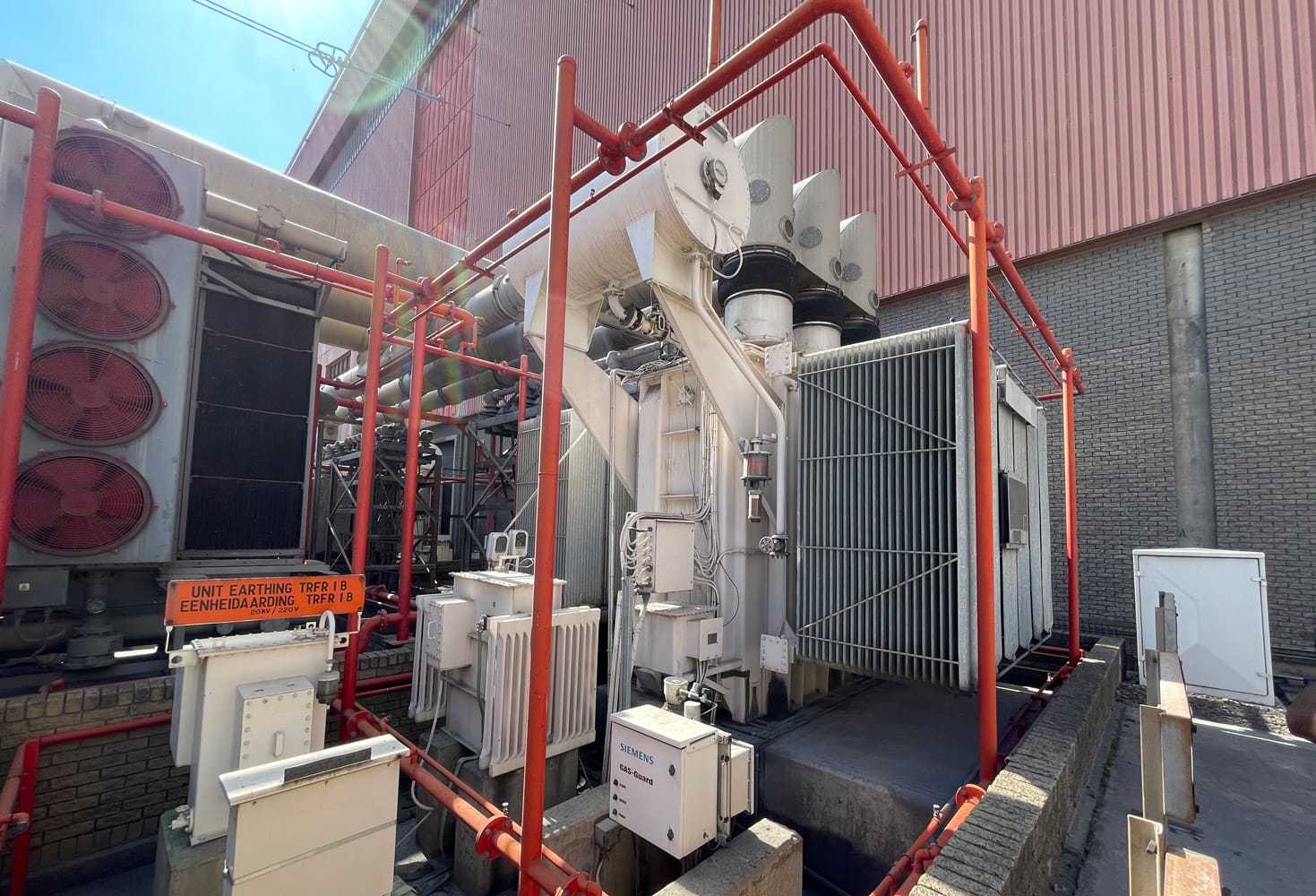
While large power transformers and substations are typically located outside these facilities, their availability is essential to ensure lighting, ventilation, signalling, life-support and emergency systems.
When upstream electrical assets fail, the impact is felt immediately at the human level.

Essential Environments

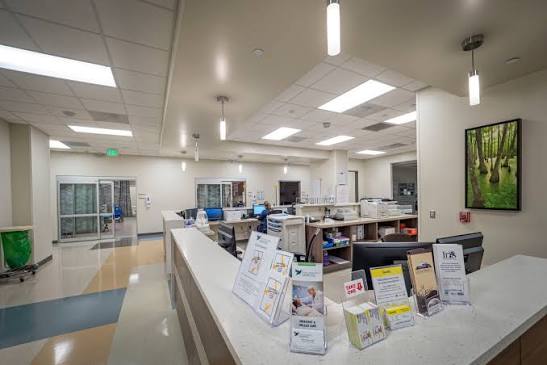
Hospitals & Healthcare Facilities

Life-support systems, intensive care units and emergency services rely on uninterrupted power. Loss of electrical supply can directly impact patient safety within minutes.
Water & Wastewater Infrastructure

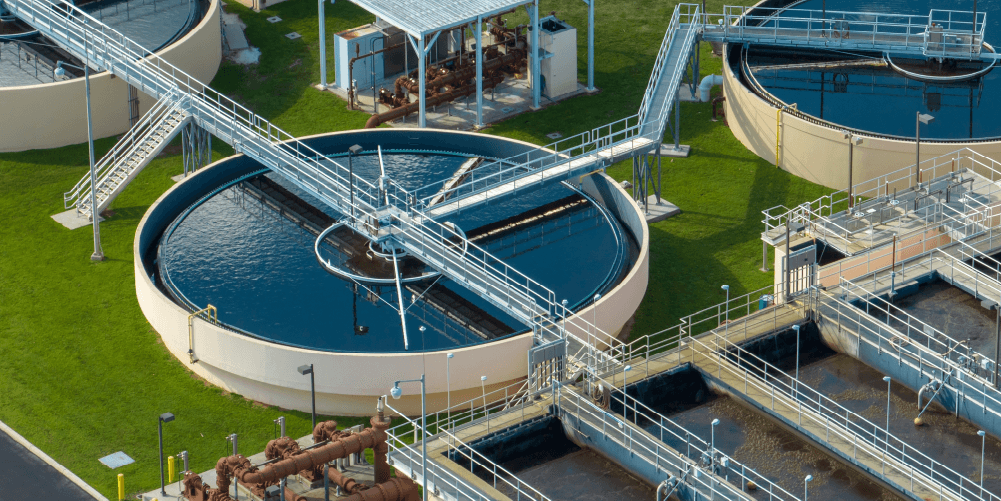
Water treatment, pumping and distribution systems depend on continuous electrical power. Outages can compromise public health, fire protection and sanitation services.
Airports

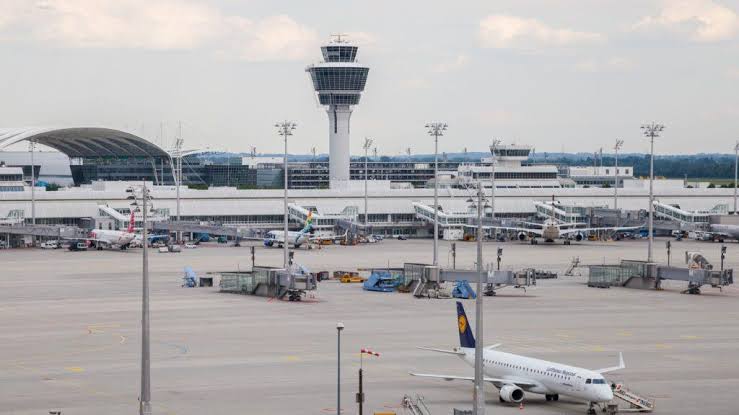
Large, densely populated environments rely on uninterrupted power for safety, security, navigation and operations. Electrical failures can rapidly disrupt critical services and evacuation capabilities.
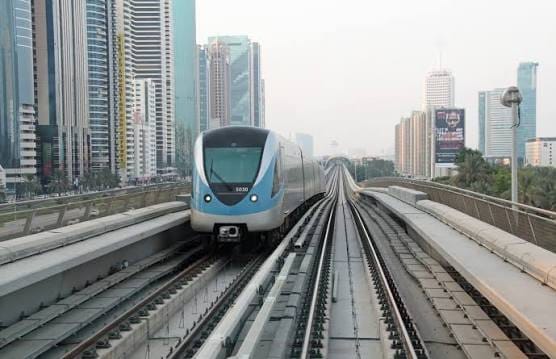
Rail & Metro Stations

Signalling, communications, traction power and ventilation systems depend on reliable electrical supply. Tunnels amplify safety risks when power is lost, particularly during peak operation.
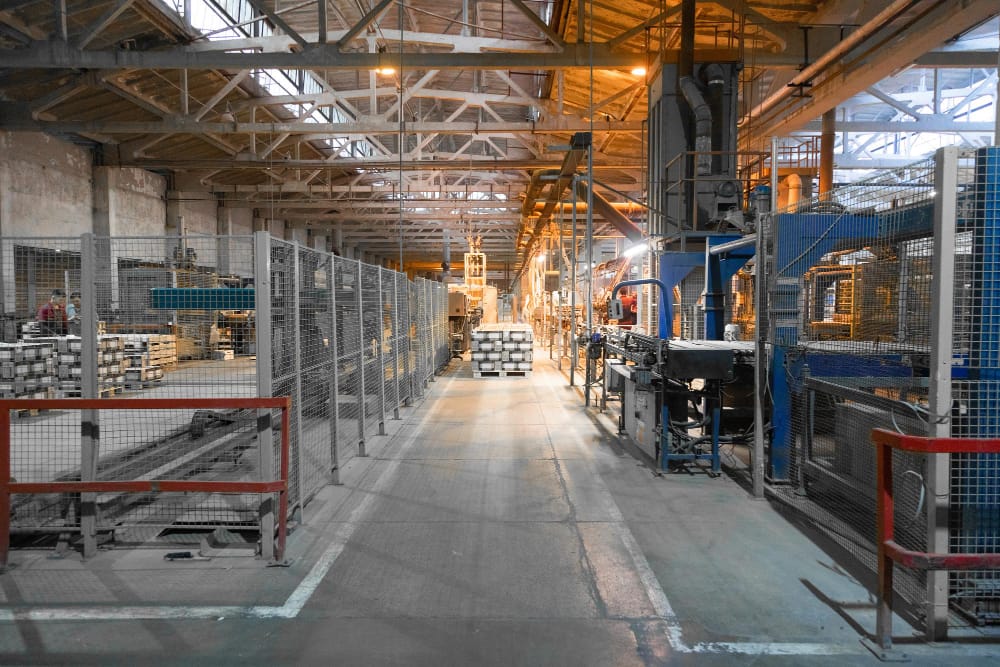
Risks & Failure Modes

In transport and critical facilities, electrical failures propagate from upstream assets to environments where human safety is directly affected.

Harsh Environments

Transformers often run near capacity in hot, dusty, and vibrating areas. Upstream electrical assets often operate under severe conditions near urban and critical facilities.

40 Years

Aging electrical infrastructure increases the likelihood of unplanned outages affecting critical services.

Months to Replace

Bespoke units take months to manufacture, test, and transport once damaged.

Standards & Compliance

Regulatory frameworks emphasize the need to protect electrical infrastructure supporting public safety-critical environments.

NFPA 850

Regulation for power plants and heavy industry transformers, addressing hazard group techniques and fire protection.

IEC / IEEE

SERGI solutions meet international manufacturing and safety standards for industrial transformers.

Ensuring safety in critical facilities requires protecting upstream electrical assets before failures reach populated environments.

Why SERGI for Transport & Critical Facilities?

Ensure uninterrupted operations in your critical facility.

Operational Evidence

Operational deployments have shown that protecting upstream transformer assets can reduce failure risk and help maintain continuity of transport services during peak operation.

In transport and critical facilities, electrical power availability underpins human safety.
Protecting upstream electrical infrastructure is essential to preventing downstream consequences where lives and essential services are at stake.