


Executive Framing (C-level)
Transformer failures rarely remain local events.
In highly interconnected power systems, the failure of a single critical transformer can trigger cascading effects that extend far beyond the initial asset.
Understanding domino effects is essential for assessing real infrastructure risk, designing effective protection strategies, and ensuring continuity of service at network level.
1. From Asset Failure to Systemic Event
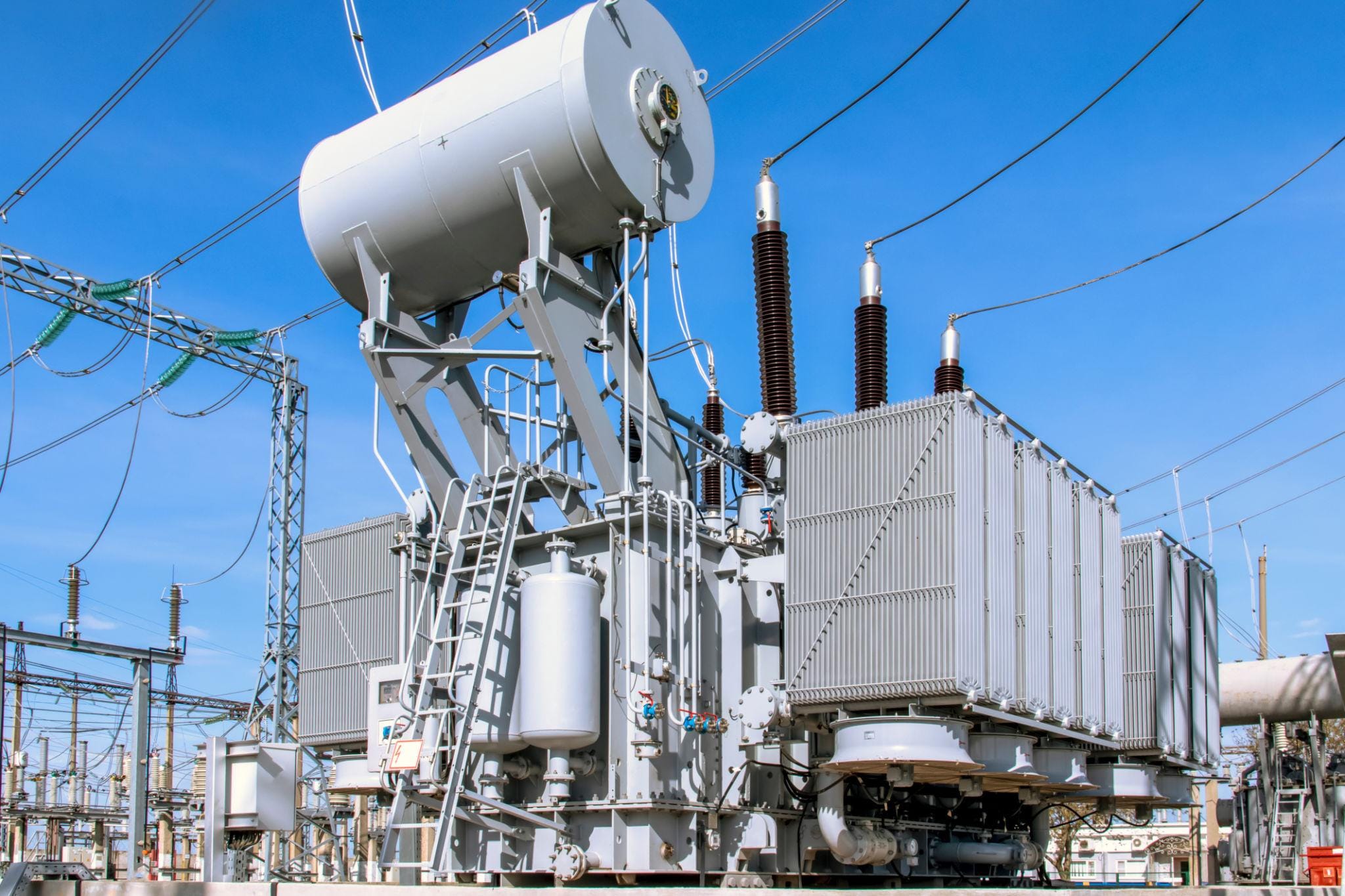
In isolation, a transformer is an asset.
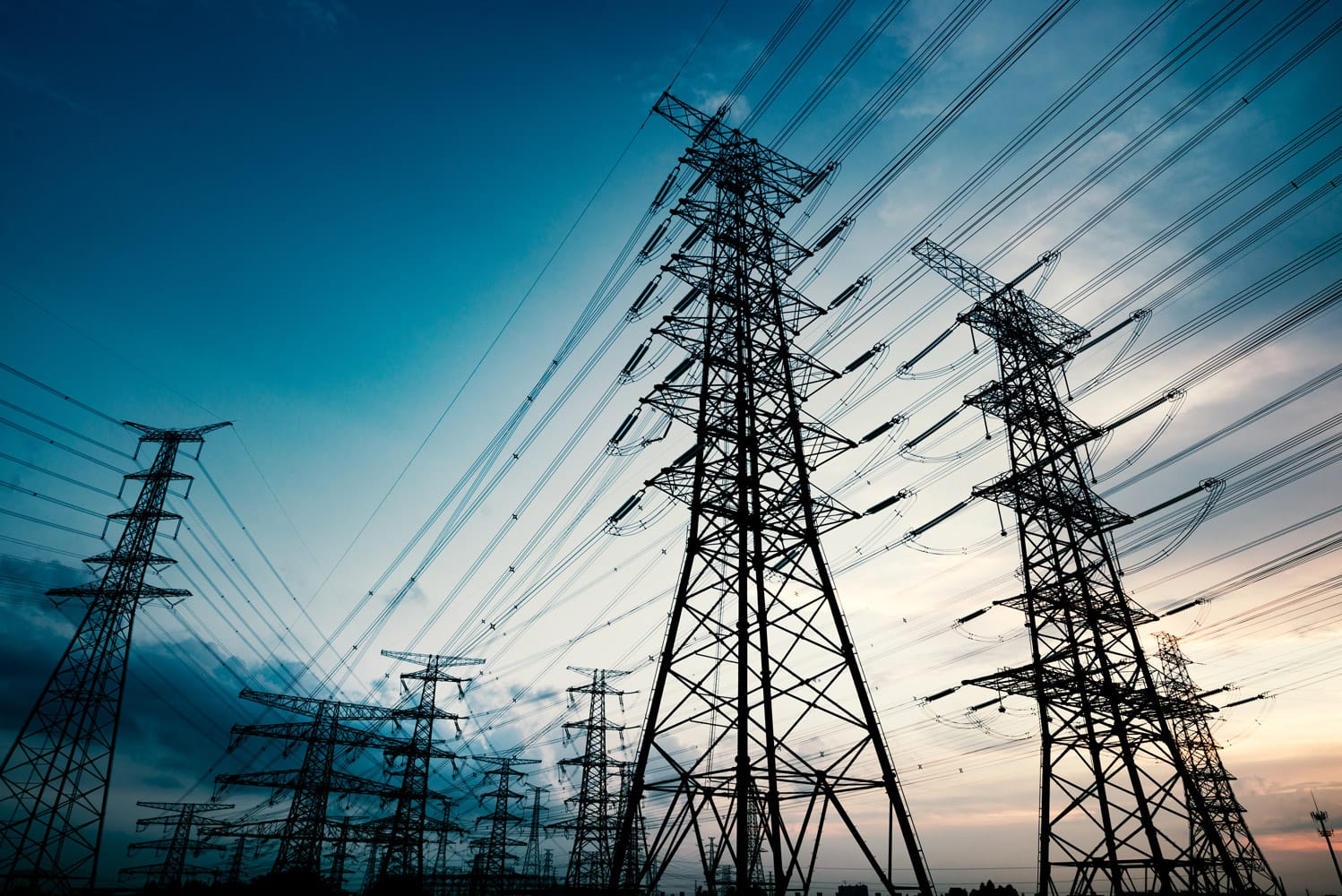
Within a power system, it is a node in a tightly coupled network.
When a critical transformer fails:
- power flows are instantaneously redistributed,
- neighbouring equipment experiences abnormal loading,
- protection systems may trip additional elements to preserve stability.
What begins as a local incident can quickly evolve into a network-level disturbance.
2. Why Transformers Are Central to Domino Effects
Large power transformers occupy a unique position in electrical networks:
- they concentrate very high power levels,
- they are not easily redundant,
- they have long replacement times, often measured in months or years.
As a result:
The loss of a single transformer can remove an entire corridor of transmission or generation capability.
This makes transformers prime initiators of cascading failures.
3. Typical Domino Effect Sequence
A simplified but representative sequence includes:
Step 1 — Initial Transformer Failure
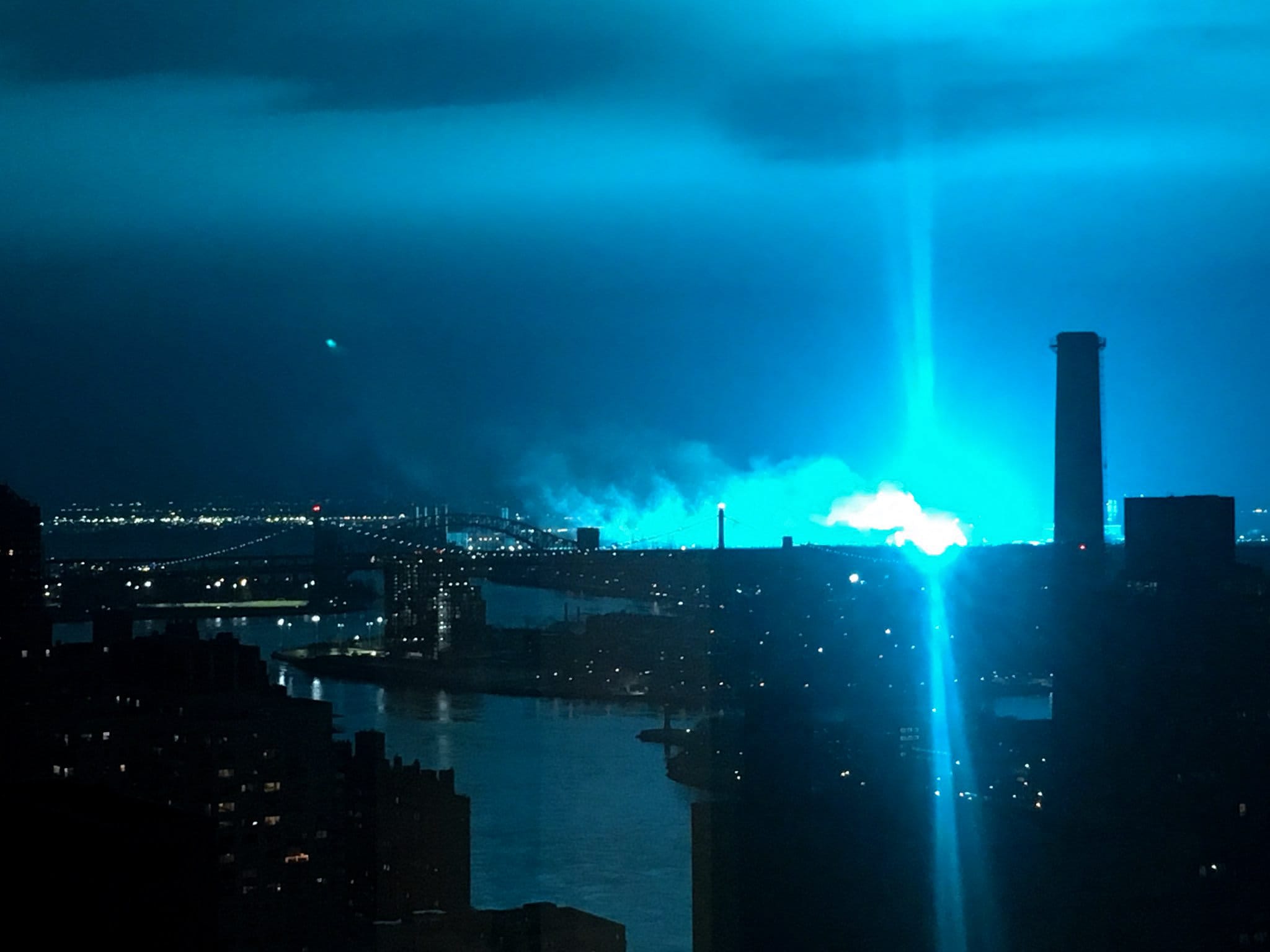
An internal fault leads to transformer rupture, explosion or forced outage.
Step 2 — Load Redistribution
Power flows are redirected to parallel paths and neighbouring substations.
These assets may already be operating near their limits.
Step 3 — Secondary Trips and Overloads
Protection systems operate to prevent equipment damage, disconnecting additional lines or transformers.
Each protective action reduces system flexibility.
Step 4 — Cascading Disconnection
As margins erode, further disconnections occur, potentially leading to:
- widespread outages,
- loss of generation evacuation,
- instability across entire regions.
Step 5 — Extended Recovery
Even after network stabilisation:
- the failed transformer remains unavailable,
- system redundancy is reduced for an extended period,
- operational risk remains elevated.
4. Why Domino Effects Are Often Underestimated
Domino effects are frequently underestimated because:
- risk assessments focus on individual assets rather than network behaviour,
- protection is evaluated locally rather than systemically,
- historical incidents are analysed in isolation.
This leads to an illusion of resilience:
“The system survived previous incidents, so it will survive the next one.”
In reality, increasing network loading and complexity continuously reduce safety margins.
5. The Role of Protection in Limiting Cascading Effects
Protection strategies influence domino effects in two fundamental ways:
Preventing the Initiating Event
If the initial transformer failure is prevented or contained, the cascade does not start.
Limiting Escalation
If failure occurs, limiting mechanical destruction and collateral damage:
- reduces outage duration,
- preserves nearby assets,
- supports faster system recovery.
Both dimensions are critical for system-level resilience.
6. Domino Effects in Modern Power Systems
Several trends increase exposure to cascading failures:
- higher utilisation of existing assets,
- reduced redundancy due to cost pressure,
- integration of variable generation,
- increased system interdependence.
As a result:
Events that were once manageable can now propagate much further.
7. Implications for Infrastructure Resilience
Recognising domino effects leads to a shift in protection philosophy:
- from protecting individual assets,
- to protecting system functionality.
This requires:
- identifying truly critical nodes,
- understanding network interdependencies,
- prioritising protection where failure would have disproportionate impact.
Domino effects are therefore a governance and system-design issue, not merely a technical one.
8. Why This Insight Matters for Decision-Makers
For operators, insurers and authorities, domino effects explain:
- why certain incidents escalate unexpectedly,
- why local compliance does not guarantee system resilience,
- why protection investment must be prioritised based on systemic impact.
The cost of failure is not measured at asset level — it is measured at system level.
Closing Thought
Domino effects transform local failures into systemic crises.
Understanding how and why they occur is essential for designing protection strategies that safeguard not only assets, but the continuity of critical energy infrastructure.