



Nuclear
Regulatory scrutiny, availability requirements, reputational impact.
Energy infrastructure operates under radically different conditions — yet is exposed to the same underlying physical risk mechanisms.
This website is designed as a decision-support platform for operators, insurers and authorities managing high-consequence transformer risks.
Across nuclear facilities, offshore platforms, industrial plants, data centers and power networks, oil-filled power transformers are system-critical assets.
They underpin energy generation, transmission and distribution — and their failure can rapidly disrupt essential services and entire value chains.
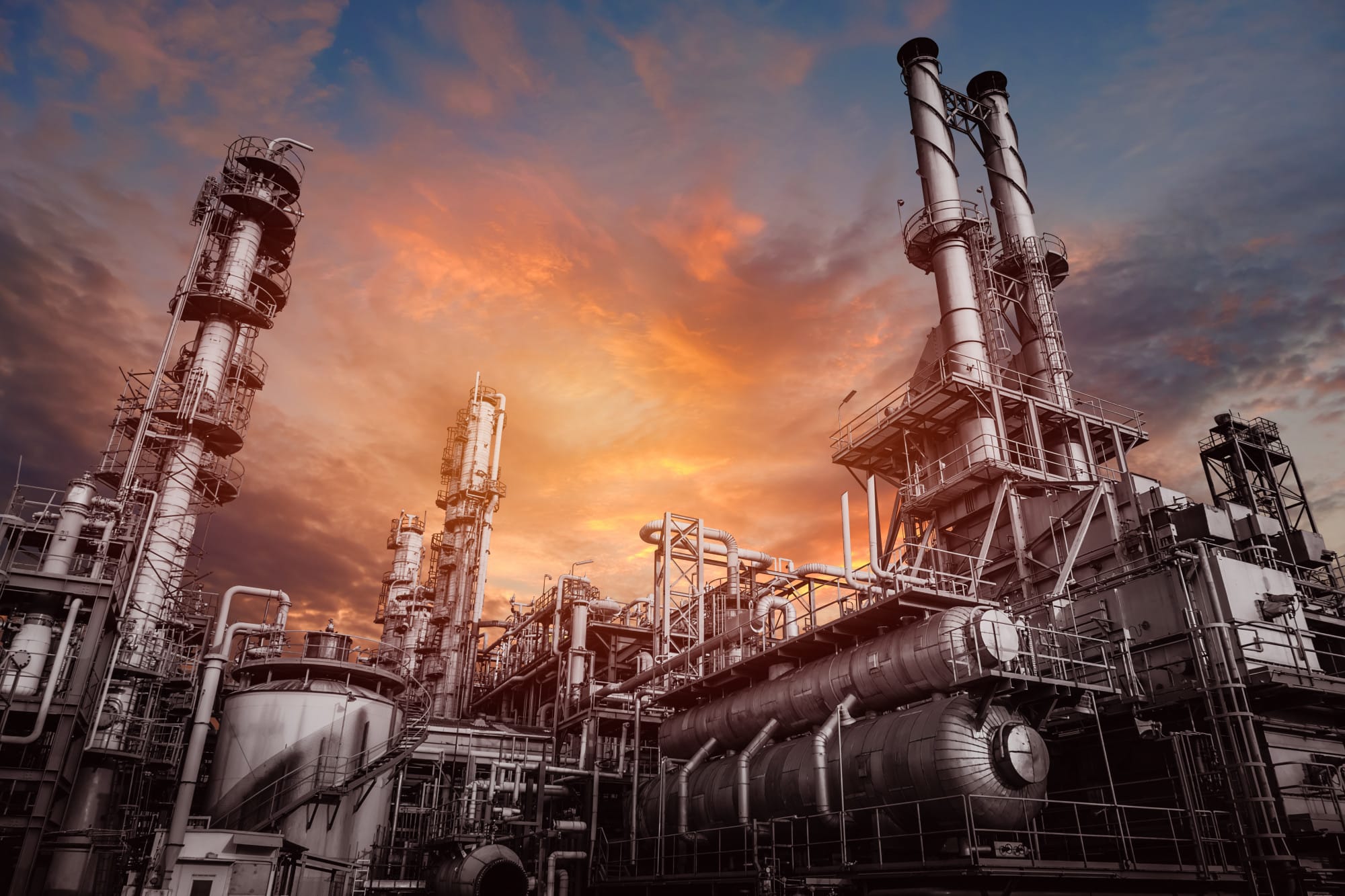
While operating contexts differ, the most critical risks remain the same:
This mechanism is driven by physics, not by industry type or operating context.
Each industry faces distinct operational constraints, regulatory pressures and tolerance for service interruption — requiring protection strategies adapted to context, not to physics.
The following pages describe the specific constraints, regulatory environments and operational realities that shape risk management decisions in each industry.
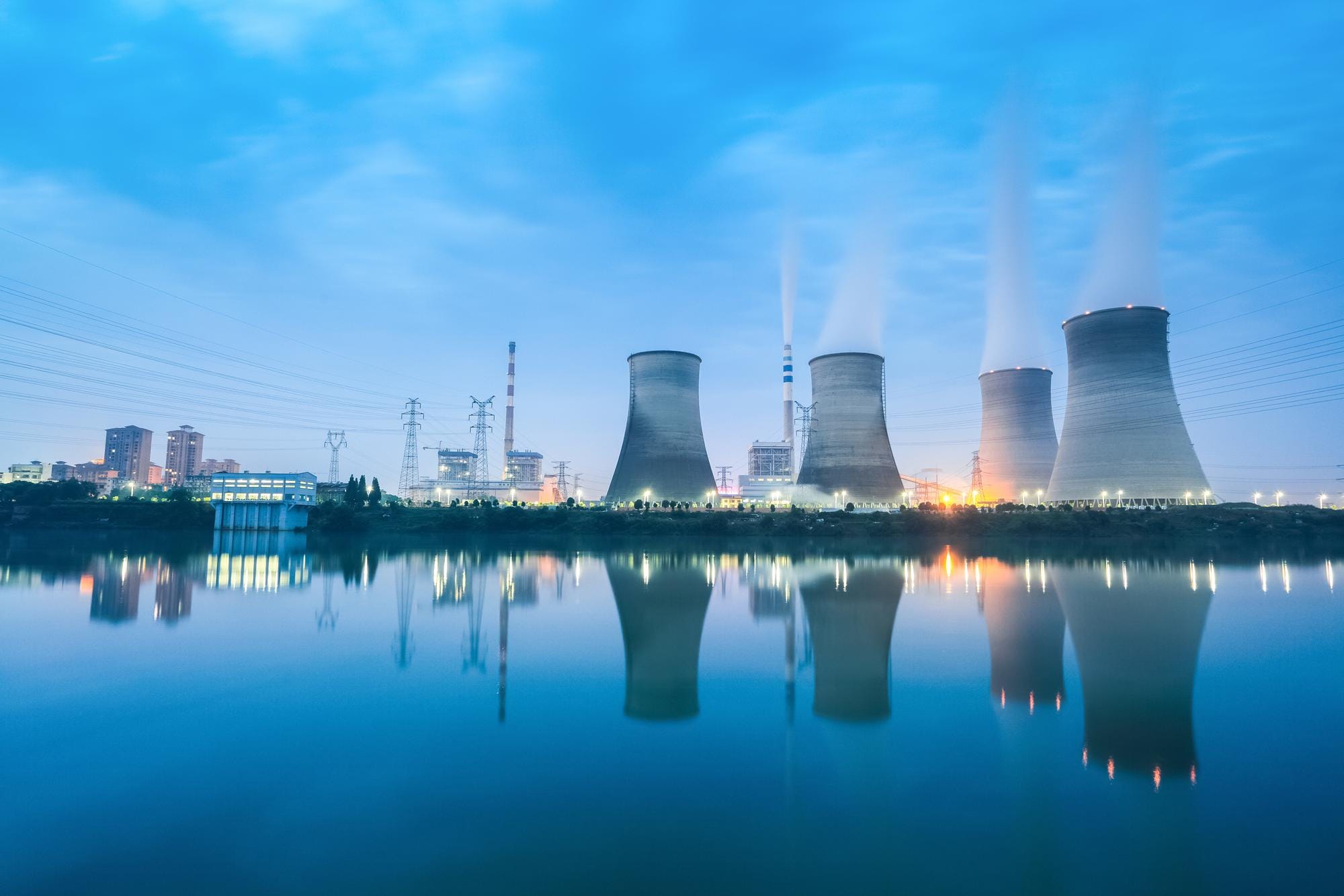
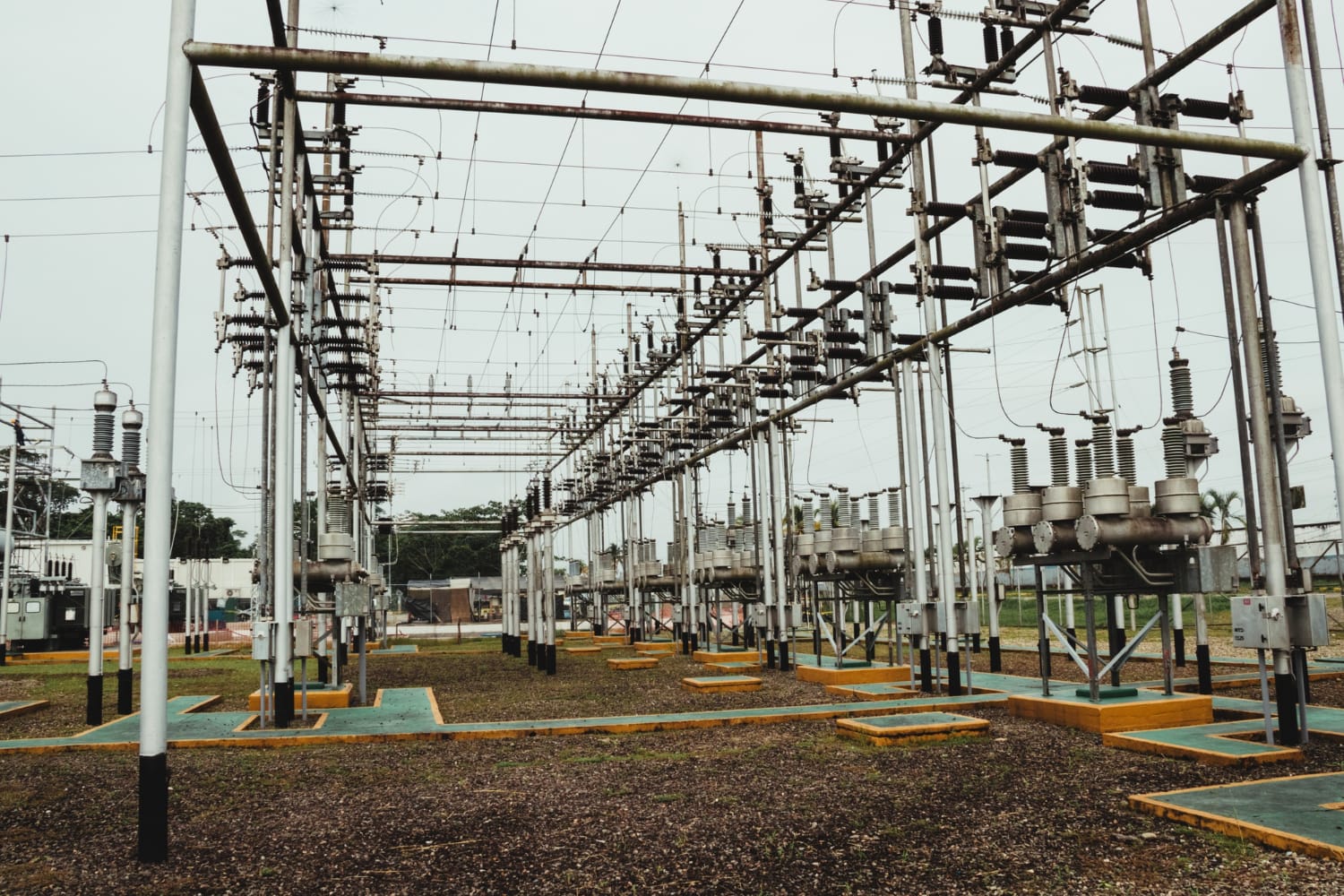
From generation to distribution, continuity depends on resilient and protected infrastructure.
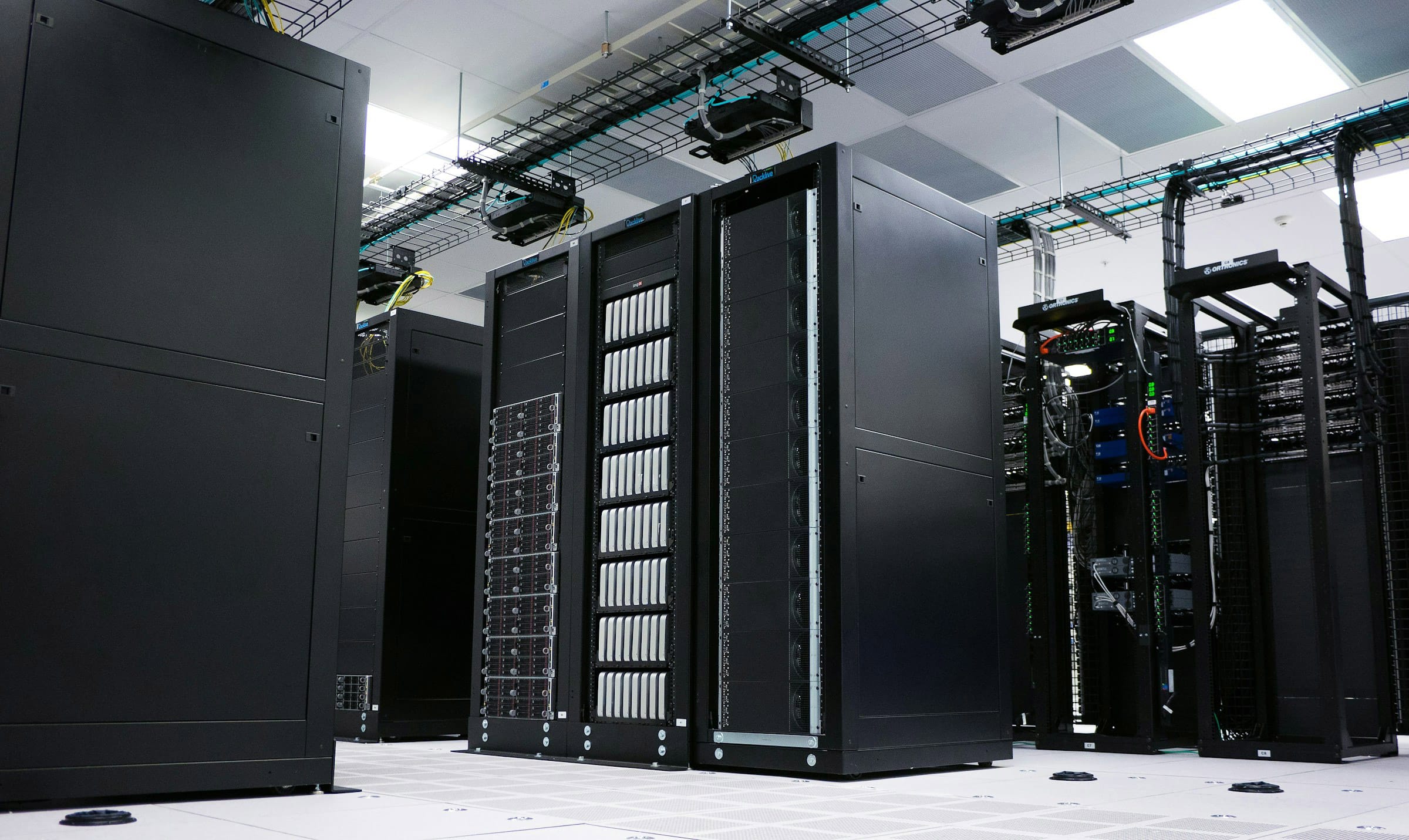
Data centers rely on a limited number of high-power transformers to ensure continuous operation.
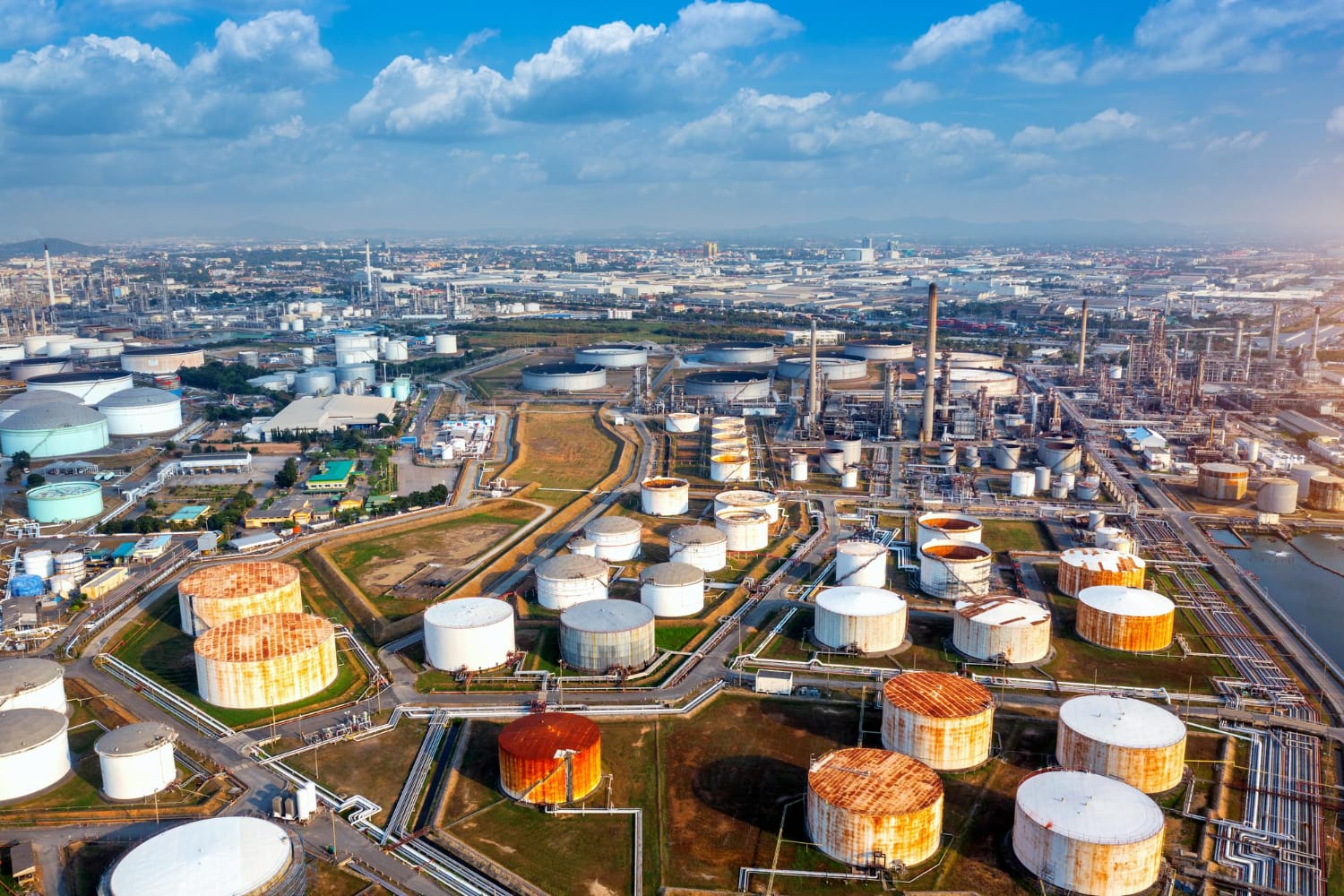
Confined spaces, hazardous atmospheres, offshore exposure, change management complexity.

In airports, rail stations, tunnels and hospitals, an outage is not an option
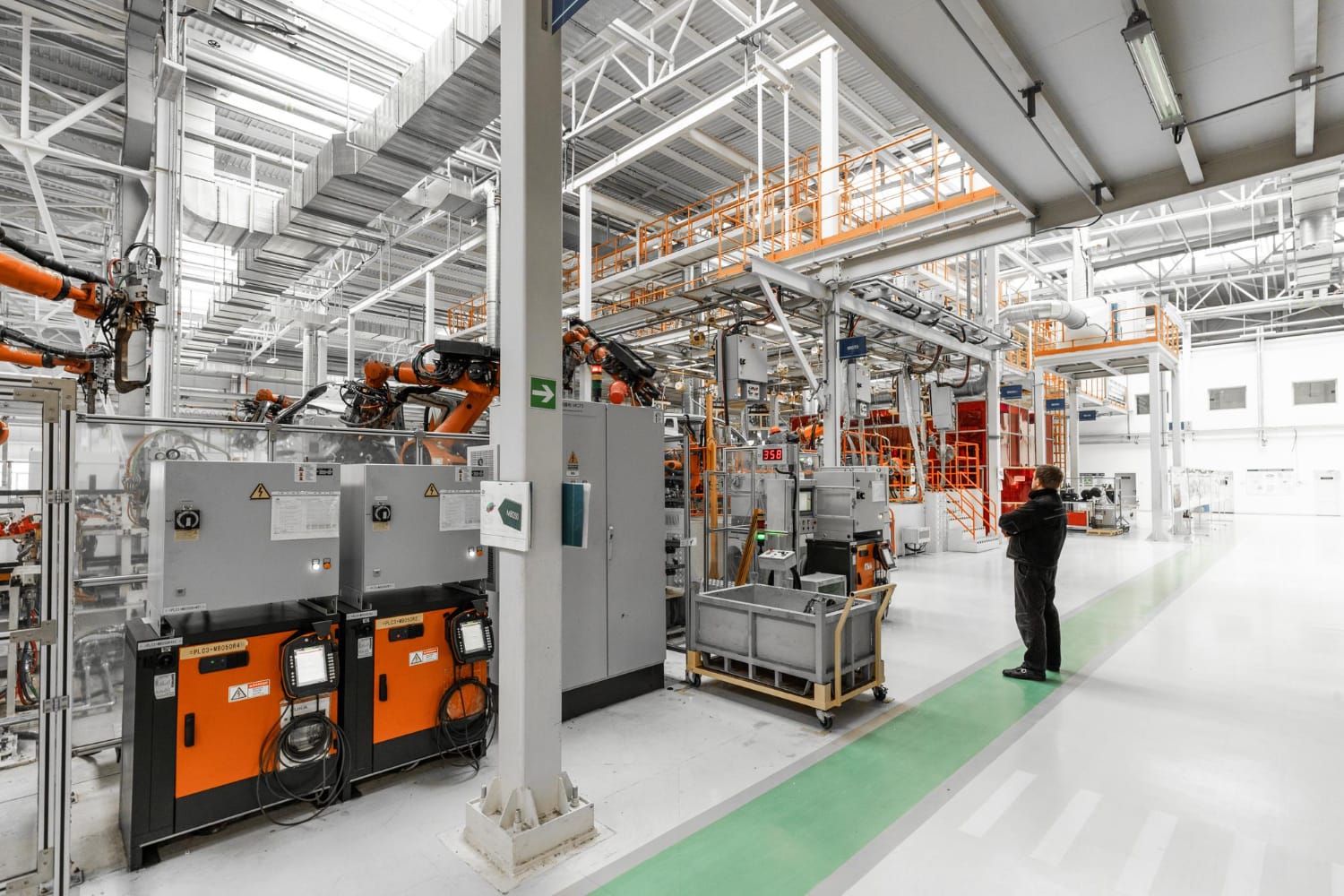
Your factories and complexes need uninterrupted power.
While operating environments differ, the physical mechanisms driving transformer failure remain the same.
Understanding context is the first step toward managing risk effectively.