


1. A Structural Shift in Systemic Risk
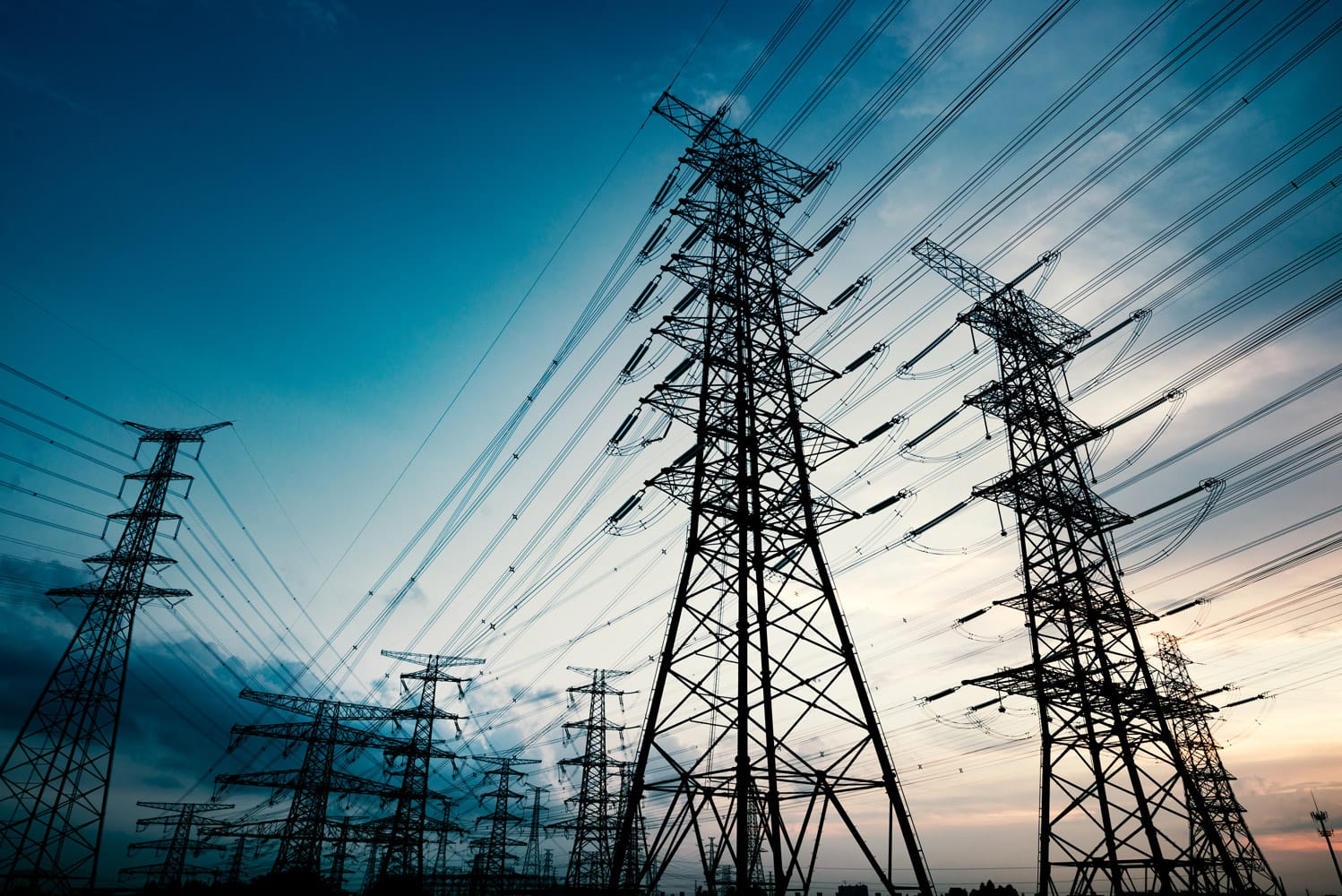
Electricity is becoming the foundational infrastructure supporting digital systems, financial systems, industry and public services. As economies become increasingly electrified and digitalized, systemic risk is no longer confined to financial or cyber domains. It is progressively anchored in physical infrastructure.
2. Increasing Dependency, Expanding Exposure
Electrification, combined with the rapid development of digital technologies and artificial intelligence, is increasing the exposure of critical systems. Advanced digital capabilities can accelerate decision-making, increase system complexity and amplify the scale and speed of potential disruptions. In highly interconnected systems, this evolution can contribute to more complex and potentially correlated risk scenarios.
3. Transformers as Systemic Assets
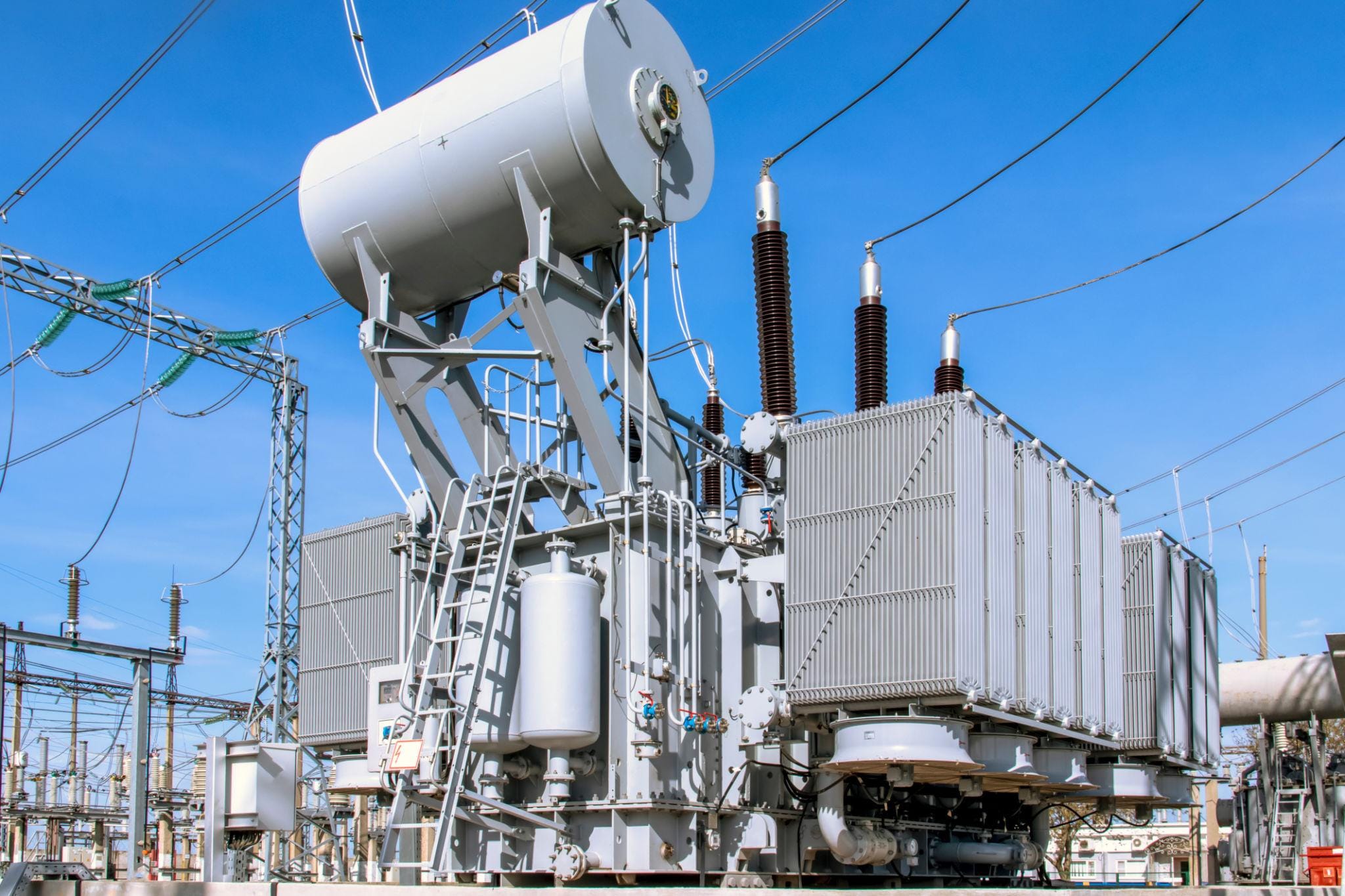
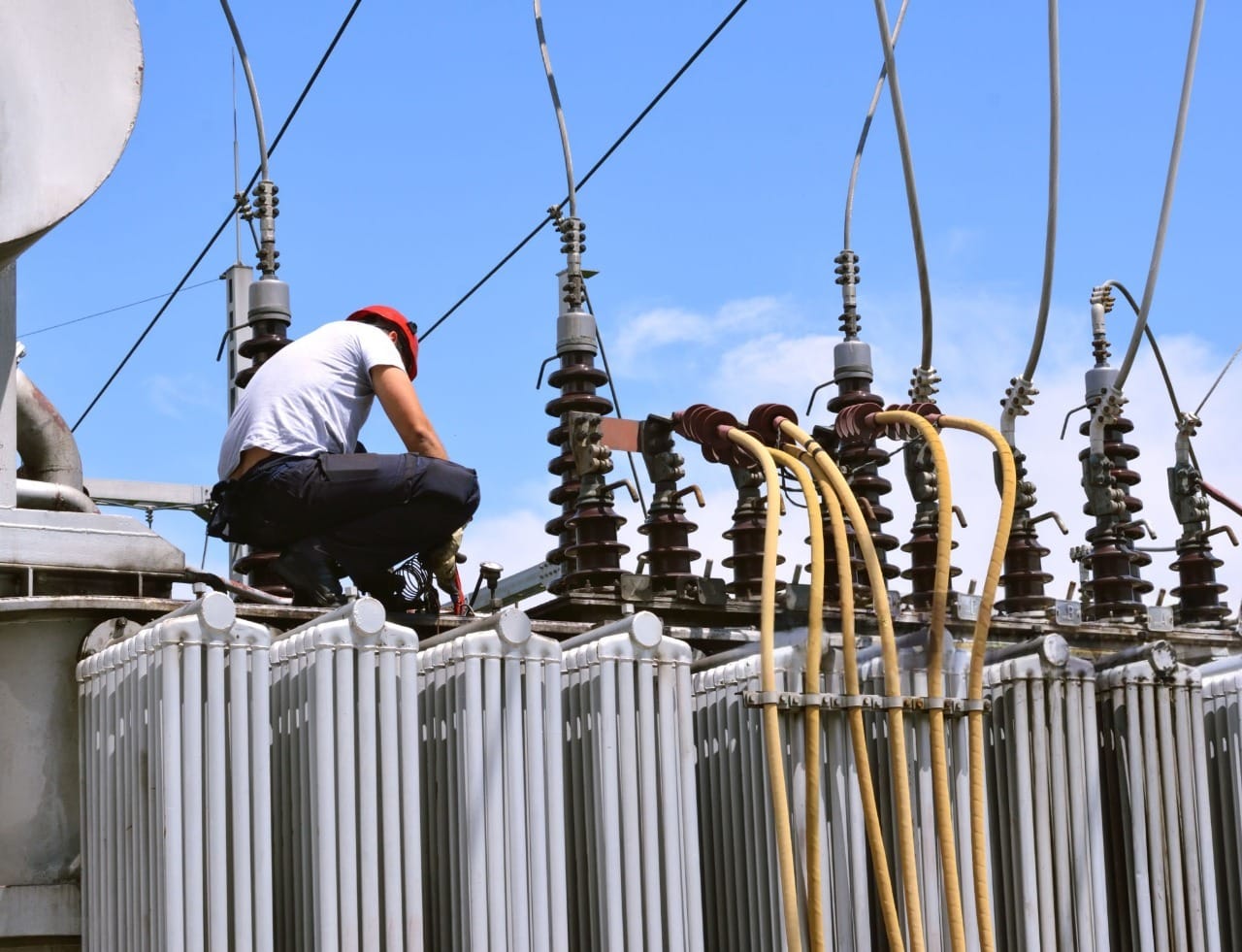
At the center of this exposure are large power transformers. They are critical to grid stability, complex and site-specific, difficult to replace quickly, and limited in industrial scalability. Their failure can generate cascading impacts across interconnected systems.
Operational Reality
- A transformer can be destroyed in milliseconds
- Protection systems react in tens of milliseconds
- Replacement requires months or years
This creates a structural mismatch between failure dynamics and recovery capacity.
4. From Operational Risk to Systemic Risk
Resilience frameworks traditionally focus on cyber threats, detection and recovery. However, these approaches primarily address events after they have been initiated. A critical dimension remains underrepresented: the control of physical escalation.
5. The Cyber–Physical Interface
In modern infrastructure, cyber and physical layers are increasingly interconnected. Cyber events can alter operating conditions, affect control systems and create abnormal stress on physical assets. They do not directly determine the damage, but can create the conditions under which physical failures occur.
6. A Physics-Driven Reality
When such conditions lead to internal faults, energy is released instantaneously, gas forms rapidly and pressure rises within the transformer. This sequence unfolds in milliseconds, before most protection systems can act. At this stage, the outcome is governed by physical processes, not digital control.
7. Irreversible Loss vs Recoverable Events
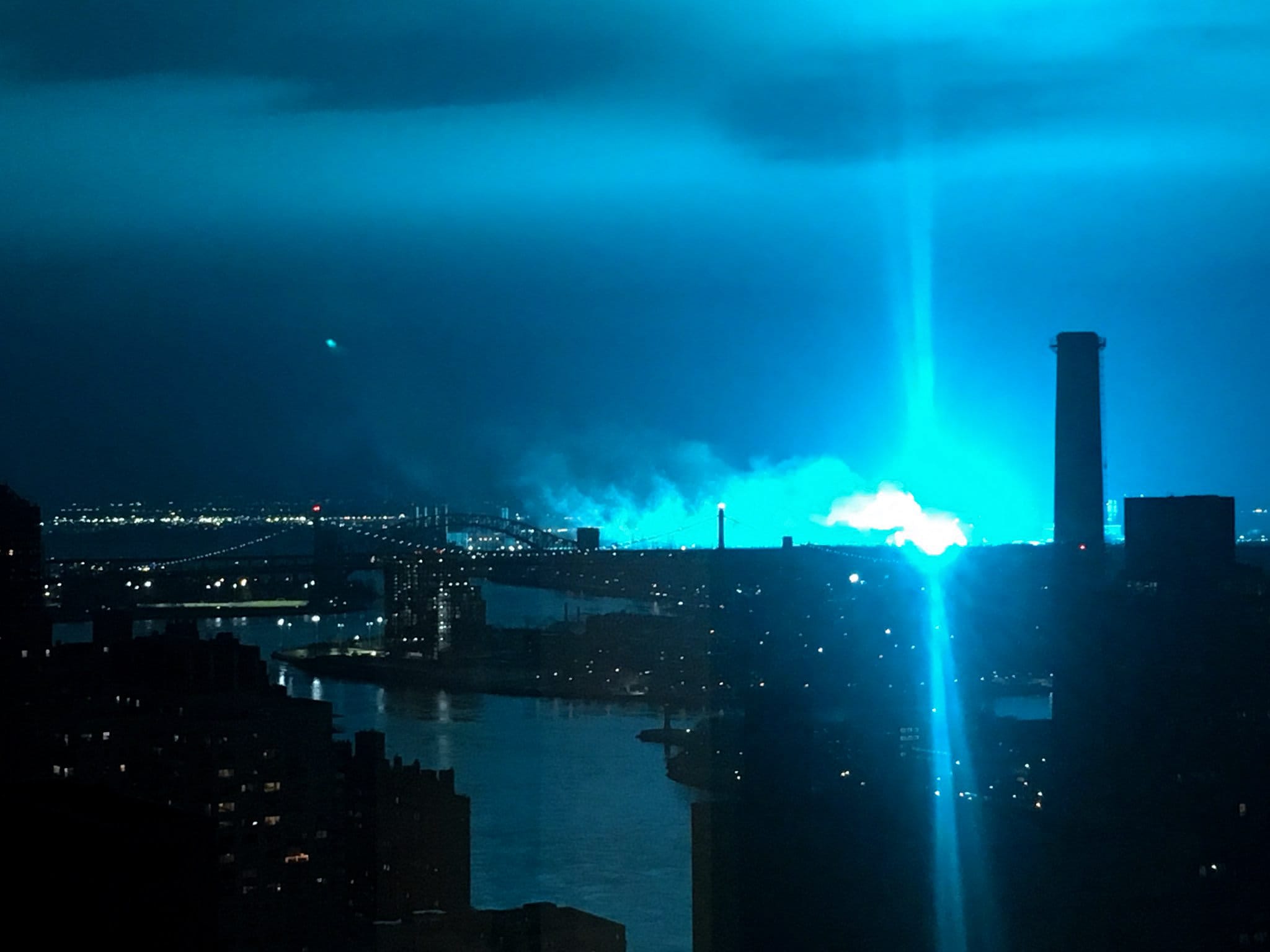
If physical escalation is not contained, transformer tanks can rupture, explosions and fires can occur, and the asset can be irreversibly lost. This is not a disruption. It is a destruction event.
8. Industrial Constraints and Amplification of Risk
The impact of such events is amplified by structural constraints: limited manufacturing capacity, globalized supply chains and long replacement timelines. In scenarios involving multiple or correlated failures, recovery cannot be scaled at the same speed as failure.
9. From Resilience to Sovereignty
In this context, resilience becomes a question of sovereignty. Energy sovereignty depends on the ability to maintain infrastructure, absorb shocks and prevent irreversible asset loss.
10. A Shift in Resilience Logic
For high-energy infrastructure, resilience must evolve from detection, response and recovery to anticipation, containment and control of physical escalation.
Conclusion
The energy transition is not only a transformation of production and consumption. It is a transformation of risk structures. As digital and physical systems become increasingly interdependent, cyber events may trigger critical conditions while physical processes determine the outcome. Resilience is now defined by the ability to prevent irreversible loss at the physical level.
Key Message
A transformer can be destroyed in milliseconds. It cannot be replaced in months. In this gap lies a structural vulnerability, amplified by the interaction between digital systems and physical infrastructure.