


When Protection Decisions Meet Field Reality
Protecting critical energy infrastructure is not only a matter of standards and simulations.
It is also about how protection solutions behave in real operating conditions, under real constraints, and how they are understood and accepted by operators responsible for continuity of service.
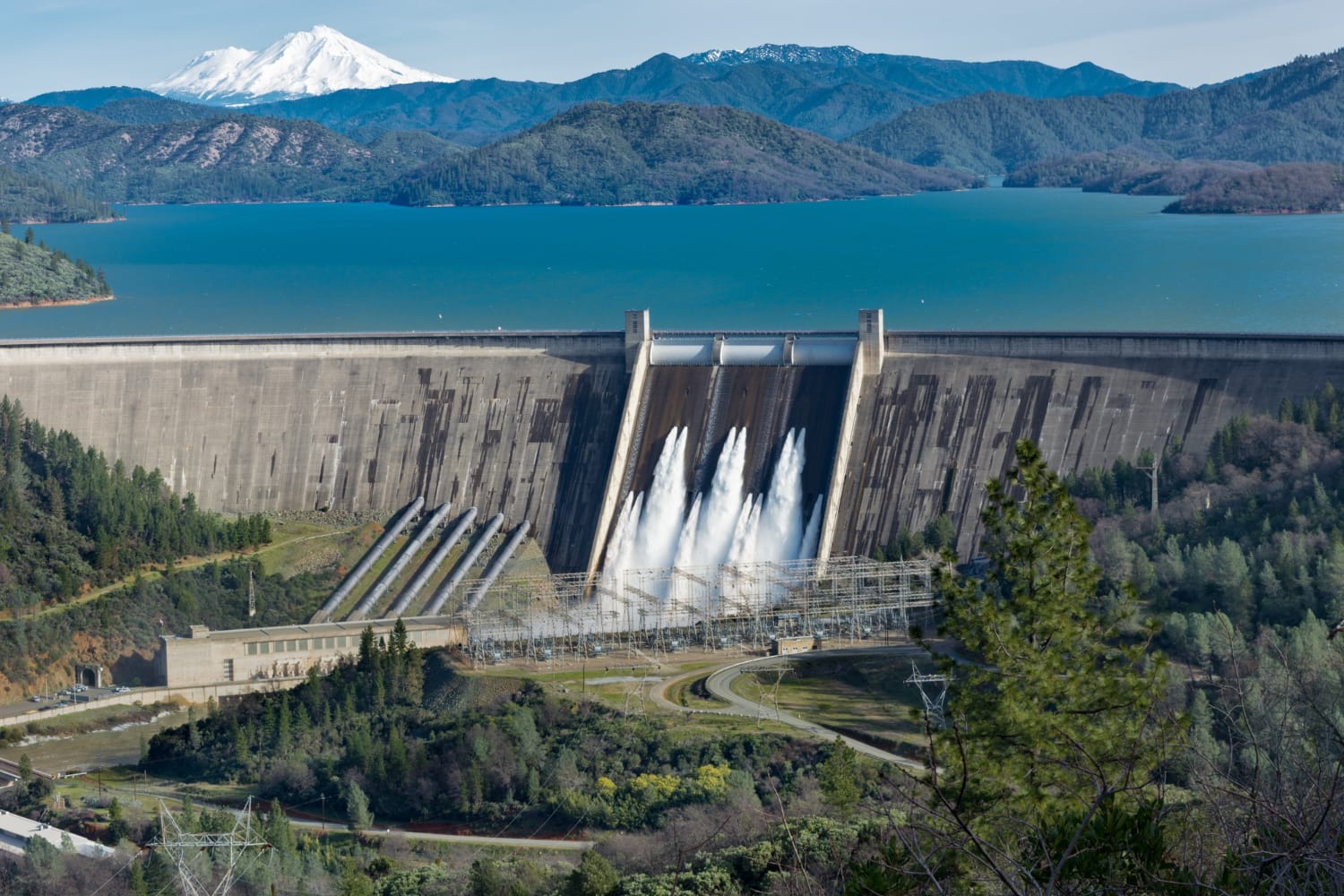
This insight captures operational feedback from a large hydropower facility, following the deployment of a mechanical transformer protection solution designed to address rare but high-impact internal fault scenarios.
Operational Context
The facility operates high-power oil-filled transformers supplying a major hydropower installation.
As with many hydroelectric sites:
- transformers are strategic single points of failure,
- replacement times are long,
- access conditions are constrained,
- and operational continuity is critical for both grid stability and safety.
The site faced the challenge of managing transformer internal fault risk in a way that could be:
- technically justified,
- operationally acceptable,
- and defensible toward internal governance and external stakeholders.
Why a Mechanical Protection Approach Was Selected
According to the engineering team involved in the decision:
- conventional protection systems primarily focus on detection and reaction,
- fire mitigation systems address consequences, not failure mechanisms,
- and electrical relays alone cannot act within the millisecond timescale of internal fault escalation.
The selected approach was based on mechanical action on the physical failure mechanism itself, aiming to limit pressure rise and prevent catastrophic tank rupture.
The decision was guided not by marketing claims, but by:
- alignment with physical failure mechanisms,
- documented engineering rationale,
- and the ability to integrate the solution into existing operational practices.
Feedback from Operations
From an operational perspective, the solution was perceived as:
- simple to understand,
- passive in operation,
- and independent from control logic or external power sources.
Operators highlighted that the system:
- did not introduce additional operational complexity,
- did not interfere with normal transformer operation,
- and was clearly positioned as a last-line mechanical safeguard, not a replacement for existing protection layers.
This clarity of role was a key factor in internal acceptance.
Governance and Decision-Making Perspective
Beyond technical considerations, the deployment was also evaluated through a governance lens.
Key elements that supported the decision included:
- documented engineering assumptions and limitations,
- clear distinction between prevention, mitigation, and consequence control,
- and the ability to explain the protection concept in a transparent and defensible manner.
For decision-makers, the solution contributed to reducing unquantified residual risk rather than claiming absolute protection.
Why Operational Feedback Matters
While laboratory testing and simulations are essential, field feedback provides a different type of confidence:
- confirmation that the solution fits real operational environments,
- validation of usability and integration,
- and reassurance that protection strategies remain aligned with how assets are actually operated.
This feedback does not replace testing or standards — it complements them.
What This Insight Demonstrates
This operational feedback illustrates that:
- effective transformer protection is not only about technology,
- but about engineering judgement applied in context,
- and about solutions that can be explained, justified, and accepted by those responsible for critical infrastructure.
It reinforces the importance of grounding protection decisions in physical reality, operational constraints, and governance requirements.
Discuss Your Protection Decision
Every site is different.
Transformer design, voltage levels, oil volume, layout, and operational constraints all influence the appropriate protection strategy.
SERGI supports infrastructure operators in assessing:
- what can be prevented,
- what can only be mitigated,
- and how protection decisions can be made technically and institutionally defensible.
→ Talk to an Engineering Expert
Editorial note
This insight is based on real operational feedback.
Specific site and operator details have been anonymized to respect confidentiality and focus on engineering principles rather than attribution.