


Article by Antoine Magnier
President & CEO, SERGI
In today’s power systems, one message is clear: resilience can no longer be reduced to absorbing a shock and replacing damaged equipment. In a system under pressure, this approach is no longer sufficient.
CIGRE defines resilience as the ability to limit the extent and severity of degradation caused by an extreme event, while ensuring the timely restoration of acceptable operating conditions. For critical transformers, this shifts the paradigm. Resilience must now include asset preservation, recoverability after a severe event, and whenever possible the control of remaining useful life.
This reasoning is consistent with the technical scope of CIGRE A2, which covers the entire lifecycle of transformers and reactors: maintenance, condition monitoring, diagnostics, restoration, repair, uprating, refurbishment, determination of remaining life, and decisions to repair or scrap. IEEE follows the same approach, with dedicated guides on condition assessment, evaluation and reconditioning, as well as installation and maintenance. The challenge is therefore not simply to protect equipment, but to manage a strategic asset across its full lifecycle.
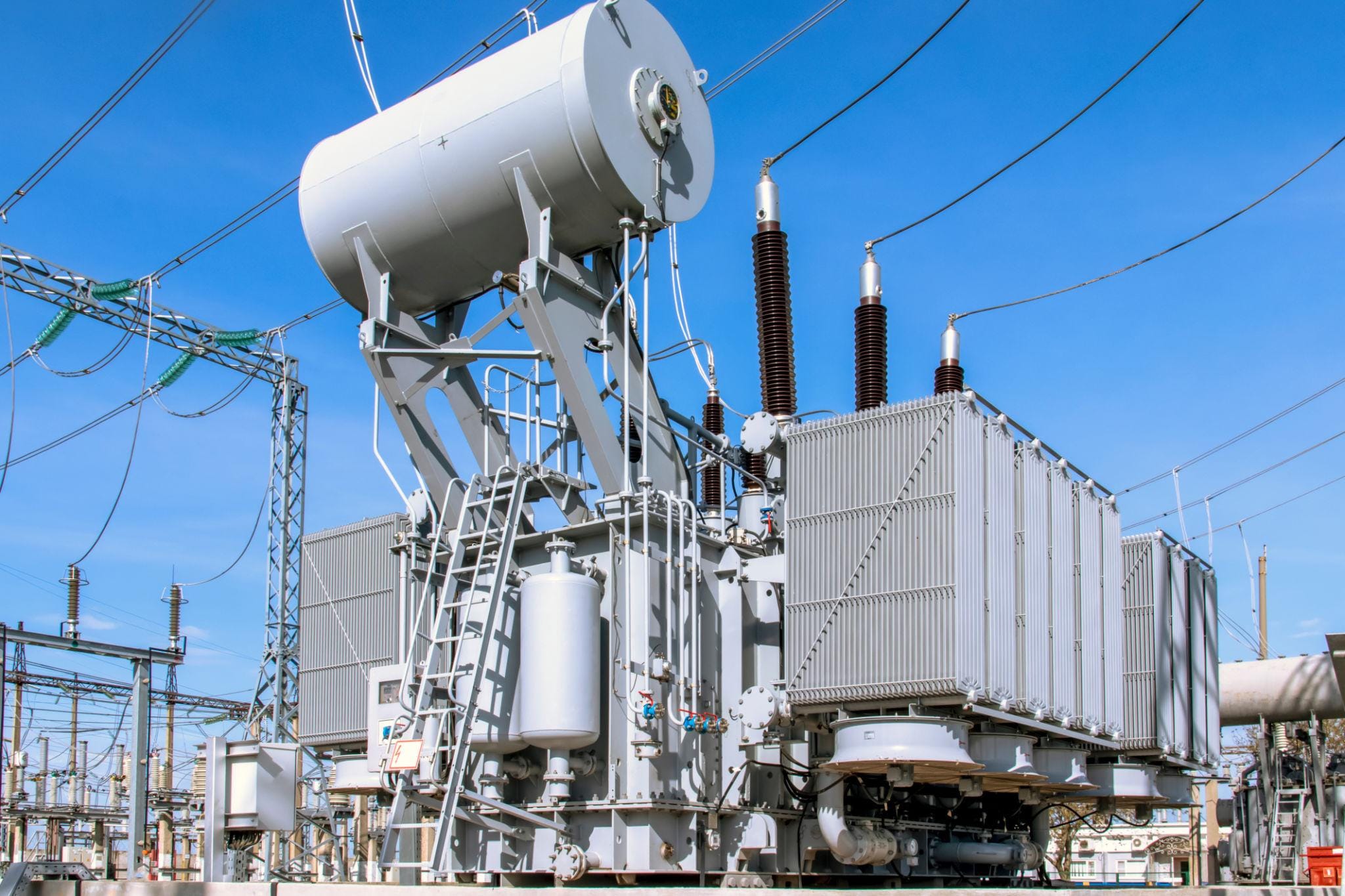
This issue becomes particularly acute as industrial constraints intensify. According to the International Energy Agency (IEA), lead times for large power transformers now reach up to four years roughly double those observed in 2021 while prices have risen by approximately 75% since 2019. The U.S. Department of Energy (DOE) further emphasizes that these assets are highly specialized and often customized, with lead times exceeding 36 months in some cases.
The aggravating factor is not only industrial but also asset-related. CIGRE notes that transformers often have lifespans exceeding 40 years and that poor lifecycle management decisions can have long-lasting consequences. Its global reliability analysis further shows that while the probability of major failure increases only slowly with age, units ultimately scrapped after failure exhibit a much stronger age dependency. The right framing is therefore not “the fleet is old,” but rather that an increasing share of the fleet is entering more demanding trade-offs between maintaining condition, refurbishment, life extension, or replacement.
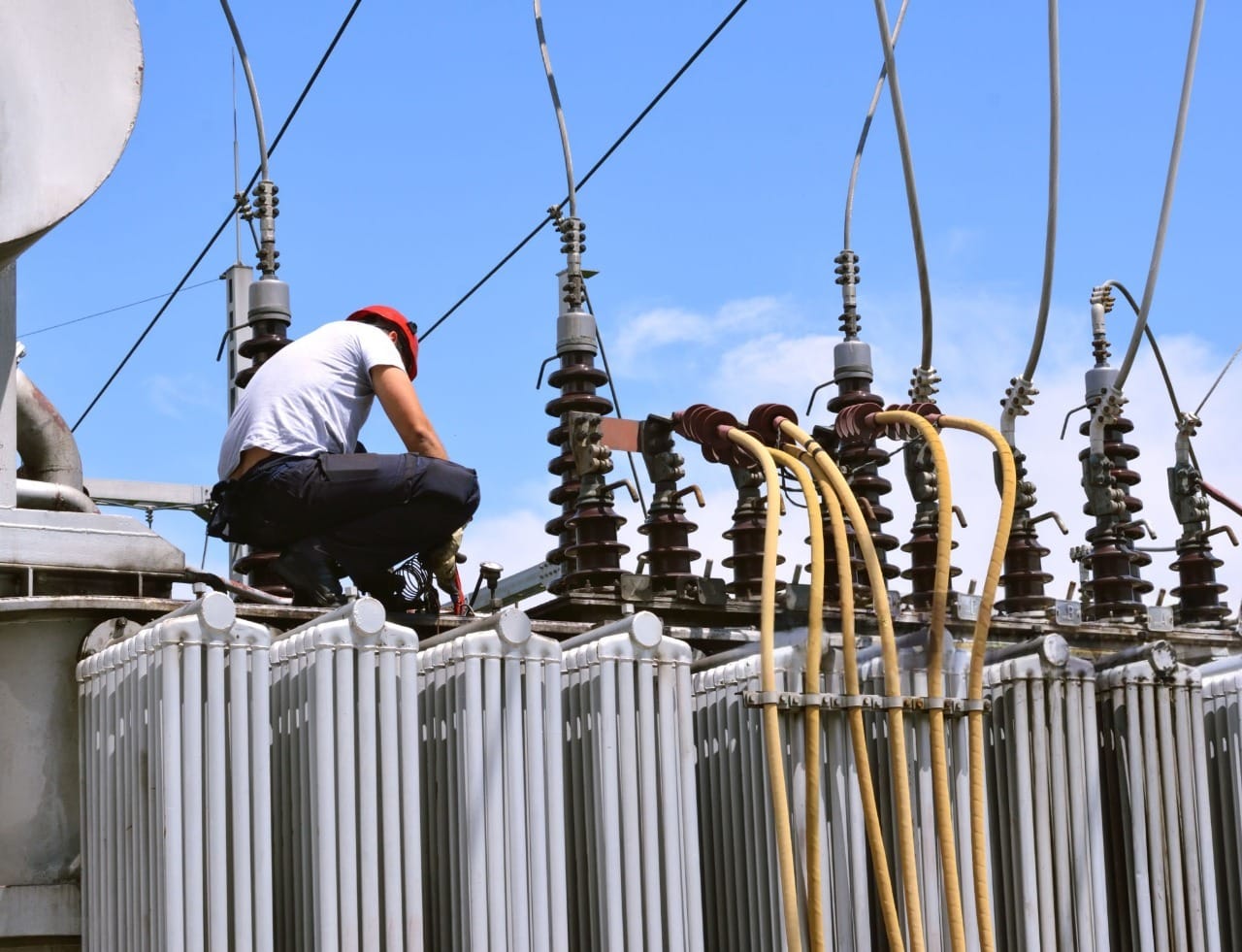
Added to this is a growing strain on skills. The IEA highlights a demographic imbalance in advanced economies, with more retirements than new entrants in grid-related professions. In the transformer domain, resilience also depends on the availability of rare expertise: diagnostics, test interpretation, refurbishment decisions, event management, and on-site or workshop repair. In a world where replacement assets are scarce, recovery expertise itself becomes a critical resource.
The CIGRE Paris 2026 technical program confirms that this perspective is not marginal but central to the industry agenda. It includes work on standardization to reduce lead times and labor constraints, transformer life extension, resilience to physical attacks, and the performance of pressure relief devices under internal fault conditions. This is a key point: asset preservation is not a commercial narrative—it is already a core technical priority.
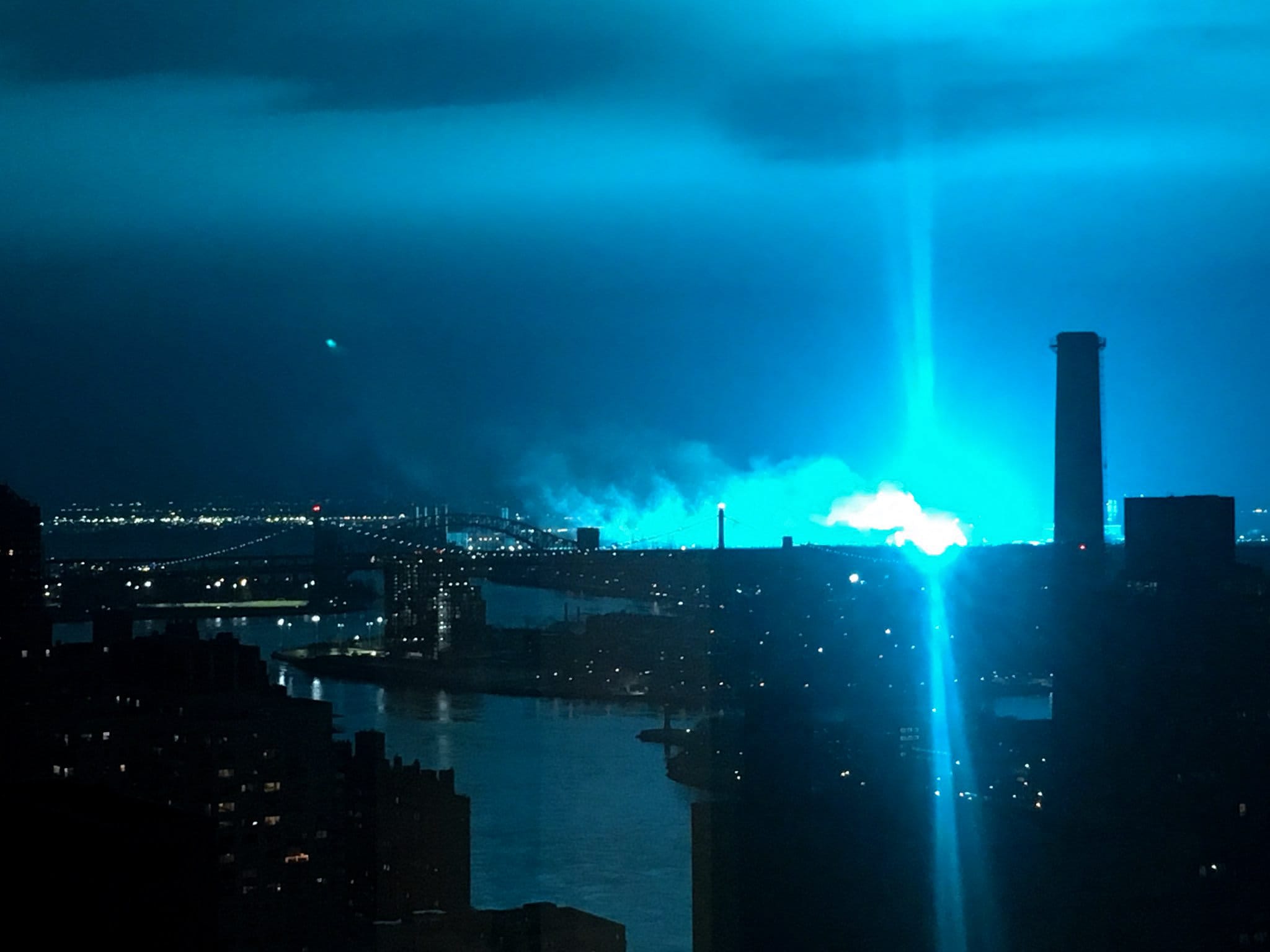
Operational technology (OT) cybersecurity must also be part of the equation, as it can directly affect physical processes and lead to material damage. However, within a rigorous CIGRE and IEEE framework, cyber risk should be understood as one pathway among others leading to physical failure—not the sole lens of analysis. The fundamental objective remains unchanged: to prevent any severe event, regardless of origin, from resulting in irreversible asset loss.
The strategic implication is clear. For the most critical transformers, resilience must now explicitly include asset preservation and recoverability. This does not replace existing approaches such as protection systems, monitoring, cybersecurity, or fleet management but complements them. The key metric is no longer just the ability to limit immediate damage, but the ability to maintain the asset in a condition that allows inspection, isolation, diagnosis, and when justified repair or reconditioning within a timeframe that remains operationally relevant.
In a world of extended lead times, constrained fleets, and scarce expertise, transformer resilience must also be measured by the ability to preserve the asset and keep recovery a viable option.
About SERGI
Founded in 1952, SERGI is a French engineering group specialised in the protection of critical energy infrastructure. The company supports operators, industrial players, insurers and public authorities when high-impact risks can no longer be addressed through standard approaches. SERGI develops engineering responses tailored to the asset, the site and the criticality profile, with a particular focus on the physical resilience of strategic transformers.